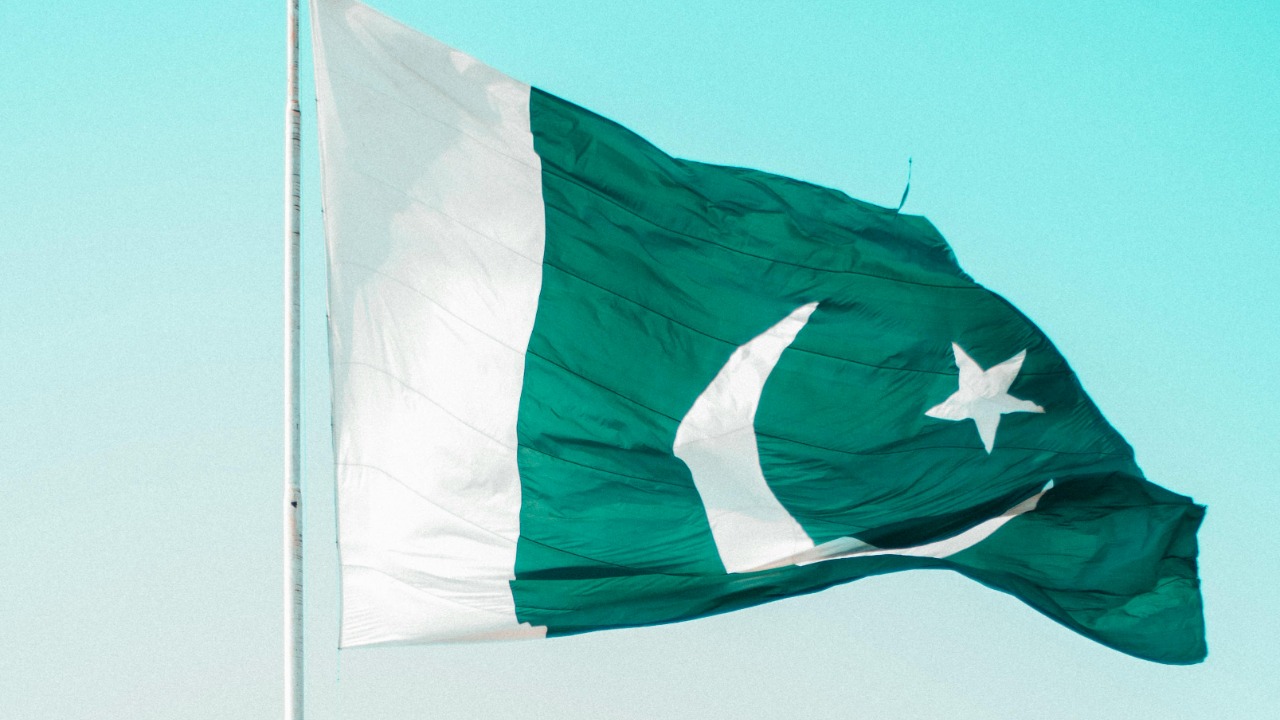
Coordinated suicide bombings and gun assaults hit multiple districts across Pakistan’s Balochistan province on Jan. 31, killing dozens of civilians and security personnel in one of the most sweeping militant operations the province has seen in years. What followed was a fast-moving military crackdown, sharply rising official casualty claims for the attackers, and a political response in Islamabad that framed the violence as a national-security emergency without formally declaring a state of emergency.
The attacks stretched from Quetta to the Makran coast, hitting security installations, civilian sites, and transport links across a province that has long sat at the center of Pakistan’s insurgency problem. By the time Pakistan’s parliament, the United Nations Security Council, and the U.S. government had all responded, the story had become bigger than a single day of bloodshed. It had become a test of whether the Pakistani state could convincingly show control in a region where official claims and on-the-ground reality often diverge.

A Province Hit on Multiple Fronts
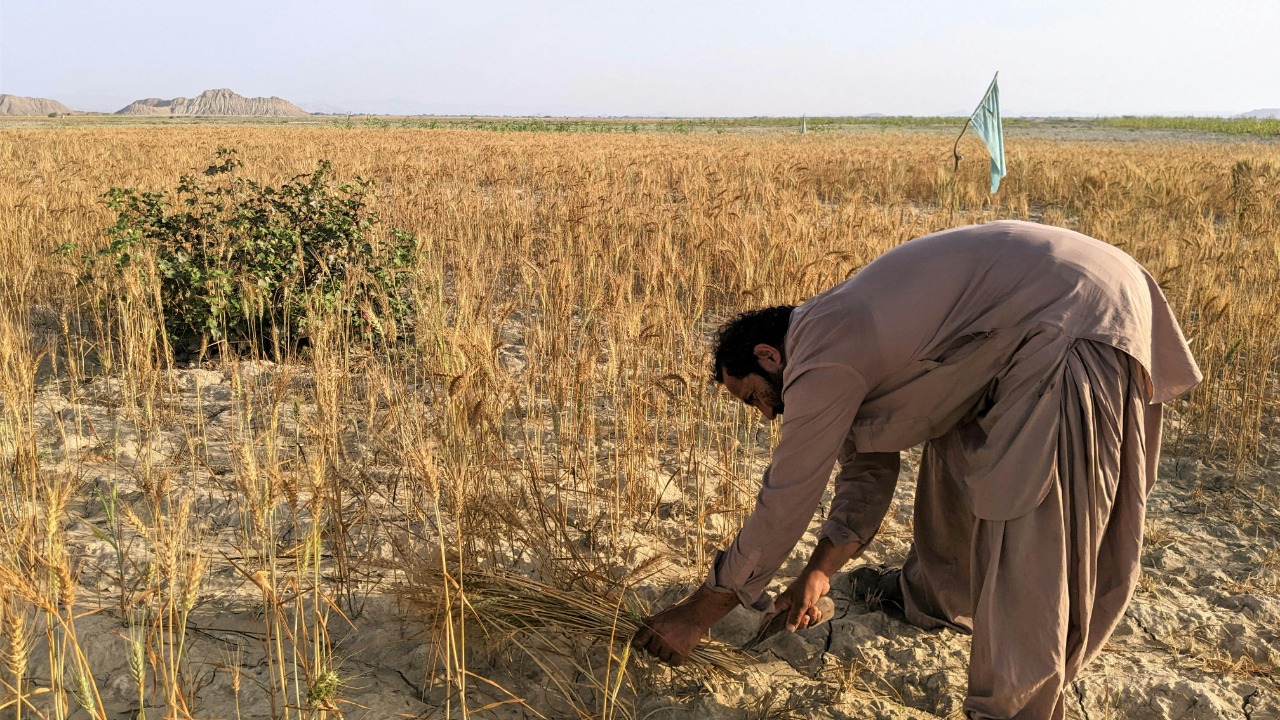
Initial reporting from The Associated Press and Reuters described a synchronized assault spanning several districts, including Quetta, Mastung, Nushki, Dalbandin, Kharan, Panjgur, Tump, Gwadar, and Pasni. Pakistani officials said the attacks killed 18 civilians and 15 security personnel in the opening phase, while security forces reported killing 92 assailants the same day. That geographic spread mattered as much as the death toll. Balochistan is Pakistan’s largest province by land area, and attacks unfolding across such a wide arc signaled planning, coordination, and the ability to stress security forces in multiple places at once. Targets reportedly included police stations, paramilitary sites, a prison, roads, and civilian areas. In Gwadar, militants attacked a camp housing workers, an especially sensitive strike in a port city that sits at the heart of Pakistan’s strategic and economic ambitions. The banned Baloch Liberation Army claimed responsibility, underscoring how the insurgency in Balochistan has evolved from sporadic ambushes into more complex operations designed to show reach, embarrass the state, and disrupt infrastructure. Even in a province accustomed to violence, the breadth of the Jan. 31 attacks stood out.
The Numbers Climbed, but So Did the Questions
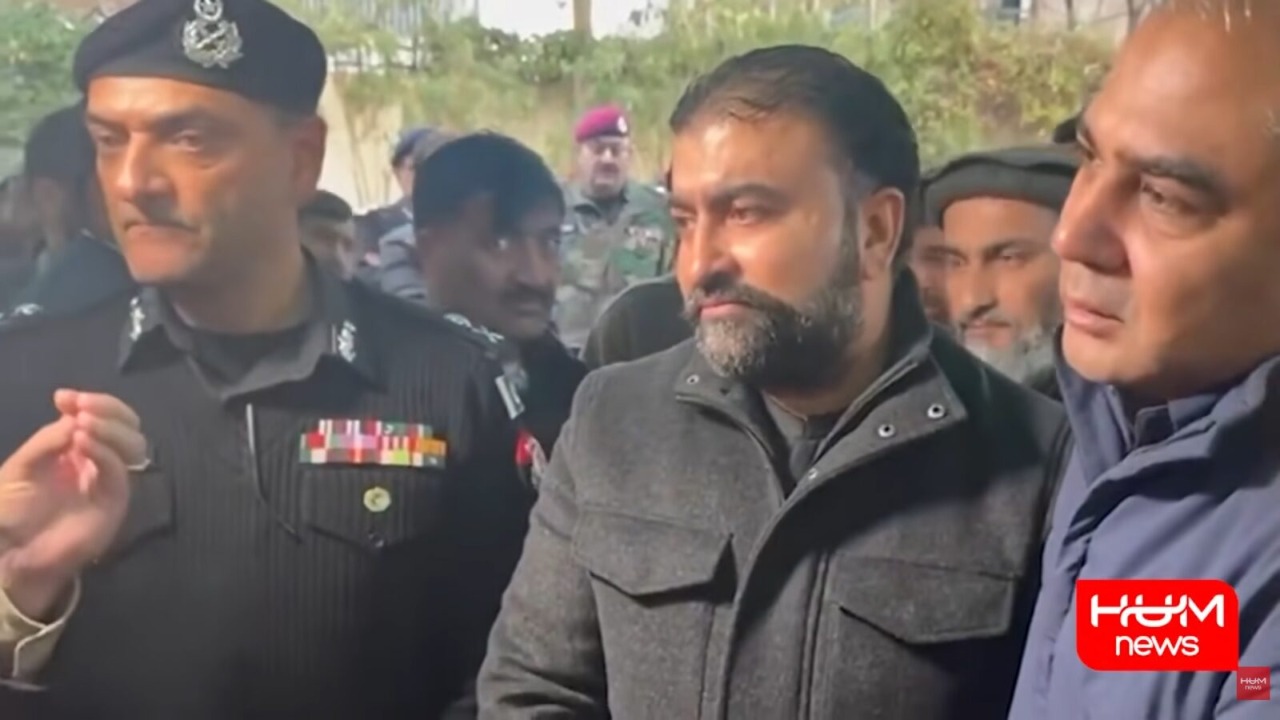
As the counter-operation expanded, the official numbers changed quickly. By Feb. 1, Balochistan Chief Minister Sarfraz Bugti said security forces had killed 145 militants in about 40 hours, while the death toll among civilians and security personnel had risen to nearly 50, according to Reuters and coverage summarized by Al Jazeera. The U.N. Security Council later cited 48 Pakistani nationals killed, including 31 civilians.
Those figures are important because they show why the original framing of “more than 120 people killed” needs caution. That larger total came only when official militant death claims were added to the civilian and security toll. In plain terms, dozens of Pakistanis were killed in the attacks themselves, while the triple-digit total depended on government counts of militants killed during the response.
That distinction is not minor. It changes how readers understand the scale of the initial attack versus the scale of the subsequent crackdown. It also matters because independent verification has been limited. Pakistani authorities later pushed militant death claims even higher, but outside observers have had little ability to confirm them in real time. For a syndication audience, the cleaner and more defensible approach is to separate confirmed victim counts from official claims about attackers killed later.
What Parliament Actually Did
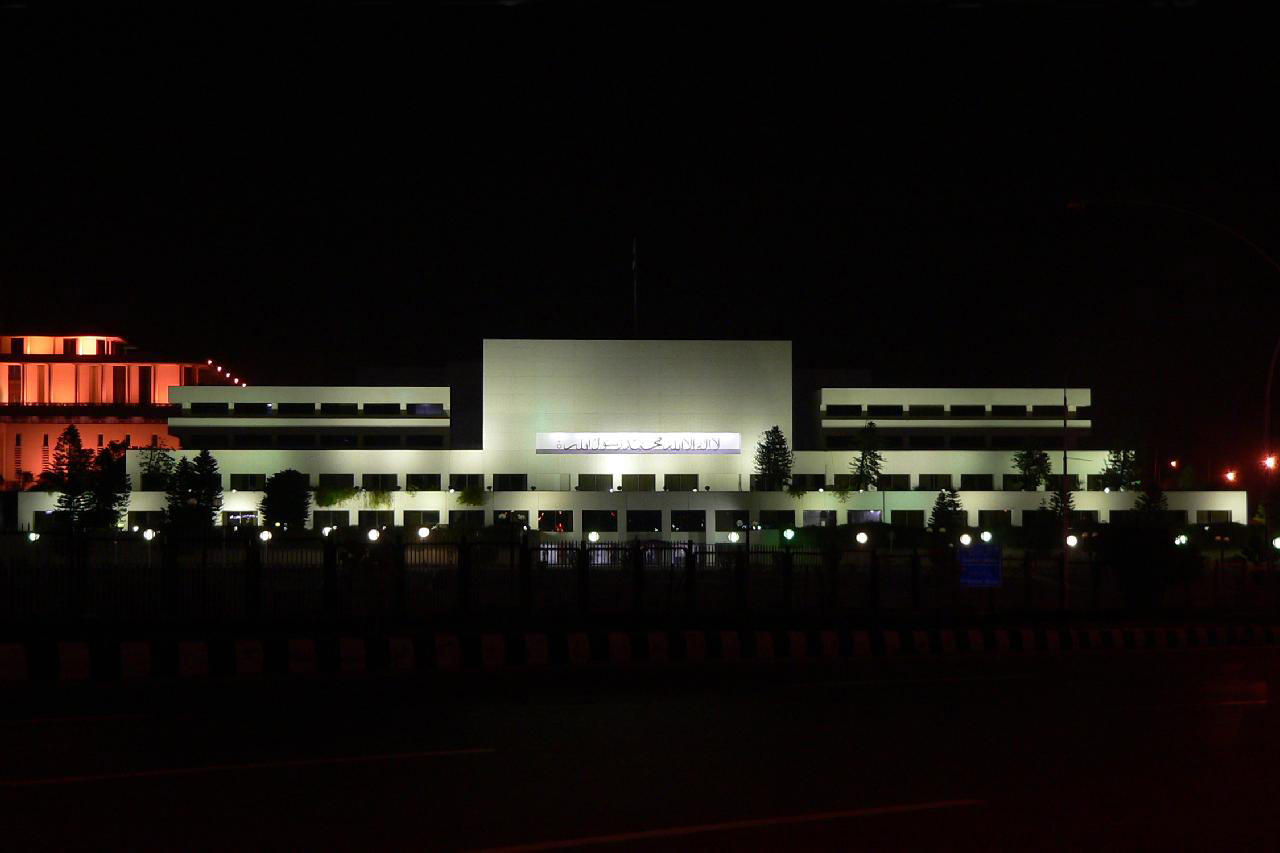
Islamabad’s political response was swift and forceful. The Senate condemned the attacks, and the National Assembly followed with a resolution demanding what it called an immediate, coordinated, and effective national response on an “emergency basis,” according to Pakistan’s state broadcaster Radio Pakistan and the National Assembly’s resolutions page. But that is not the same thing as Pakistan declaring a formal state of emergency. There was no executive proclamation, no constitutional emergency order, and no reporting showing the suspension of normal civil authority at the national level. The language used by lawmakers reflected urgency and political consensus, not a legal emergency in the strict sense. That difference matters for headline accuracy. Readers clicking on a story that says Pakistan “declares emergency” would reasonably expect evidence of a formal emergency declaration. The available reporting does not support that. What it does support is that Pakistan’s parliament used emergency language to push for a stronger national response.
The U.N. and Washington Both Took Notice
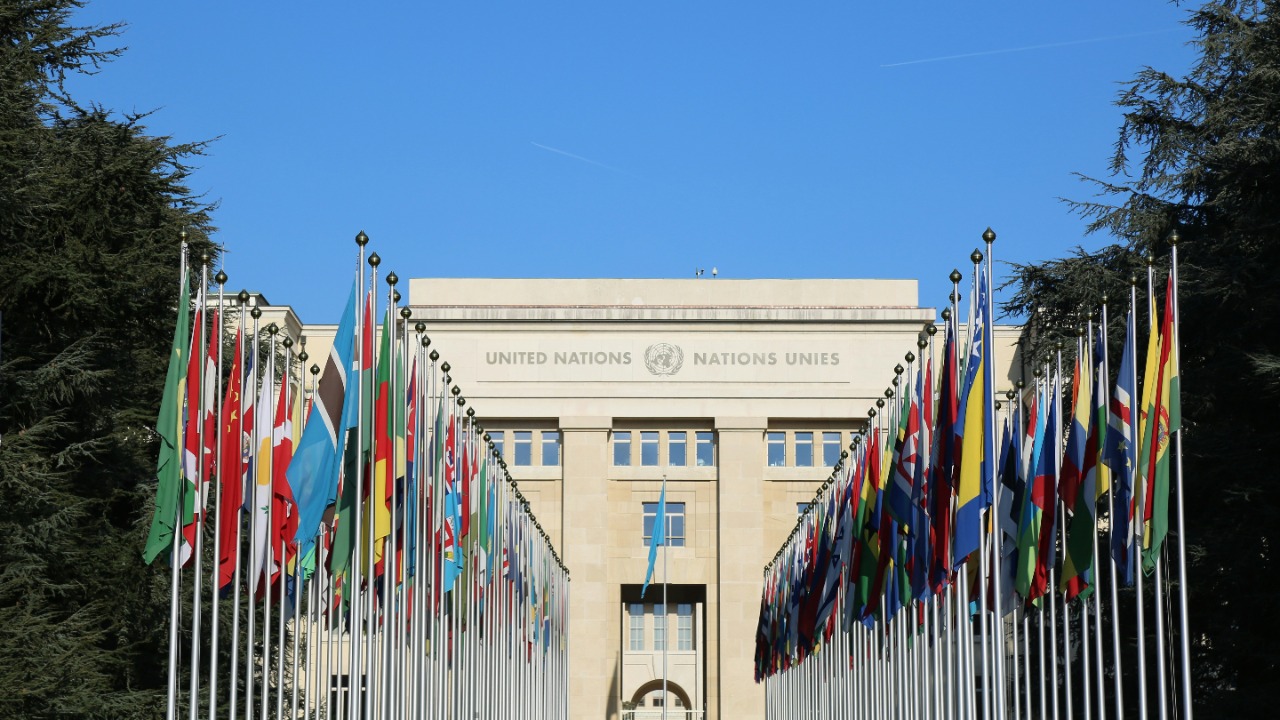
The international response was unusually fast. In a formal press statement, the U.N. Security Council condemned the attacks “in the strongest terms,” offered condolences to the victims and their families, and reaffirmed that terrorism remains one of the most serious threats to international peace and security. That statement gave the incident weight beyond Pakistan’s domestic politics. Balochistan is not just another restive province. It borders Afghanistan and Iran, includes the port of Gwadar, and sits along routes central to both Pakistani security calculations and Chinese investment plans. A major coordinated assault there inevitably draws wider attention. The U.S. response also sharpened. On March 3, the U.S. Department of State updated its Pakistan advisory and ordered non-emergency U.S. government employees and eligible family members at the consulates in Lahore and Karachi to leave the country. The advisory kept Pakistan at Level 3, “Reconsider travel,” and maintained a Level 4 “Do Not Travel” warning for Balochistan because of terrorism and kidnapping. That is a meaningful escalation in posture, but here too precision matters. Washington did not evacuate all U.S. personnel from Pakistan, and there was no full shutdown of Embassy Islamabad. The move signaled serious concern about the security environment, not a complete diplomatic withdrawal.
A Turning Point or Another Cycle?
The Jan. 31 attacks exposed both the reach of the insurgency and the limits of state messaging in Balochistan. Pakistan moved quickly, lawmakers projected unity, and security forces claimed a punishing response. Yet the gaps between initial reporting, later official counts, and independently confirmed facts remain difficult to ignore. For residents of Balochistan, the immediate consequences were simpler and harsher: loss of life, fear of further attacks, communications disruptions, and another reminder that ordinary civilians often absorb the worst shock from a conflict shaped far above their heads. For Pakistan’s leadership, the question now is whether emergency rhetoric produces better security or simply another round of force without lasting political change. What is clear is that the attacks were large, coordinated, and nationally significant. What is less clear, even weeks later, is whether the state’s response has restored confidence or merely raised the stakes in a conflict that remains far from resolved.