

Senate negotiations over Department of Homeland Security funding finally produced something Washington had been missing for days: a recognizable opening. It was not a full deal, and it was not a sweeping rewrite of federal immigration enforcement. But after days of stalemate, senators from both parties backed a path that separated the broader spending fight from the more combustible argument over ICE tactics, giving Congress extra time to negotiate changes that had previously seemed stuck in pure political theater.
That shift mattered because the impasse had stopped being abstract. Democrats were threatening to block long-term DHS funding unless lawmakers agreed to new limits on how immigration agents operate in neighborhoods, homes and public spaces. Republicans, meanwhile, were warning that any delay in funding homeland security functions would amount to reckless brinkmanship.
By the end of January, the Senate had settled on a temporary workaround: fund most of the government through the end of September, carve DHS out of the package and give negotiators two more weeks to keep arguing over immigration enforcement rules.
A bipartisan agreement to avert an immediate shutdown threat did not resolve the underlying fight. What it did do was acknowledge that the dispute over federal immigration raids had grown large enough that it could no longer be buried inside a routine spending package.
A funding fight turned into a policy fight
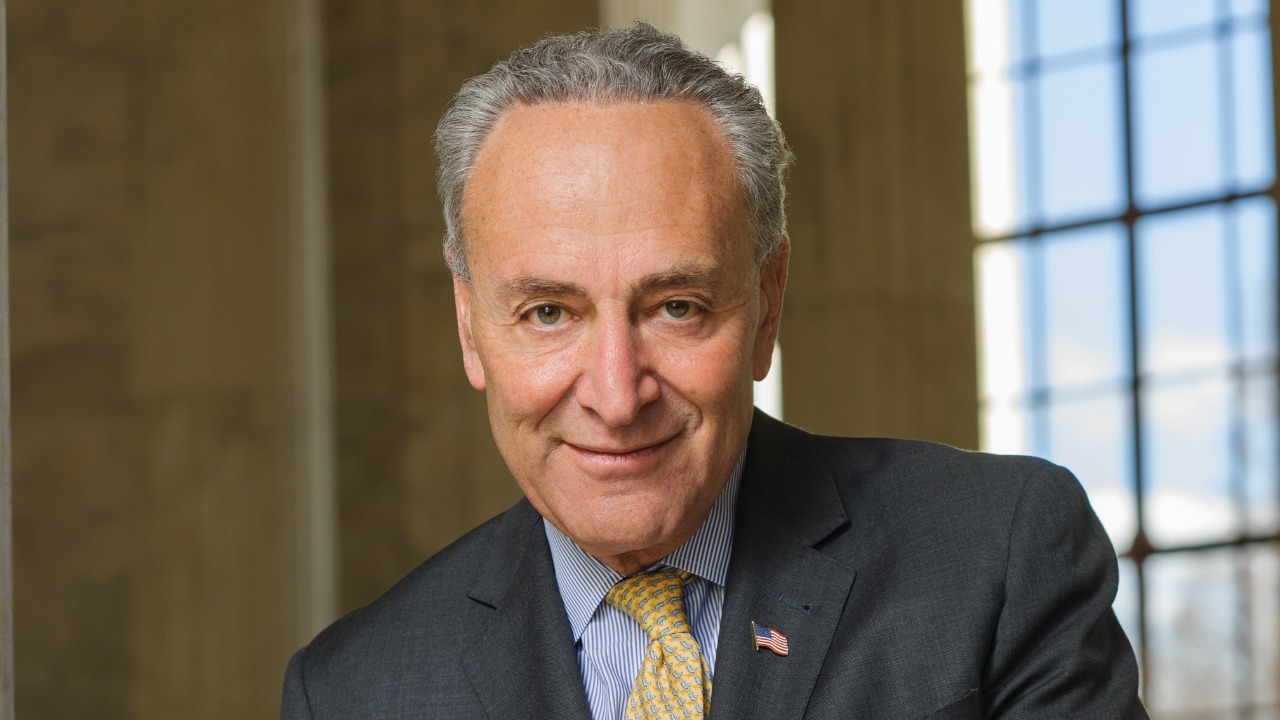
The heart of the standoff was simple. Senate Democrats, led by Chuck Schumer, said they would not support a full-year DHS funding extension unless Congress also debated new restrictions on federal immigration operations.
Schumer called for immigration agents to stop wearing face coverings during operations, use body cameras, comply with tighter warrant rules and follow use-of-force standards closer to those expected of local police.
That package landed differently from a typical messaging document because it was tied directly to leverage. Democrats were not just criticizing the administration’s enforcement posture. They were using a must-pass funding deadline to force a debate over how ICE and other DHS officers are identified, how they enter homes and how incidents involving force are investigated.
Republicans did not suddenly embrace that agenda. But the Senate’s decision to strip DHS out of the larger spending package and keep talks alive was, in itself, a concession that some version of this argument had to be addressed.
The clearest bipartisan signal was not ideological agreement. It was the willingness to keep the agency on a short leash while negotiators worked through the terms.
The warrant issue is where the debate gets real
The most consequential part of the Democratic push involves warrants. For years, immigrant-rights groups, defense lawyers and local officials have stressed a basic distinction: a judge-signed warrant carries independent judicial approval, while an administrative immigration warrant is generated within the federal enforcement system itself.
That difference moved from legal theory to front-page politics after reporting revealed that an internal ICE memo authorized officers to use force to enter a residence based only on an administrative warrant for someone with a final order of removal.
It also helps explain why Democrats were no longer satisfied with broad promises about professionalism or internal oversight. If immigration officers were being instructed that they could force entry into homes without a judge’s warrant, lawmakers had a concrete example of why statutory limits mattered.
The argument was no longer about optics alone. It was about whether Congress would permit federal immigration operations to rely on a lower level of outside review in some of the most invasive encounters the government can have with residents.
Republicans and the administration have argued that tougher warrant requirements could slow arrests and make it harder to execute removal orders. That remains the central obstacle to any final bargain.
Still, once the warrant issue was separated out for negotiation instead of being swallowed by a funding vote, the possibility of a narrower compromise became easier to imagine. Congress has a long history of reaching partial agreements by pairing enforcement authority with at least some transparency requirements, reporting rules or operational limits.
There are signs the politics are shifting
Another reason the story supports an “opening” framing is that pressure was no longer coming only from one side. Even as Republican leaders rejected much of the Democratic language, some GOP lawmakers were signaling discomfort with the political fallout from recent operations.
The Senate vote to allow more time for debate over restrictions on federal immigration raids reflected that bipartisan calculation. There was also evidence that not every Republican wanted to defend every tactic on the ground.
In Maine, Sen. Susan Collins said ICE had ended its enhanced operations after her direct conversations with Homeland Security Secretary Kristi Noem, showing that concerns about scale, optics and local backlash were not confined to Democrats.
On the other side of the equation, Republicans still entered the talks determined to preserve operational flexibility and defend the broader immigration crackdown.
A more plausible outcome was a smaller package built around measures that are easier to sell politically, such as visible identification, clearer use-of-force rules, more access to footage or incident records and some form of body-camera expansion, while leaving the toughest warrant questions only partly resolved.
A narrow opening is still an opening
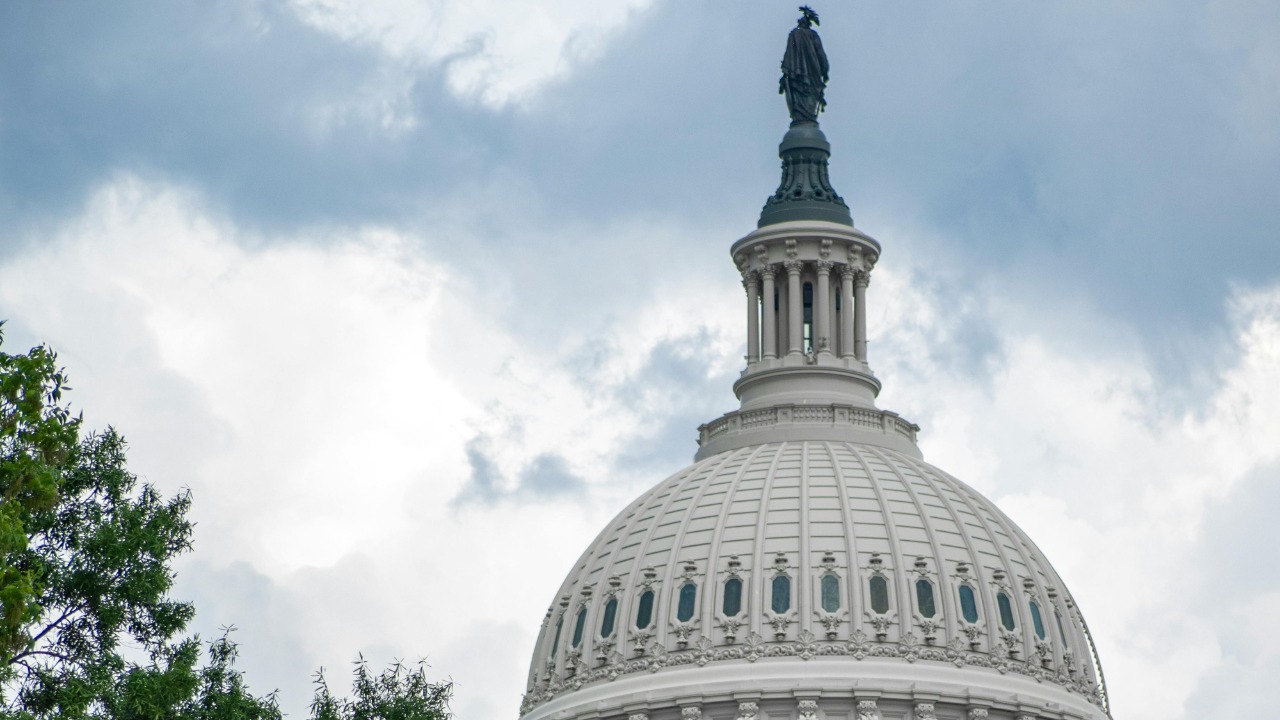
For readers, the important distinction is between a breakthrough in process and a breakthrough in substance. Congress had not reached a finished enforcement reform deal. It had, however, moved beyond rhetorical trench warfare.
Senators created a separate negotiating lane for DHS, acknowledged that immigration enforcement tactics could no longer be treated as routine appropriations language and signaled that at least some reforms had to be seriously debated before long-term funding could move.
In a Congress that often confuses delay with strategy, even that kind of limited recognition can count as a meaningful opening.