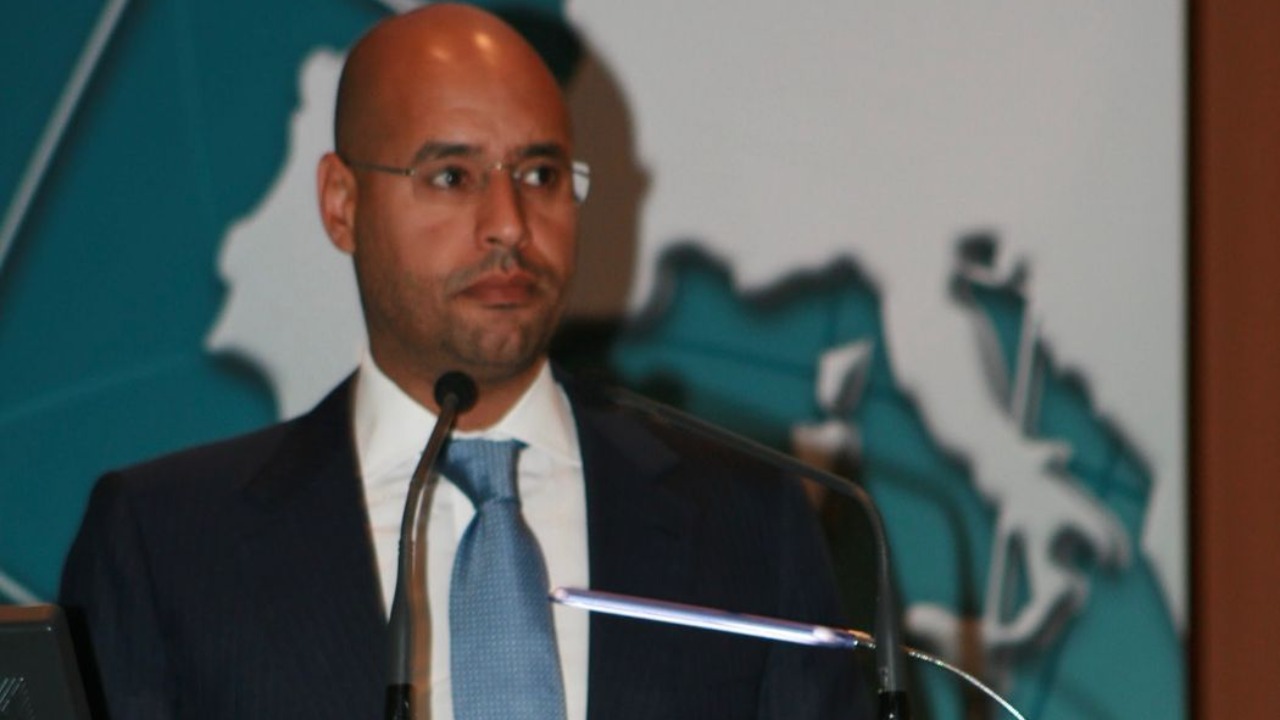
Saif al-Islam Gaddafi, the son of late Libyan ruler Muammar Gaddafi and for years one of the most controversial names in the country’s post-revolution politics, was killed in western Libya in an attack that immediately deepened questions about security, accountability, and the future of an already fractured state. The killing took place in the mountain town of Zintan, where Saif al-Islam had lived for years after his release from detention. His political office said armed men forced their way into his residence and shot him. Libyan authorities later said an initial forensic examination found that he died of gunshot wounds, turning what had first circulated as a politically explosive report into a killing that officials were formally investigating.
What happened in Zintan
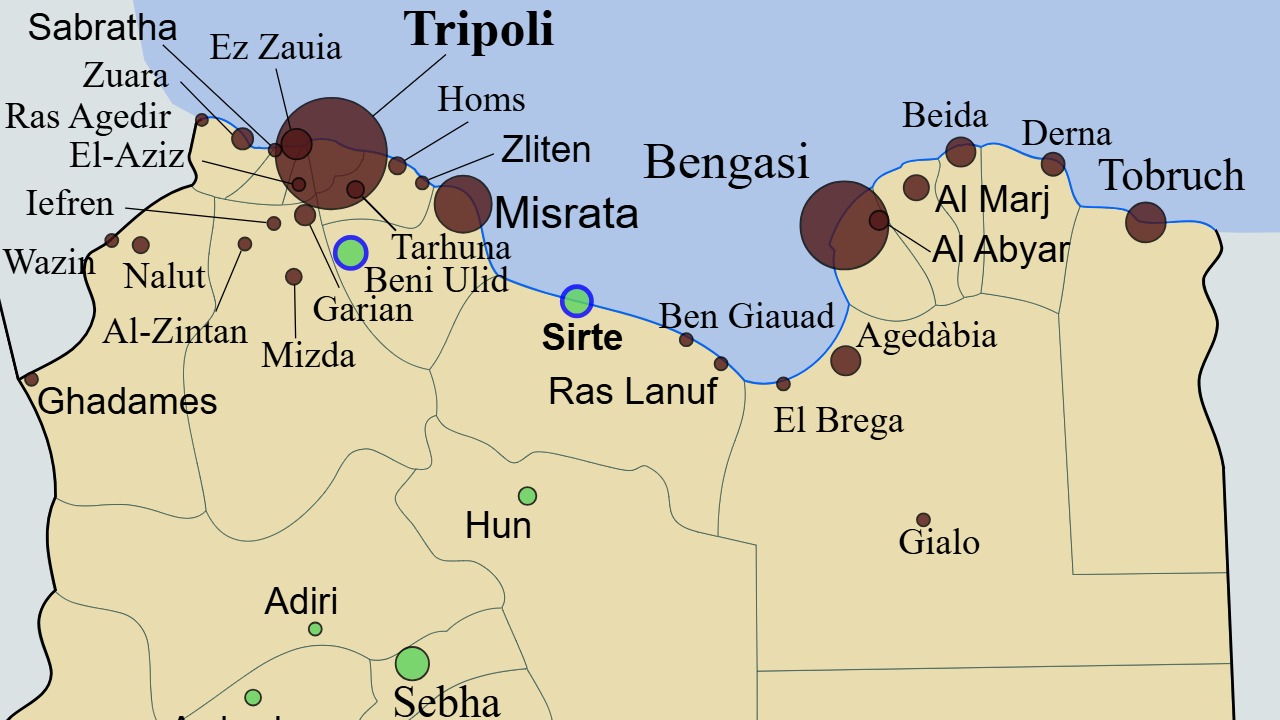
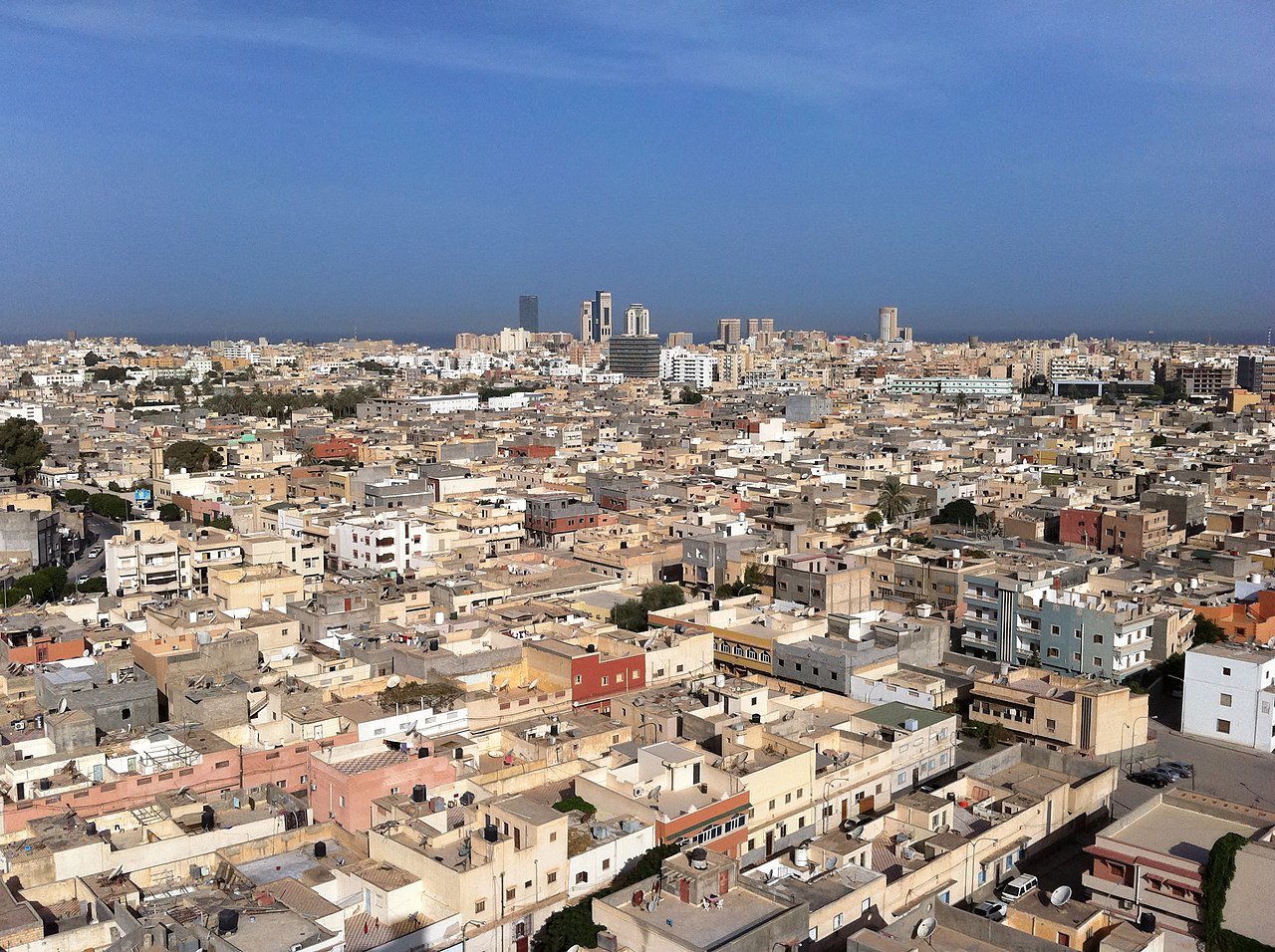
According to reporting from Reuters and The Associated Press, Saif al-Islam’s team said four masked men entered his home and killed him. Reuters reported that Libya’s attorney general office said investigators and forensic doctors examined the body and determined that he died from gunshot wounds. AP, citing Libyan officials, likewise reported that he was killed in Zintan, about 85 miles southwest of Tripoli. Those details matter because they move the story beyond rumor. The early reports were politically charged from the outset, but the acknowledgment by Libyan authorities gave the killing a level of confirmation that was missing from less reliable social media claims. At the same time, many important questions remained unanswered, including who carried out the attack, how they reached him, and whether the motive was local, national, or tied to Libya’s long-running power struggle. Zintan is not just any location on the Libyan map. It is the town where Saif al-Islam was held after his capture in 2011 and where he remained closely associated long after his release. That history gives the killing added symbolic force. He was not targeted while campaigning in public or moving openly through a contested city. He was killed in the place most closely tied to his long years of detention, survival, and political reemergence.
Why Saif al-Islam still mattered
For many outside Libya, Saif al-Islam was remembered mainly as the son once seen as the modern face of the Gaddafi regime. Fluent in English and educated in London, he spent years presenting himself as a reform-minded figure who could soften Libya’s image abroad. Reuters noted that he was involved in negotiations tied to Libya’s abandonment of weapons of mass destruction and compensation talks over the Pan Am Flight 103 bombing.
That image collapsed during the 2011 uprising. As protests spread, Saif al-Islam aligned himself fully with his father’s rule and became one of the most recognizable defenders of the crackdown. The International Criminal Court arrest warrant against him dates to 2011 and accused him of crimes against humanity tied to the regime’s response to the uprising.
After the fall of Tripoli, he was captured by fighters from Zintan while trying to flee. He remained in detention for years, and a Tripoli court later sentenced him to death in absentia in 2015. He was released in 2017 under an amnesty tied to one of Libya’s rival centers of power, but the legal and political cloud never lifted. Even in relative isolation, he remained a figure with real symbolic weight.
That became clear again in 2021, when he resurfaced to seek the presidency. His candidacy electrified some voters who associated the Gaddafi era with stability, stronger state authority, and functioning public institutions. It horrified others who saw him as the embodiment of a regime they had fought to overthrow. His reappearance was not a side note. It was one of the clearest signs that Libya had never fully resolved the political legacy of 2011.
What his death means for Libya
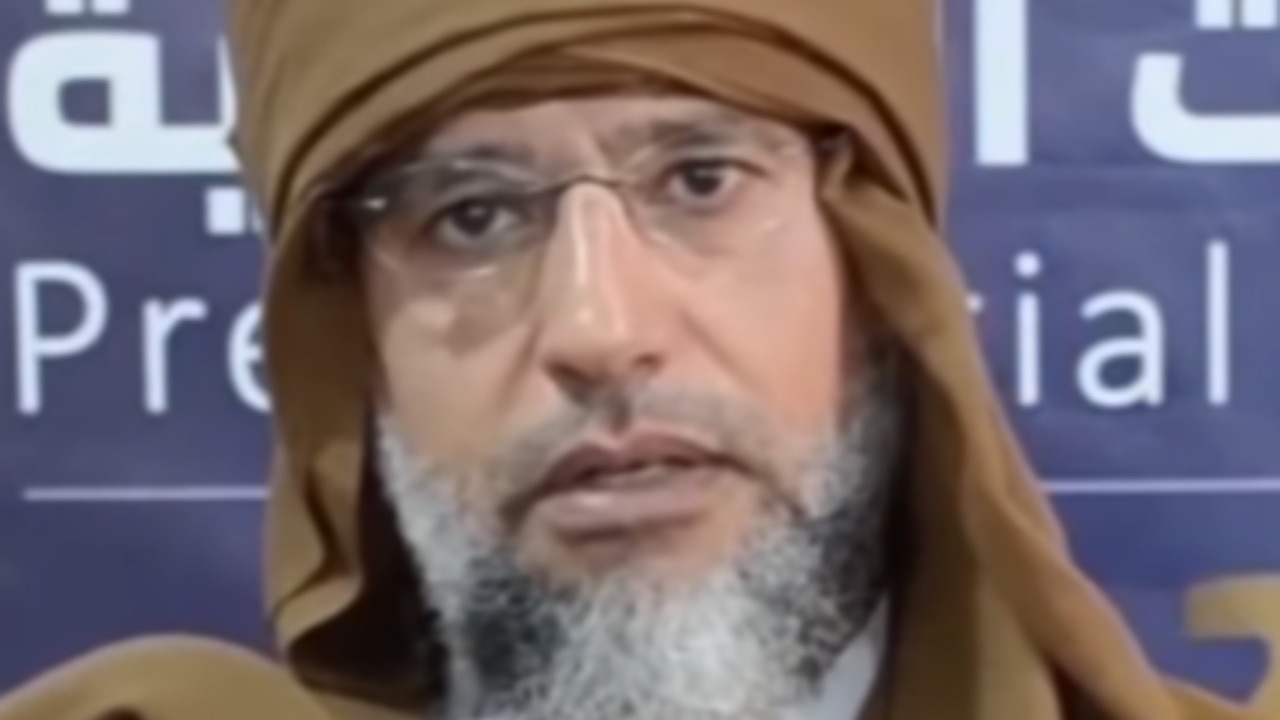
Saif al-Islam did not hold official power when he was killed, but he still represented something that mattered in Libya’s stalled political system: a possible rallying point for loyalists, tribal networks, and disillusioned voters who believed the post-Gaddafi order had delivered chaos instead of democracy. That is why his death is bigger than the loss of one man. Libya remains split between rival authorities, armed groups still shape power on the ground, and national elections have repeatedly collapsed under legal disputes and factional mistrust. In that kind of system, the killing of a politically loaded figure does not just close a chapter. It can unsettle the field for everyone still in it. His removal may reduce one source of political confrontation ahead of any future election process. It may also create a vacuum among supporters who had no other figure with his name recognition, family legacy, or ability to tap into nostalgia for the pre-2011 state. In Libya, those two outcomes can exist at the same time. A rival may disappear, yet instability can still grow. The reaction from international and Libyan observers reflected that tension. The central concern was not only who killed him, but what the killing said about a country where prominent figures can still be eliminated by force while institutions struggle to establish public trust.
An investigation that now carries wider significance
The investigation matters for more than criminal reasons. If Libyan authorities can identify suspects, explain how the attack happened, and show that the case will not disappear into the country’s usual fog of militia power and political pressure, it would mark a rare moment of institutional credibility. If they cannot, the message will be the opposite. It will reinforce the idea that even one of the most famous men in Libya could be killed without immediate clarity in a town where his movements and security arrangements were hardly unknown. That would add to the sense that Libya’s basic political problem remains unresolved: there is still no single state authority capable of monopolizing force, enforcing law, and protecting even the most visible people from targeted violence. For readers, that is the real significance of Saif al-Islam Gaddafi’s death. It is not only the end of a notorious political life that moved from privilege to collapse, captivity, and attempted comeback. It is also a stark measure of how unsettled Libya remains, more than a decade after the uprising that ended his father’s rule.