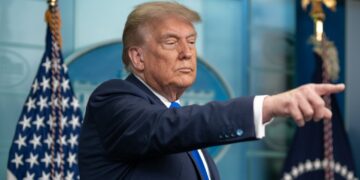
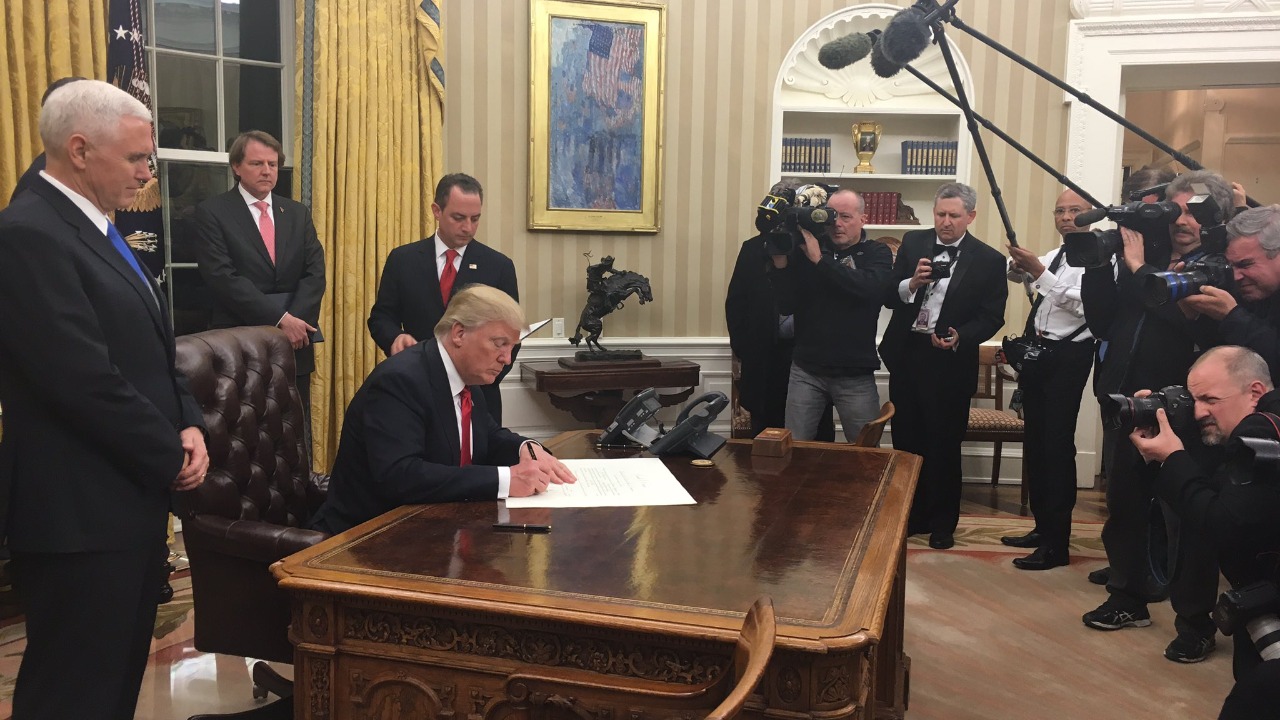
President Donald Trump signed a roughly $1.2 trillion spending package Tuesday, ending a four-day partial government shutdown and sending federal agencies into a rapid reopening process as furloughed workers prepared to return.
The move restored funding for most of the government after a weekend lapse, but it did not resolve the political fight that caused the standoff.
The agreement reopened agencies across Washington and beyond, allowing managers to recall workers, restart paused operations and begin clearing backlogs that built up during the shutdown.
But the fix was only partial in one important respect: Congress funded the Department of Homeland Security for only a short stretch, ensuring the budget battle over immigration enforcement will return almost immediately.
How the shutdown ended
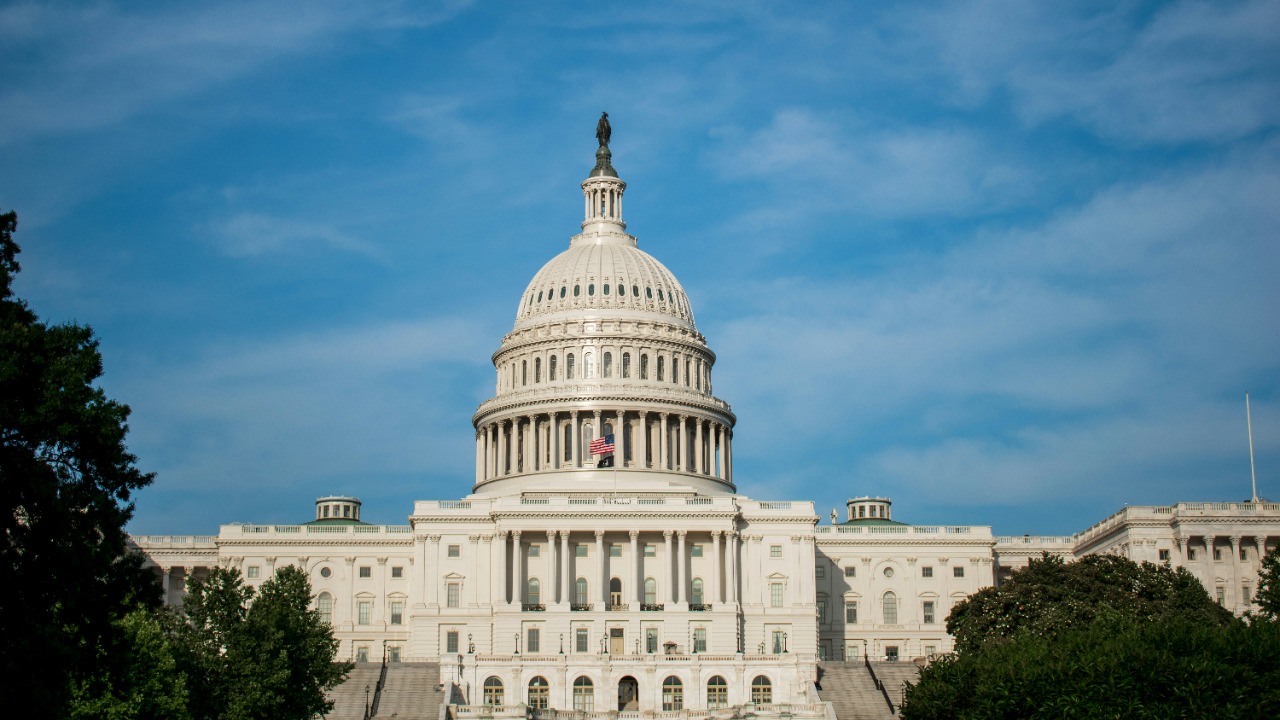
The breakthrough came after Congress approved a package funding 11 federal agencies through the rest of the fiscal year while giving Homeland Security only a temporary extension.
Reuters reported that President Donald Trump signed the bill after the House passed it by a narrow 217-214 vote, following earlier Senate approval. The Associated Press similarly described the measure as the bill that ended the partial shutdown while setting up an immediate next fight over Homeland Security funding.
That split was the key to the deal.
Lawmakers found a way to reopen most of government without settling the most politically explosive piece of the budget. Instead of forcing a final answer on immigration enforcement and ICE funding, they pushed that dispute into a separate, shorter timeline.
The shutdown itself began after Congress missed its funding deadline amid a clash over how far lawmakers should go in financing the administration’s immigration enforcement agenda. Republicans argued for stronger support tied to border security and enforcement priorities. Democrats pushed back, seeking new limits and oversight rather than a simple funding increase.
That disagreement was strong enough to derail a broader spending agreement and force a lapse that sent some workers home while others stayed on the job without immediate pay
Federal workers head back, but reopening is never instant
Once President Donald Trump signed the measure, the mechanics of reopening moved quickly. The White House Office of Management and Budget issued Memorandum M-26-07, titled “Reopening Departments and Agencies,” after having previously issued M-26-06, “Status of Agency Operations,” when the shutdown began. Together, those documents set the framework for how agencies were to wind down and then restart.
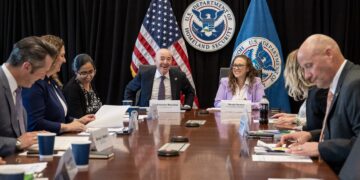
For federal employees, the headline was straightforward: return to work. The practical details were more complicated. The Office of Personnel Management’s shutdown furlough guidance spells out how agencies should handle furloughed employees, excepted workers who continued performing essential duties, leave balances and other pay-related questions once appropriations are restored.
Even a short shutdown creates confusion around schedules, contracts, agency workflows and internal deadlines. A four-day disruption is far easier to absorb than a long one, but it still leaves agencies with cleanup work the public rarely sees
The real fight was postponed, not resolved
The Department of Homeland Security was not placed on the same long runway as most other agencies. Instead, it received only a temporary extension through Feb. 13, according to Reuters and The Associated Press reporting.
That buys Congress time, but not much of it. In practical terms, lawmakers ended one shutdown while preserving the pressure point that made it possible.
By isolating Homeland Security from the broader package, they avoided a longer government-wide standoff. But they also guaranteed a rapid return to the same fight over immigration enforcement, ICE-related funding and what conditions Democrats may seek in exchange for keeping the department fully funded.
For DHS employees, that uncertainty matters more than the symbolism of Tuesday’s signing. Workers may be back on the job, but they are returning under a funding clock that is still ticking.
Agencies can resume operations, yet managers still have to plan around the possibility of another disruption within days. That makes the reopening real, but incomplete.
Why the short shutdown still matters
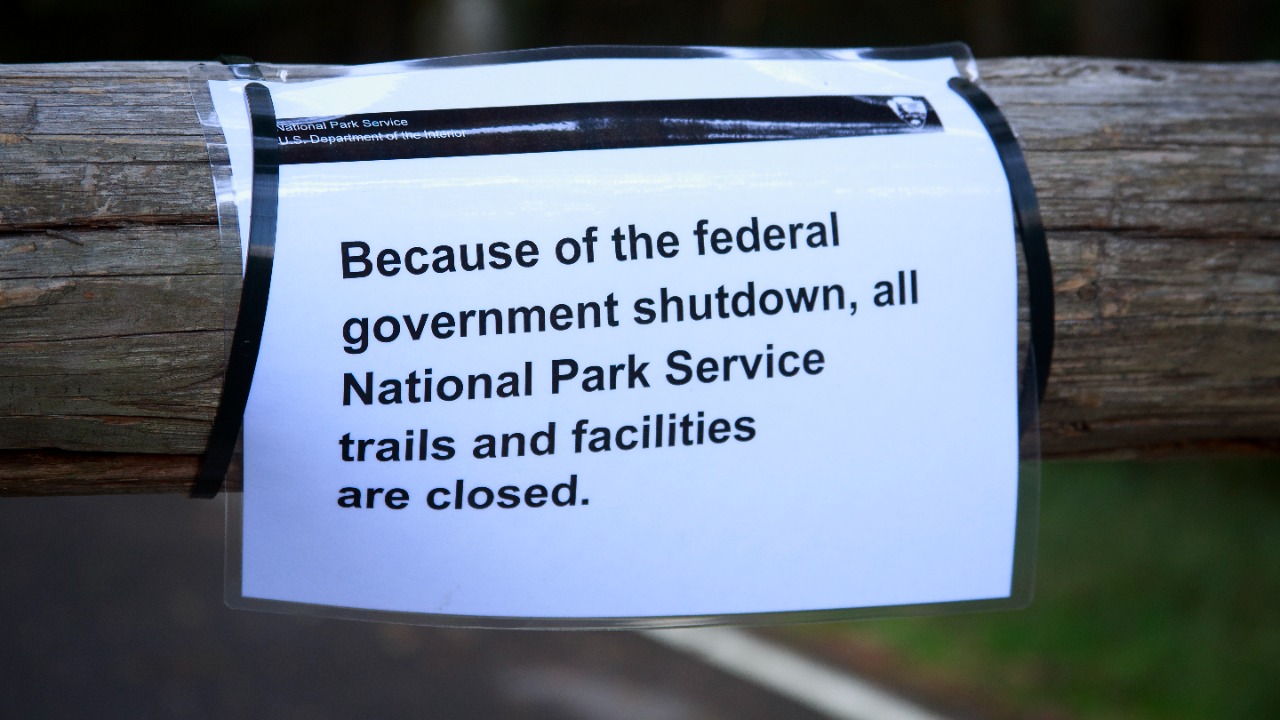
Because this lapse lasted only four days, it may be tempting in Washington to treat it as a brief inconvenience rather than a serious warning. But even a short shutdown carries real costs. Agencies must activate contingency plans, issue notices, freeze certain functions and then reverse that process almost immediately. Contractors can lose billable time. Employees are left wondering whether household budgets need to shift again if the next deadline goes badly.
The broader problem is that governing by deadline creates recurring instability even when each individual standoff is short. The system rewards temporary fixes that solve the optics of a crisis without resolving the underlying disagreement.
This time, the result was a package that reopened government while leaving one of the most contentious departments on borrowed time.
What happens next
President Donald Trump’s signature ended the immediate shutdown and allowed most agencies to move ahead with greater certainty for the rest of the fiscal year. That is the clearest near-term outcome, and it matters. Workers are returning, offices are reopening and suspended work is resuming.
But the story does not end there. Congress now heads straight into another Homeland Security deadline, with the same ideological conflict still sitting at the center of the debate. The next round will again focus on immigration enforcement, ICE funding and whether lawmakers can reach a compromise that avoids another lapse.
So while the administration can point to a reopened government and a swift signing ceremony, the underlying lesson is harder to ignore. This shutdown was ended, but the dispute that triggered it was mostly deferred.
Federal workers are back at their desks. Washington’s next budget cliff is already in view.