

California Republican Congressman Doug LaMalfa, a seven-term lawmaker who represented the state’s 1st Congressional District, has died at 65 after suffering a medical emergency and undergoing surgery, according to his office and local authorities. His sudden death leaves Northern California without one of its most recognizable political voices and gives House Republicans even less room for error in a chamber where every vote already carries unusual weight.
LaMalfa had long been one of the most visible advocates for rural California in Washington, building his political identity around agriculture, wildfire policy, water access, and land management. His death lands as both a personal loss for a district that knew him as a farmer-politician and a significant development in the broader balance of power on Capitol Hill, where the Republican majority was already under strain.
LaMalfa died after a medical emergency
The Associated Press reported that LaMalfa experienced a medical emergency Monday night and was taken to a local hospital, where he died during a surgical procedure. The account cited the Butte County Sheriff’s Office, which confirmed the sequence of events but did not disclose the cause of death. Reuters separately reported that his death immediately reduced the Republican margin in the House, adding to the political significance of an already shocking development.
At the time of publication, neither his congressional office nor local officials had publicly released a medical history or a more complete description of the condition that led to surgery. What was clear was the abruptness of the loss and the speed with which both California and Washington reacted.
A major voice for rural Northern California is gone
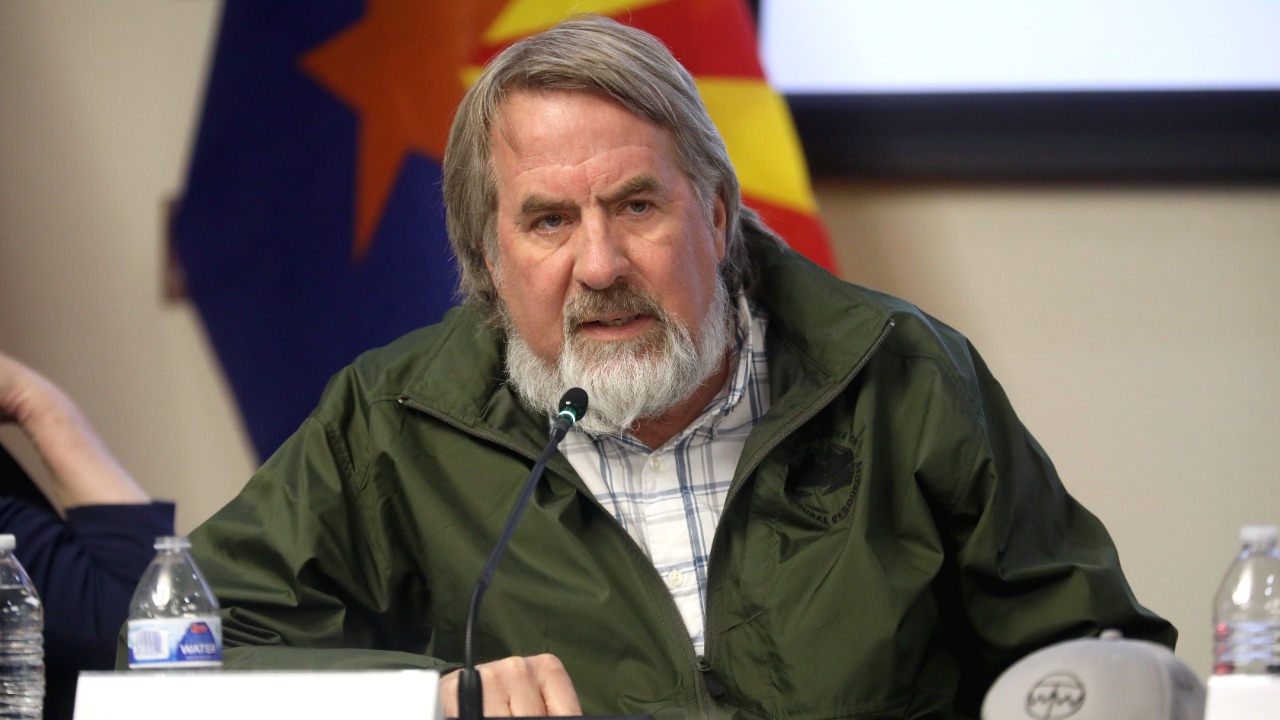
LaMalfa was more than a party-line vote in the House. A fourth-generation rice farmer from Northern California, he built his public profile around the issues that dominate life in a district shaped by agriculture, forests, water politics, and recurring wildfire threats. That background gave him unusual credibility with constituents who often feel that the state’s political conversation is driven by the coast rather than by inland communities. Over the years, he became closely identified with efforts to expand water storage, defend irrigation access, push for wildfire mitigation, and keep federal attention on farming and forestry policy.
Even critics generally viewed him as a lawmaker whose priorities were rooted in the practical concerns of his district rather than in national political celebrity. That made him a durable figure in a part of California that has often felt politically and culturally distant from Sacramento and Washington alike. His death leaves a gap that is not just electoral. It also removes a member of Congress whose value to his district rested in part on subject-matter familiarity. On issues like crop conditions, federal land management, wildfire recovery, and water infrastructure, LaMalfa was speaking from lived experience as well as ideology.
The House majority just got tighter
The timing also matters beyond California. House Republicans were already operating with a narrow margin, and LaMalfa’s death makes that math even more unforgiving. Reuters reported that the death trimmed the GOP’s advantage to 218 seats to Democrats’ 213, a number small enough that even routine absences can complicate leadership plans.
Speaker Mike Johnson’s conference has been navigating an environment in which internal defections can derail legislation, slow procedural votes, or force leaders into uncomfortable compromises. LaMalfa was not typically the loudest figure in those fights, but he was part of the dependable voting base Johnson could count on.
Condolences came quickly from both Sacramento and Washington

Public reaction was swift. Speaker Mike Johnson said LaMalfa was “truly a great man” and praised his service, reflecting the shock inside the Republican conference as members tried to absorb both the human and institutional loss. In California, Governor Gavin Newsom said that he and First Partner Jennifer Siebel Newsom were holding LaMalfa’s family, loved ones, and colleagues in their thoughts, adding that California was mourning his passing. Newsom also ordered flags at the State Capitol and Capitol Annex Swing Space to be flown at half-staff in LaMalfa’s honor. Secretary of State Shirley N. Weber, Ph.D., also issued a statement recognizing LaMalfa’s death, underscoring that the response extended beyond party leadership and into the state offices that will be involved in the vacancy process.
What happens next in California’s 1st District
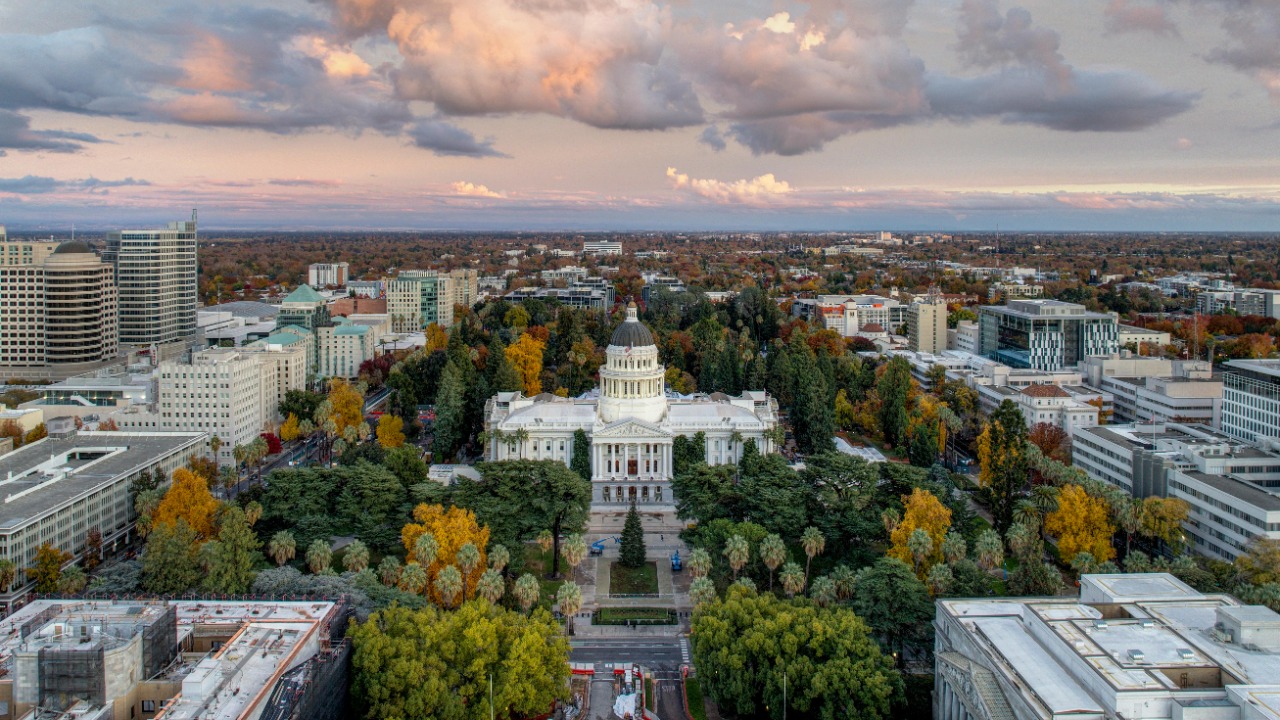
LaMalfa’s death creates an immediate vacancy in California’s 1st Congressional District, a large Northern California seat where Republican strength has historically run deep even as the state as a whole has moved in the opposite direction. The district stretches across a wide and diverse geographic footprint, including agricultural communities, mountain regions, and fire-prone areas that often place very different demands on elected officials than the urban centers that dominate statewide politics. As of publication, the focus remained on the loss itself rather than on a fully developed succession fight.
But under California law, the vacancy will ultimately have to be filled through a special election process. That contest will now carry outsized significance. Locally, it will determine who takes over representation for a district with a distinct rural identity. Nationally, it will be watched for what it means to a House majority that can no longer afford many setbacks. For now, the political implications are only part of the story. LaMalfa’s death also closes a long chapter in Northern California politics, ending the career of a congressman whose appeal rested less on flash than on familiarity. He was a farmer, a conservative, and a fixture in a district that saw him as one of its own. The scramble to replace his vote in Washington will begin soon enough. The harder task may be replacing the kind of region-specific voice he brought with him every time he returned to the Capitol.