
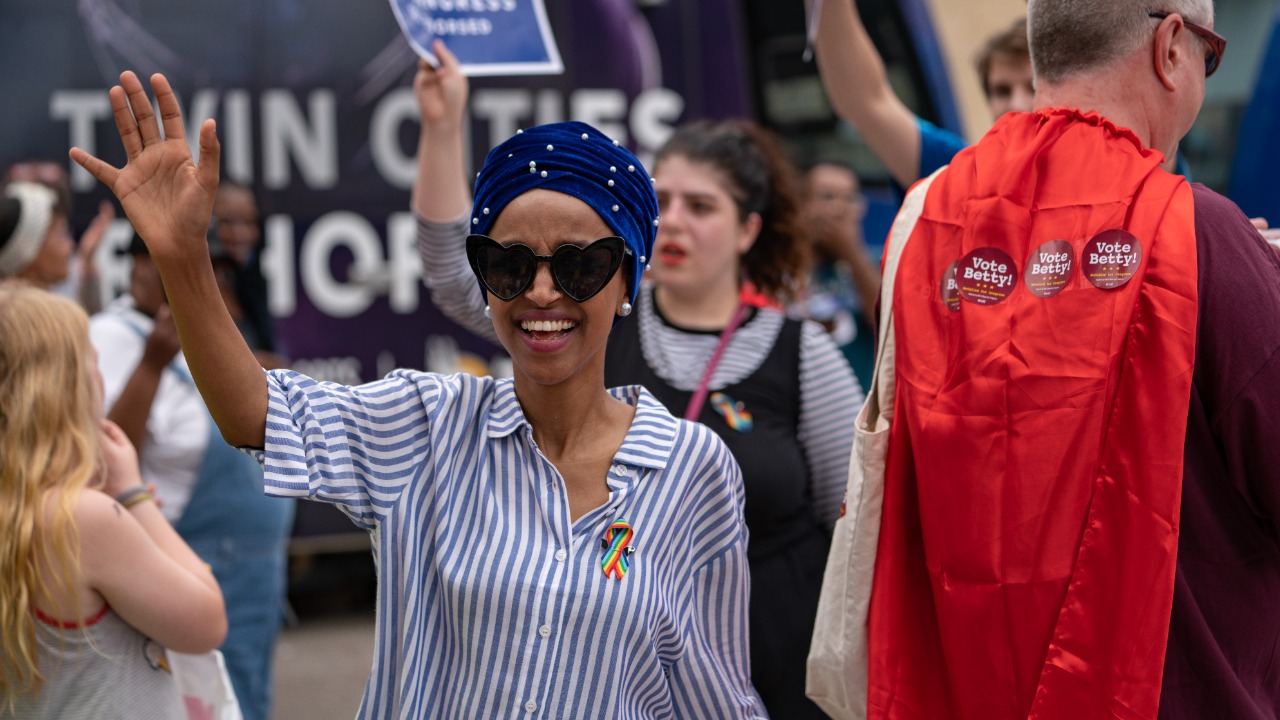
A Minneapolis town hall hosted by Rep. Ilhan Omar turned chaotic Tuesday night when a man rushed forward and sprayed her with liquid from a syringe, briefly halting the event and triggering an immediate arrest. What began as a tense but routine public forum quickly became a security scare as officers moved in and attendees tried to understand what had just happened. Omar was not seriously hurt and, after a short pause, chose to continue the meeting. Investigators later determined the liquid was a vinegar-and-water mixture, but for several tense moments neither the congresswoman, her staff, nor the crowd knew what had been sprayed or whether it posed a more serious danger.
What happened at the town hall
According to reporting from the scene, the disruption unfolded in seconds. A man in a black jacket moved toward Omar during the event and sprayed an unknown substance at her before he was tackled to the ground. Witnesses described a burst of confusion as people in the audience realized the congresswoman had been hit and security rushed in to contain the scene. The attack came during a charged discussion about immigration enforcement in Minnesota. Omar had been criticizing Immigration and Customs Enforcement and calling for Homeland Security Secretary Kristi Noem to resign or face impeachment. That already tense atmosphere gave way to open alarm once the man closed distance and used a syringe to spray liquid in Omar’s direction. Audience members shouted as officers converged. Staffers and security personnel moved quickly to shield Omar and clear the immediate area. The event stopped while police secured the room and took the suspect into custody. For those in attendance, the most unnerving part was not simply that Omar had been targeted, but that no one initially knew what substance had been used.
Immediate response from police and Omar
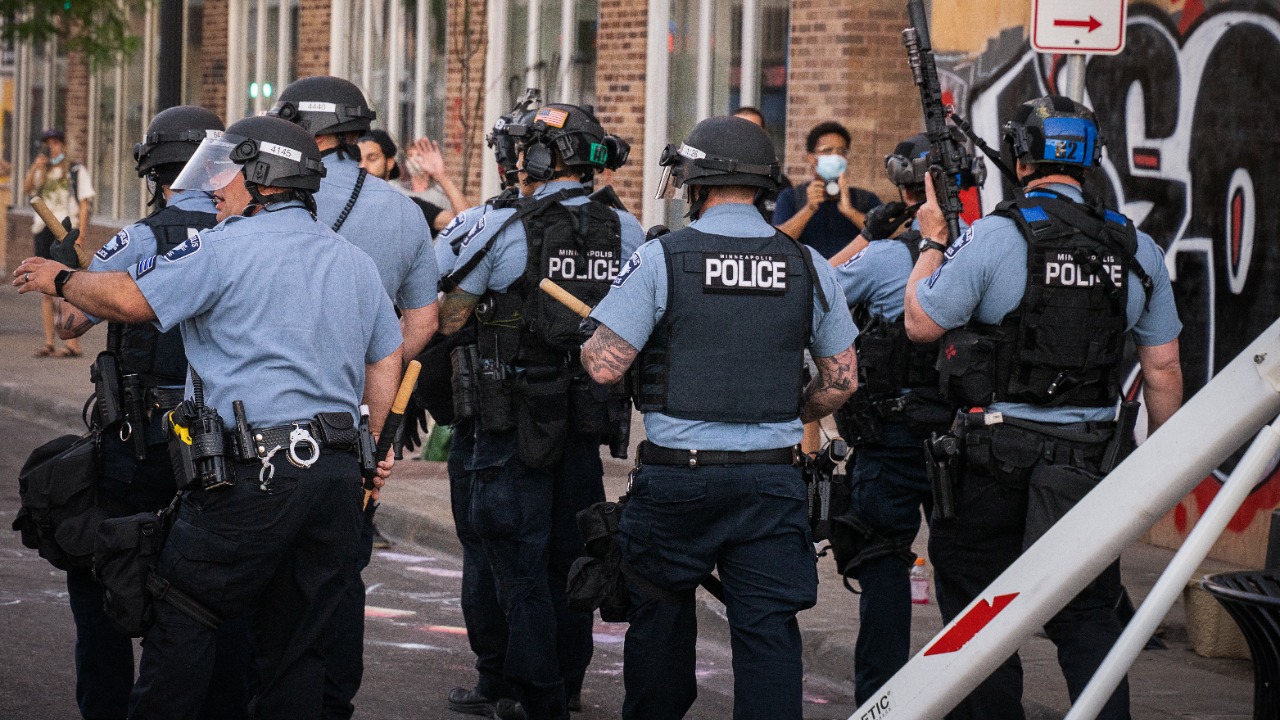
Minneapolis police said officers at the event saw the incident and arrested the suspect right away on suspicion of assault. Investigators treated the episode seriously from the start. Forensic personnel were called to the venue to collect evidence and determine what had been inside the syringe. That caution was understandable. A syringe attack carries a different kind of fear than many other disruptions at public events because it immediately raises the possibility of exposure to something hazardous. In the first moments after the spraying, there was no way for Omar, the crowd, or law enforcement to know whether the liquid was harmless, toxic, or contaminated. Omar, however, did not allow the attack to end the night. After a short interruption, she returned to the event and made clear that she did not intend to be intimidated. The decision to resume the town hall sent a message of calm and resolve even as law enforcement continued sorting through what had happened.
What investigators found
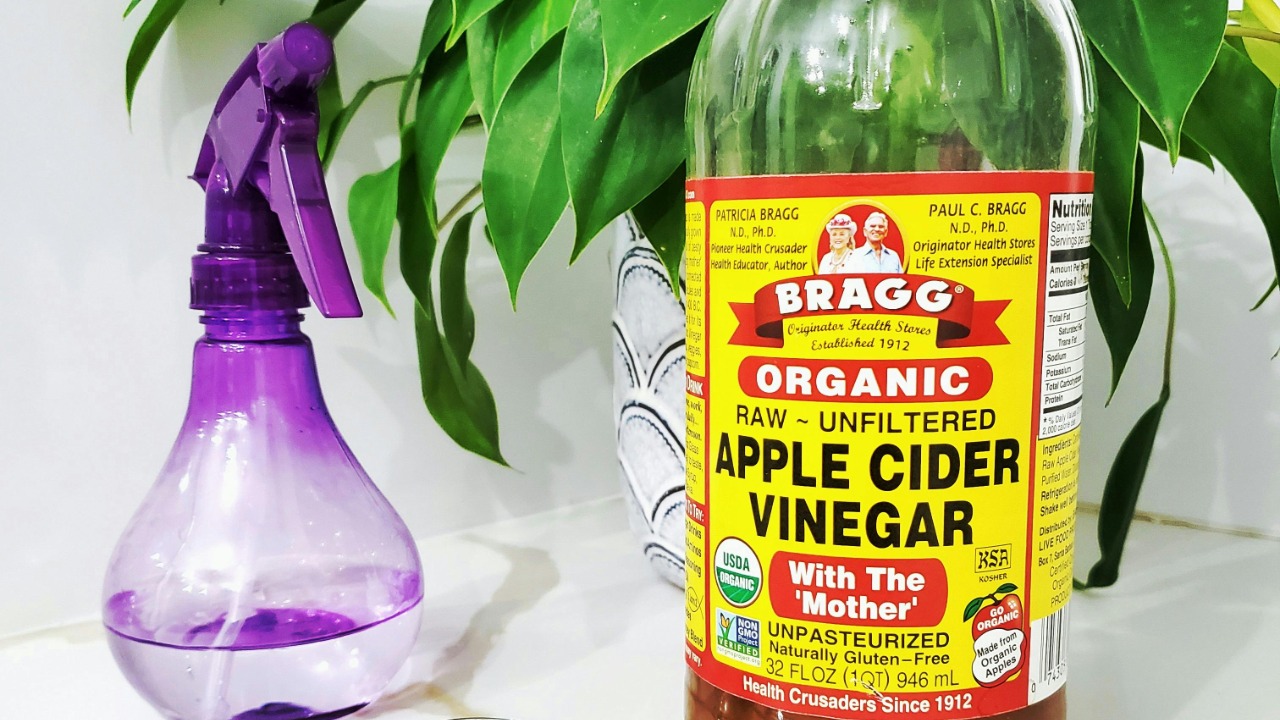
One of the most important developments in the hours after the assault was confirmation that the substance was not toxic. Investigators later determined the liquid was apple cider vinegar mixed with water, easing fears that the incident involved a chemical or biological threat. That finding reduced the health risk but did not diminish the seriousness of the act itself. A sitting member of Congress had been physically targeted during a public meeting with constituents, and the method used created maximum uncertainty before the facts were known. Even though the liquid turned out to be nonlethal, the attack still crossed a clear line from heated protest into criminal conduct.
Why the incident drew national attention
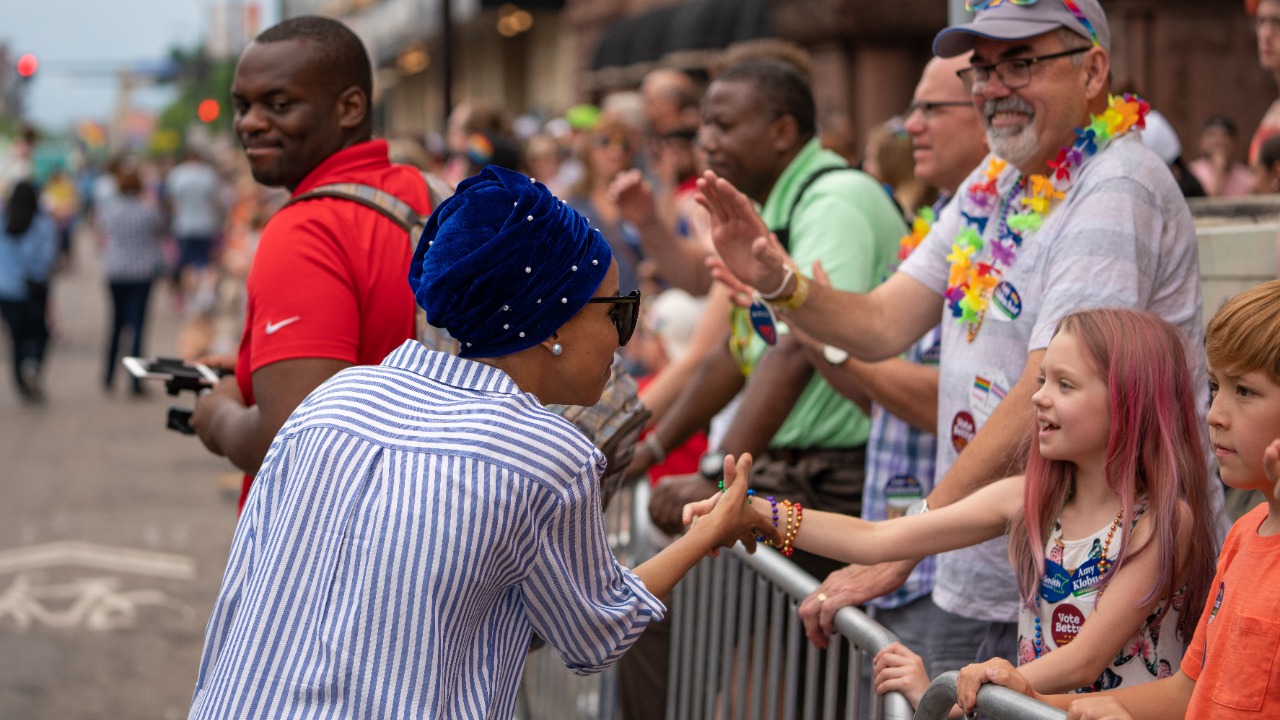
The case resonated quickly because it struck at one of the most visible rituals in American politics: the town hall. These events are designed to be open, direct, and accessible. Voters show up expecting to challenge their elected representatives face to face. Lawmakers show up knowing they may hear criticism, anger, and hard questions. What they do not expect is a physical assault carried out in the middle of the room. That is what made the Omar incident feel more serious than a routine protest interruption. A shouted outburst can be removed. A sign can be lowered. A person wielding a syringe filled with an unknown liquid forces everyone present to imagine the worst before facts catch up. In that sense, the fear generated by the attack extended well beyond the actual physical effect of the substance itself. The episode also highlights a difficult reality for public officials. Town halls work because they are more open than heavily controlled government spaces. That openness is part of the point. It also creates obvious vulnerabilities. Screening for firearms or larger weapons is one thing. Detecting a small syringe in a crowded public setting is far more difficult without turning a community event into something much more restrictive.
A broader backdrop of threats against lawmakers
The attack did not happen in isolation. Members of Congress from both parties have faced a rising number of threats in recent years, and security concerns have increasingly followed lawmakers beyond Washington and into district events. Public meetings that once carried mainly political risk now carry more obvious physical risk as well. That broader backdrop helps explain why this episode drew such swift attention from law enforcement and national media outlets. Even though the liquid turned out to be harmless, the basic facts were striking enough on their own: a congresswoman was rushed at a town hall, sprayed with an unknown substance from a syringe, and forced to pause an official public event while police intervened.
What comes next
In the short term, the incident is likely to prompt renewed scrutiny of security at town halls and similar constituent events. Lawmakers and their teams may revisit how rooms are set up, where officers are stationed, and how quickly someone from the audience can move toward the stage or speaking area. Even modest changes could alter the feel of events built around accessibility and direct contact with voters. For Omar, the immediate political message was one of defiance. For others watching, the lesson was more sobering. The attack offered a vivid example of how quickly a democratic forum can be disrupted by one person willing to turn confrontation into physical action. That is why the story landed with such force. The incident was not just about a foul-smelling liquid or a brief interruption. It was about the vulnerability built into open public life and the increasingly fragile line between protest and assault. However the legal case unfolds, the image of a member of Congress being sprayed during a town hall is likely to linger far longer than the event itself.