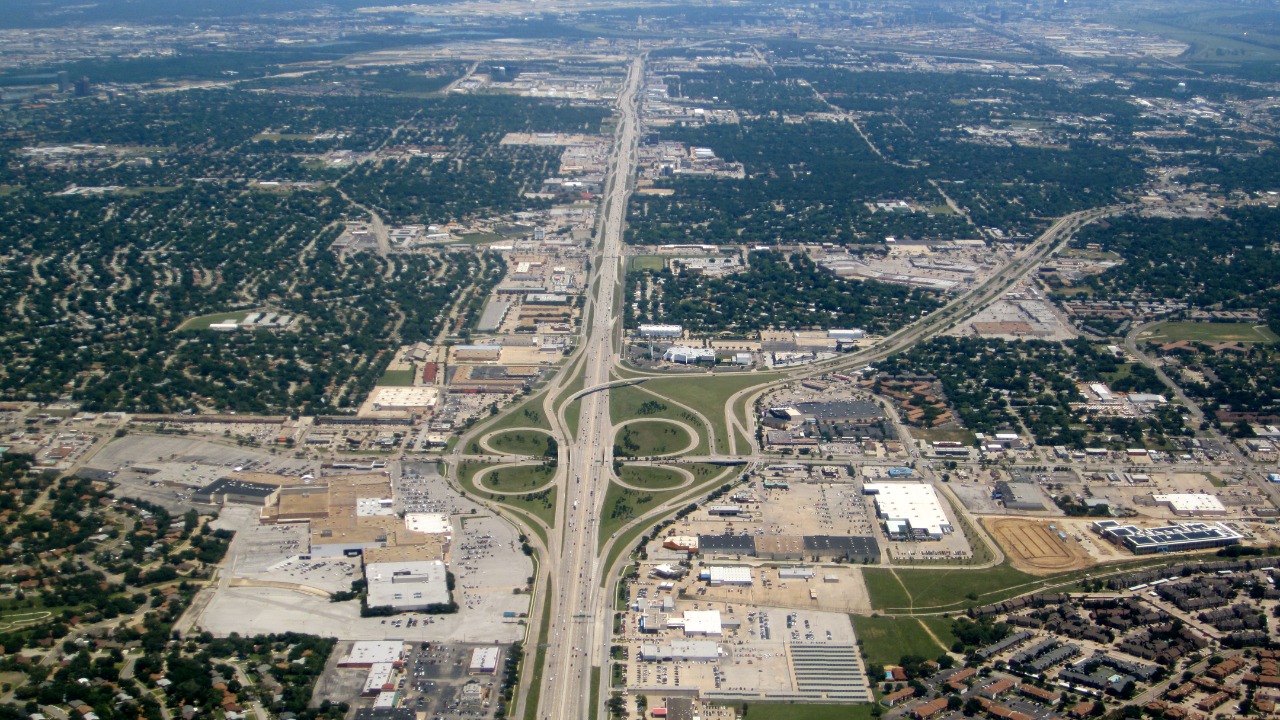
An Irving man is facing a murder charge after police say a road-rage confrontation on Belt Line Road ended in gunfire and left one driver dead. Investigators say the shooting happened during the early evening commute near Finley Road, a stretch of Irving where traffic often builds quickly around lights, turn lanes, and retail entrances. The case drew immediate attention in North Texas because of how quickly it turned deadly. What police described as a road-rage incident ended with a 33-year-old man taken to a hospital, a suspect arrested the same night, and a homicide case now moving through the Dallas County court system.
What police say happened
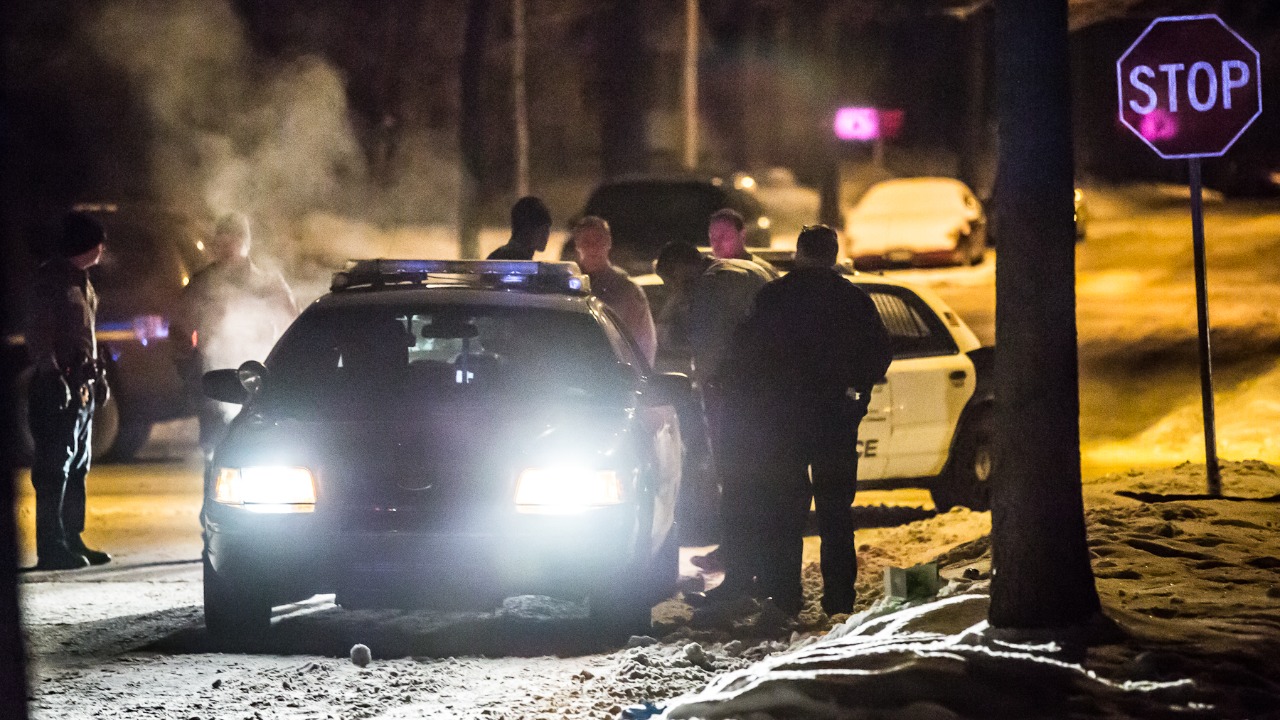
According to Irving police, officers responded just before 6 p.m. on Feb. 4 to a shooting near the intersection of Belt Line and Finley roads. When they arrived, they found a 33-year-old man inside a vehicle with a gunshot wound. He was taken to a hospital, where he later died. Local reporting from FOX 4 said police identified the suspect as 62-year-old Kenneth Nixon, who was arrested and charged with murder.
Police also said two other passengers were inside the victim’s vehicle and were not physically hurt, a detail that raised the stakes of the encounter and helps explain why Nixon also faces two counts of aggravated assault with a deadly weapon. More detailed reporting from CBS Texas, citing the arrest affidavit, adds important context missing from the earliest alerts. Witnesses inside the victim’s vehicle told police that Nixon had been driving erratically in a pickup behind them before both vehicles stopped at a red light. They said Nixon pulled up alongside the car, began yelling, then pulled out a gun and fired multiple shots into the vehicle before driving away.
How investigators moved quickly
Police have not released every step of the investigation, but the available reporting suggests detectives were able to identify Nixon within hours. CBS Texas reported that investigators used street cameras and witness testimony to track him down and arrest him at his home, which was about two miles from the scene. That same report says Nixon admitted to the shooting and told investigators he hid the gun in the ground behind a pool deck in his backyard. If that remains part of the prosecution’s evidence, it could become a major piece of the case because it speaks not just to identification, but also to what happened after the shooting. Witness accounts gathered by FOX 4 also underscore how abruptly the violence unfolded. One witness described hearing gunshots and seeing the victim’s car keep rolling after the light changed. Another said the scene felt surreal until it became clear someone inside the vehicle had been hit.
Why the charges are especially serious
Texas law treats murder as a first-degree felony under Section 19.02 of the Penal Code. The punishment range for a first-degree felony under Section 12.32 is five to 99 years, or life, plus a possible fine. In practical terms, that means this is not a case likely to fade quietly unless the facts change in a major way. The added aggravated-assault counts also reflect the allegation that more than one person was placed in danger when shots were fired into the vehicle. Police have said there is no ongoing threat to the public, but that does not lessen the seriousness of what prosecutors are likely to argue: that a burst of anger in traffic ended with a fatal shooting at a public intersection with other civilians nearby.
Where the case goes from here
Early reports said Nixon was booked into the Irving City Jail, which is typical in the first stage of an arrest. Irving’s official in-custody reporting page directs users to the Dallas County Jail Lookup System for broader custody tracking once inmates are transferred into the county system for more serious felony proceedings. Bond, attorney information, later hearings, and any indictment process are more likely to be tracked at the county level than through the city jail alone. For readers following the story closely, that distinction is worth understanding. The arrest is the beginning of the public case, not the end of it. The next major developments will likely come through charging documents, court filings, or additional reporting tied to the affidavit and future hearings.
A familiar warning in a state where many drivers are armed

The Irving shooting also happened in a Texas environment where confrontations behind the wheel can carry especially high risk. The Texas Department of Public Safety notes that adults 21 and older who can legally possess a handgun may generally carry one without first obtaining a license under the state’s firearm carry law, subject to restrictions that still apply in some places and circumstances.
Research from the AAA Foundation for Traffic Safety has found that aggressive driving is widespread and that hostile behavior on the road often feeds on itself, with one driver’s anger escalating another driver’s response. Cases like the one on Belt Line Road are an extreme example of that pattern, but they also show why police and safety advocates regularly urge drivers not to engage, follow, challenge, or confront strangers in traffic.
The part of the story that lasts longest
Breaking-news coverage naturally focuses on the arrest, the charges, and the search for motive. But the hardest reality is the simplest one: a man is dead after what police say began as a road-rage incident, and a family now has to absorb that loss while the legal process moves forward. That is why cases like this tend to resonate beyond the first police update. They are not just crime stories. They are reminders of how little can separate an ordinary commute from irreversible violence when tempers, firearms, and split-second decisions collide in public traffic. As more records emerge, the Belt Line Road shooting may reveal additional details about what happened in the minutes before the gunfire. For now, the known facts already make the stakes clear. A confrontation in traffic ended with a murder charge, two additional felony counts, and another North Texas family pulled into a criminal case they did not ask for and cannot avoid.