
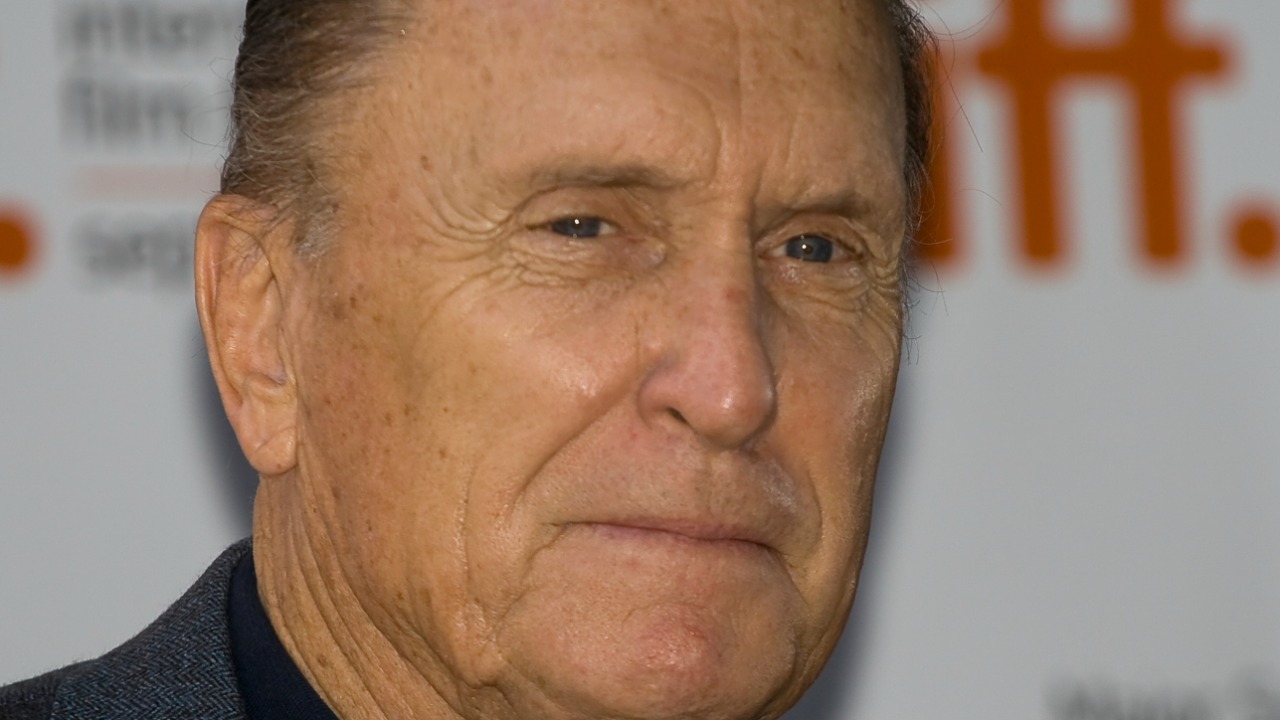
Robert Duvall, the quietly commanding actor whose work in The Godfather, Apocalypse Now, Tender Mercies and Lonesome Dove made him one of the defining performers of modern American screen acting, has died at 95.
Across more than six decades, Duvall built a career that resisted easy summary. He could convey power without raising his voice, menace without theatrics and wounded decency without sentimentality. In an industry that often rewards repetition, he became known for the opposite.
He shifted from film to film, moving from gangsters and soldiers to preachers, cowboys, judges and country singers with a level of precision that made even his most prominent roles feel lived-in rather than performed.
A Career Built on Control, Not Showiness
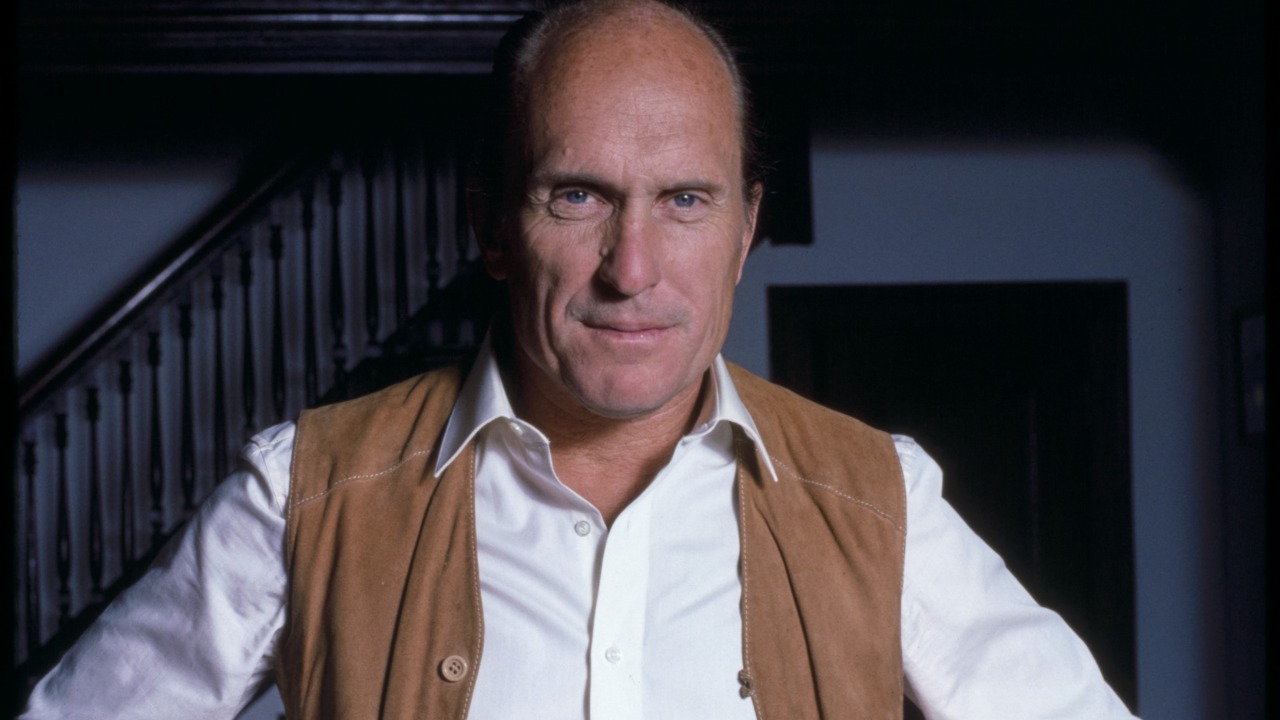
Robert Duvall leaves behind one of the deepest résumés in American film. Reuters and Associated Press both noted the remarkable breadth of a career that stretched from the early 1960s into the 2020s. He earned seven Academy Award nominations and won best actor for Tender Mercies, a performance that remains one of the clearest examples of his understated style. The Academy’s official record of the 1984 ceremony preserves the moment he took home the Oscar for playing washed-up country singer Mac Sledge.
What set Duvall apart was not simply range, though he had plenty of it. It was his depth of control. His Tom Hagen in The Godfather was calm, careful and unreadable until the exact moment the character needed to reveal the pressure beneath the surface. His Lt. Col. Bill Kilgore in Apocalypse Now was bolder and more flamboyant, but even that performance never felt random. Duvall understood how to make large characters feel specific, which is one reason both roles have remained fixed in the culture long after their release.
His discipline was rooted in training. According to Encyclopaedia Britannica, he studied with Sanford Meisner at New York’s Neighborhood Playhouse after serving in the Army. The education paid off. From the beginning, he seemed less interested in announcing himself than in disappearing into the inner rhythm of a part. His quality was visible as early as To Kill a Mockingbird, where his nearly silent appearance as Boo Radley made a lasting impression without asking for attention.
By the time he reached Tender Mercies, he had refined that instinct into something close to effortless. The role demanded restraint, patience and emotional clarity. Duvall did not push the film forward with grand speeches or dramatic flourishes. He let the character’s regret, weariness and faint hope emerge in small increments, giving the performance a realism that still feels unusual even by modern standards.
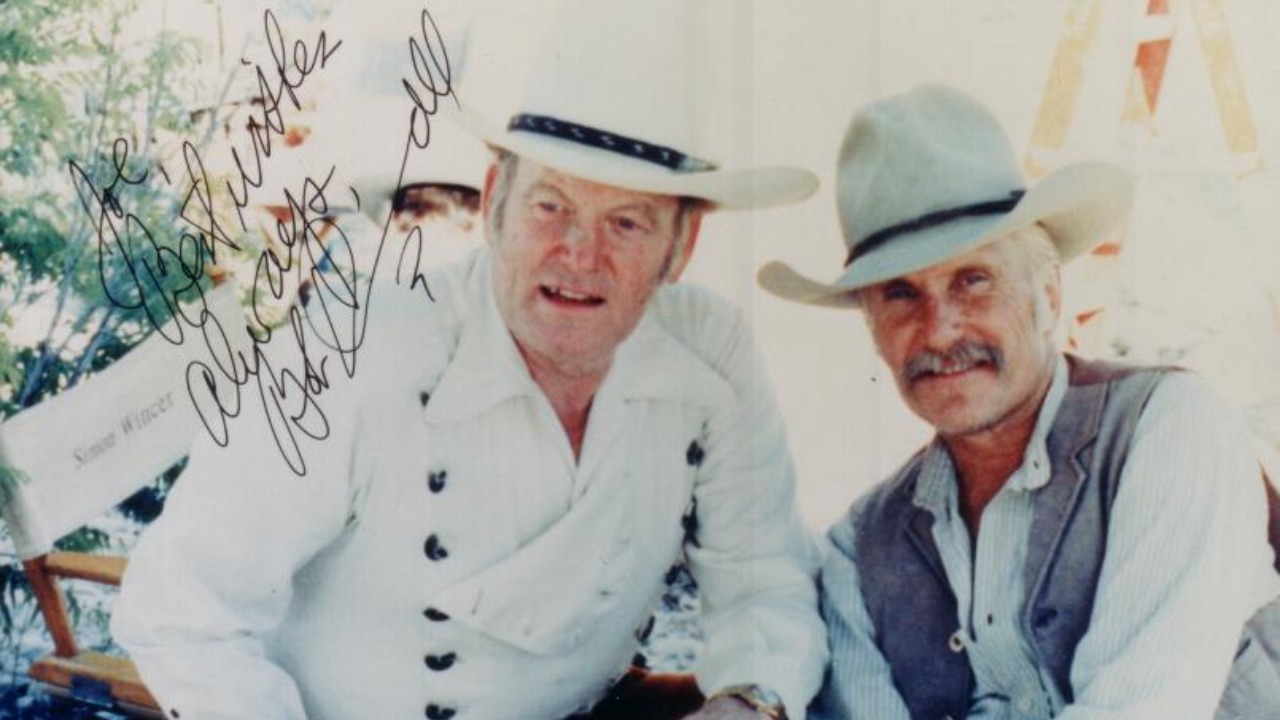
An Actor’s Actor, Without the Self-Mythology
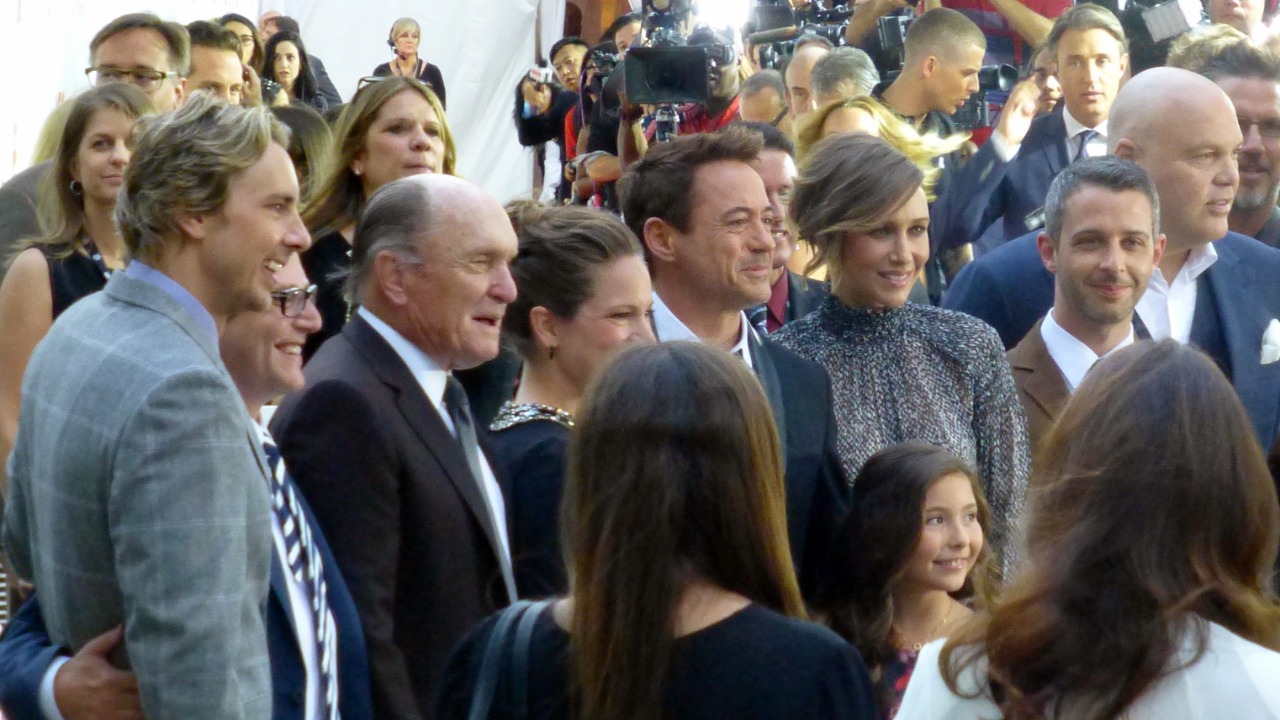
Few American stars were more consistently described as an actor’s actor, and in Robert Duvall’s case the phrase was earned. Tributes collected after his death returned to the same point: preparation, seriousness and an unusual lack of vanity. He was the kind of performer directors trusted to stabilize a scene and the kind of colleague other actors studied up close.
His filmography offers repeated proof of that discipline. The Great Santini gave him one of his fiercest portraits of authority and damage. The Apostle, which he wrote, directed and starred in, became one of the most personal films of his career. Encyclopaedia Britannica notes that the film earned him another best actor nomination, and it remains one of the strongest examples of how fully he could inhabit complicated American characters without mocking or romanticizing them.
Even when his roles were not central, they rarely felt secondary. Duvall had a gift for implying an entire life offscreen. A glance, a shift in posture, a pause before a reply — these were the tools he trusted. He did not overdecorate performances, he sharpened them. That economy made him unusually durable across generations, because his work never depended on the fashion of the moment.
He also occupied a rare place in Hollywood. He was widely admired without turning himself into a celebrity brand and did not rely on a single signature persona or seem especially interested in cultivating mystique off camera. Instead, his reputation grew performance by performance, until it became difficult to talk about postwar American acting without placing him somewhere near the center of the conversation.
Why His Loss Feels Larger Than a Single Career
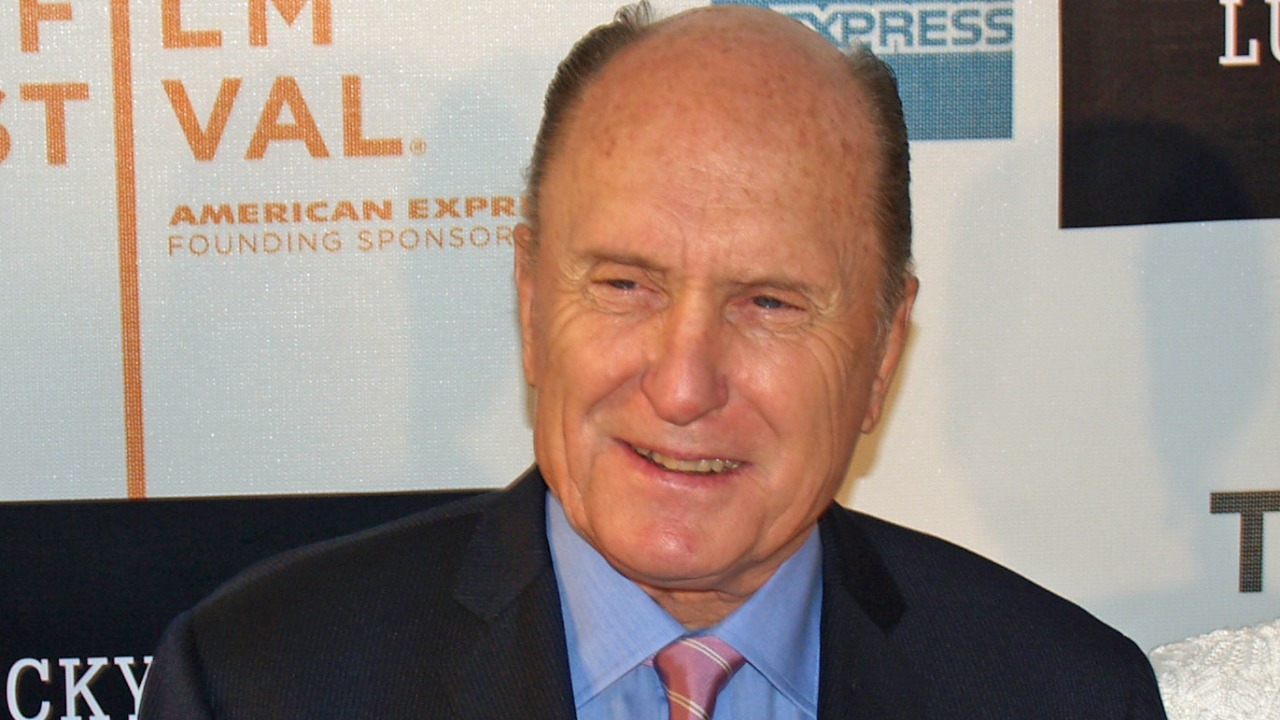
Reuters, the AP, and reference works such as Britannica all point to the same conclusion: Robert Duvall leaves behind one of the great screen careers. Not the loudest. Not the most self-mythologizing. Simply one of the richest. For audiences, his death is the loss of a legend. For actors, it is the loss of a standard that will be hard to match. Robert Duvall’s passing closes more than a remarkable run of credits. It also marks the loss of a particular kind of American actor, one shaped by stage discipline, character-first instincts and a willingness to move between leading and supporting parts without treating one as lesser than the other. He could anchor a classic, elevate a modest production or walk into a single scene and make it feel heavier, truer and more complete.
His body of work mapped something broader about American storytelling. He played lawyers, soldiers, ranchers, preachers, enforcers, drifters and fathers, often locating the tension between public duty and private damage. Whether in the Corleone family’s orbit, the chaos of Vietnam in Apocalypse Now, or the lonely redemption story of Tender Mercies, he kept finding characters whose flaws and virtues were tangled together. That refusal to simplify people may be the deepest thread running through his career.
Reuters, Associated Press and reference works such as Encyclopaedia Britannica point to the same conclusion: Robert Duvall leaves behind one of the great screen careers. Not the loudest. Not the most self-mythologizing. Simply one of the richest. For audiences, his death is the loss of a legend. For actors, it is the loss of a standard that will be hard to match.
Robert Duvall’s passing closes more than a remarkable run of credits. It also marks the loss of a particular kind of American actor, one shaped by stage discipline, character-first instincts and a willingness to move between leading and supporting parts without treating one as lesser than the other. He could anchor a classic, elevate a modest production or walk into a single scene and make it feel heavier, truer and more complete.
His body of work mapped something broader about American storytelling. He played lawyers, soldiers, ranchers, preachers, enforcers, drifters and fathers, often locating the tension between public duty and private damage. Whether in the Corleone family’s orbit, the chaos of Vietnam in Apocalypse Now, or the lonely redemption story of Tender Mercies, he kept finding characters whose flaws and virtues were tangled together. That refusal to simplify people may be the deepest thread running through his career.
Robert Duvall leaves behind one of the great screen careers. Not the loudest. Not the most self-mythologizing. Simply one of the richest. For audiences, his death is the loss of a legend. For actors, it is the loss of a standard that will be hard to match.