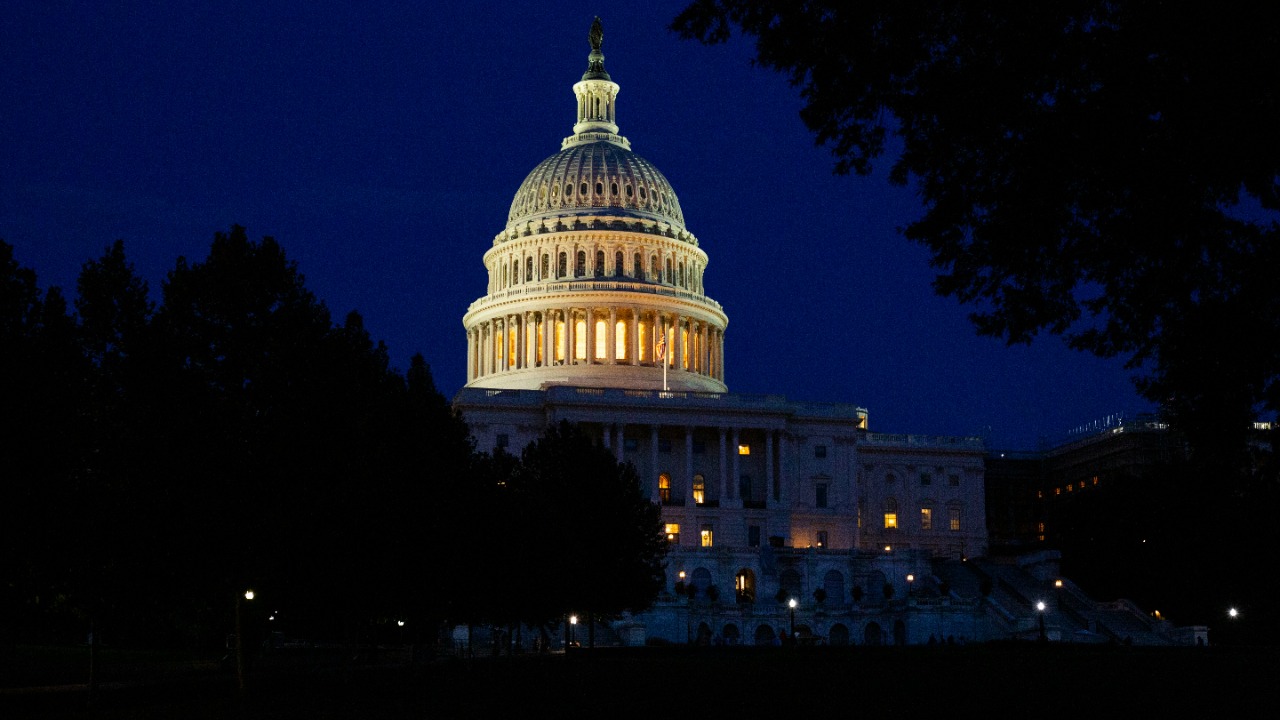
A partial shutdown of the U.S. government began just after midnight after Congress failed to get a funding package across the finish line before the deadline, opening a new fiscal standoff that left several departments entering shutdown procedures while lawmakers insisted the lapse could still be brief.
The immediate problem was not that Washington had no plan at all. The Senate had already approved a package to fund most of the government through the rest of the fiscal year while extending Department of Homeland Security funding for two more weeks.
But the House did not act in time, guaranteeing a lapse in appropriations for affected agencies and throwing federal workers, contractors and travelers into another round of uncertainty.
Why the shutdown started
A partial shutdown of the U.S. government began just after midnight after Congress failed to get a funding package across the finish line before the deadline, opening a new fiscal standoff that left several departments entering shutdown procedures while lawmakers insisted the lapse could still be brief.
The immediate problem was not that Washington had no plan at all. The Senate had already approved a package to fund most of the government through the rest of the fiscal year while extending Department of Homeland Security funding for two more weeks.
But the House did not act in time, guaranteeing a lapse in appropriations for affected agencies and throwing federal workers, contractors and travelers into another round of uncertainty.
What is affected, and what is not
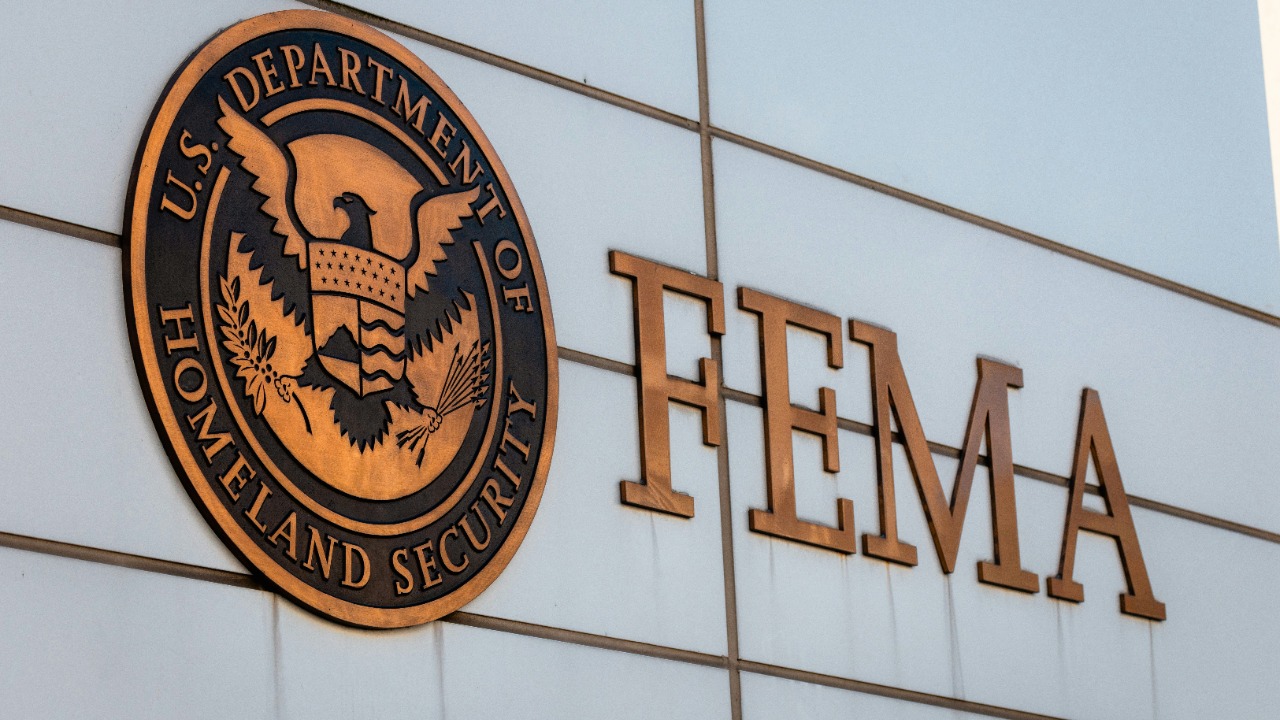
This is not the kind of shutdown that instantly freezes every visible corner of government. The impact is partial, not total, and that matters. Some agencies and programs already had funding in place, while others were forced to begin winding down nonessential work as the clock hit 12:01 a.m.
The shutdown affects parts of the federal government, including the Pentagon, the Transportation Department and Homeland Security, among other operations covered by the unfinished appropriations bills.
At the same time, some essential services continue because agencies are required to keep functions tied to safety, security and protection of life and property operating even during a lapse. For workers, that means the familiar split between those who are furloughed and those who are ordered to stay on the job without immediate pay.
The broader federal playbook spells out how pay, leave and benefits are handled during a lapse in appropriations, and agencies were also circulating their own shutdown instructions ahead of the deadline.
The immediate public effect may be uneven at first. Passport operations, air traffic control, security functions and disaster response do not simply disappear at midnight. But the longer a shutdown lasts, the more strain begins to show in staffing, contracting, administrative processing and morale.
Why Homeland Security is still at the center of the fight
Even though the shutdown now reaches beyond DHS, homeland security remains the political core of the dispute. The Senate deal kept that department on a shorter leash than the rest of government because negotiators still had not resolved the underlying immigration fight.
Democrats wanted tougher restrictions on federal immigration operations, including requirements related to warrants, body cameras and facial coverings during raids. Republicans signaled openness to some changes, but not to the full set of demands.
That disagreement turned Homeland Security funding into the pressure point of the broader budget fight. That matters because DHS is not an abstract bureaucracy. It houses airport security, border operations, disaster response, cybersecurity functions, the Secret Service and immigration enforcement.
A temporary extension for the department may sound narrow in legislative terms, but it covers services that touch daily life quickly and visibly if disruptions begin to spread.
The politics of a narrow miss
There is also something especially frustrating about this shutdown from a public-facing standpoint: lawmakers were close enough to claim progress while still allowing funding to lapse. The Senate had acted. The White House had helped broker a framework. Congressional leaders were already talking about a short shutdown rather than a prolonged one.
That does not make the lapse less real for the people affected by it. Federal employees do not pay rent with promises that a deal is almost done. Contractors cannot always absorb a pause just because leadership expects the shutdown to end in a few days.
And the stop-start nature of Washington budgeting creates its own damage, even when the disruption is shorter than the longest shutdowns in recent memory. White House budget officials had already been sending agencies guidance ahead of the likely lapse, a sign officials believed the deadline might be missed even as negotiations continued.
In practical terms, once that machinery starts moving, agencies and workers still have to live through the consequences.
What happens next

The likeliest off-ramp is still the Senate-backed package, assuming House leaders can assemble the votes needed to pass it quickly. That would reopen the affected parts of government while buying negotiators extra time to keep fighting over Homeland Security.
But even if that happens soon, the larger story will not be over. A short-term extension for DHS would only postpone the hardest question in the fight: whether Congress can reach a real settlement over immigration enforcement without dragging the government back to the edge again.
That is what gives this shutdown more weight than a simple missed deadline. It is not just a story about procedural delay. It is a story about how a political battle over enforcement powers, public accountability and border policy spilled directly into the government’s ability to keep itself funded on time.
For now, the shutdown is partial, the disruption may be limited at first, and both parties are still signaling that a fix is possible. But at midnight, possibility gave way to reality. Parts of the U.S. government shut down because Congress did not get the deal done when it mattered most.