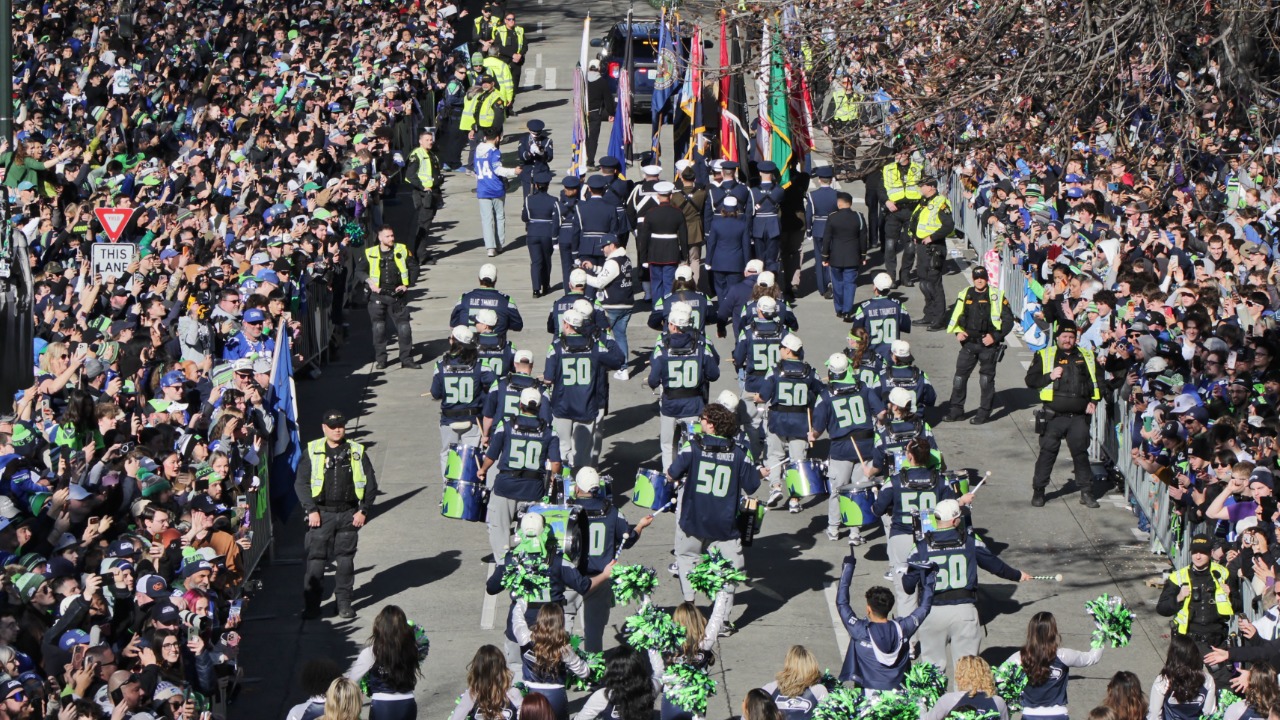
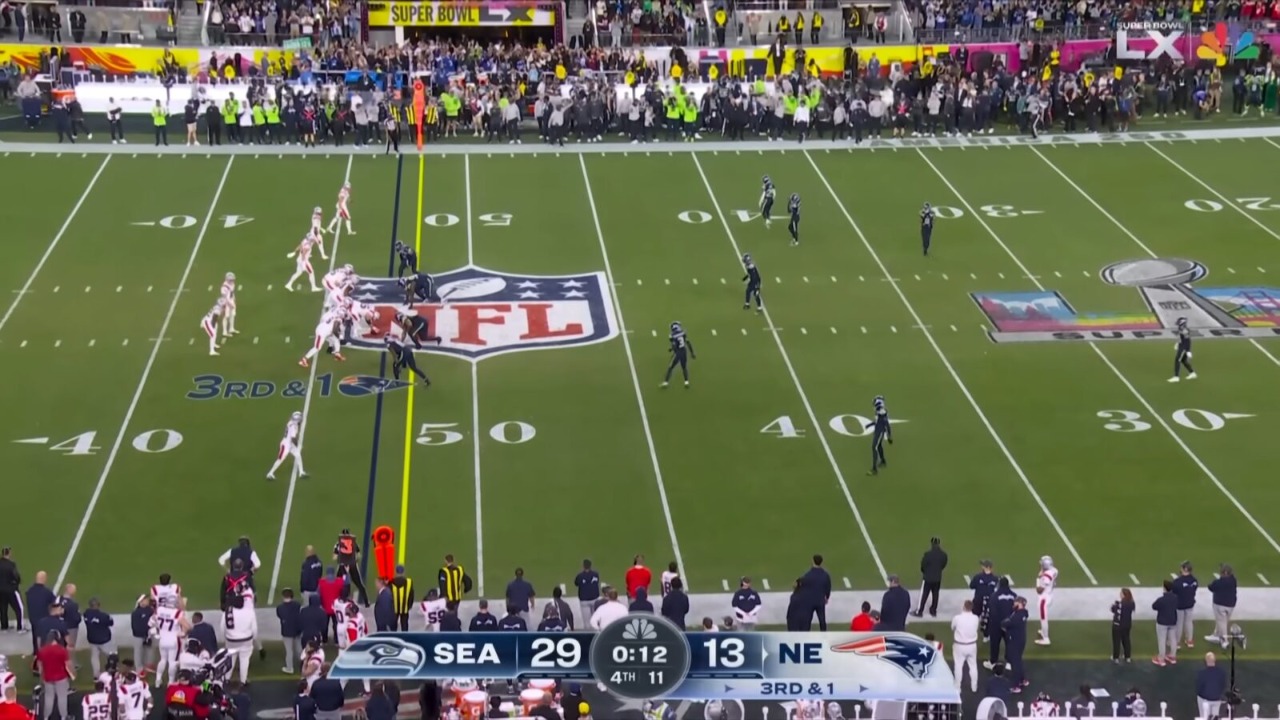
The Seattle Seahawks are champions again. Seattle beat the New England Patriots 29-13 in Super Bowl LX on Feb. 8, 2026. They claimed the second title in franchise history behind a bruising rushing performance from running back Kenneth Walker III and a defense that took control of the game long before the final whistle. Walker was named Super Bowl MVP after carrying Seattle’s offense for much of the night, and the Seahawks’ front turned the Patriots’ final push into a dead end rather than a late-game rally.
It was not the kind of Super Bowl built on nonstop downfield fireworks. It was built on field position, pressure and a running game that kept showing up in the biggest moments. Seattle scored only one offensive touchdown, but it never needed a shootout. The Seahawks dictated the rhythm early, stretched the lead methodically and ended the night with the kind of defensive dagger that leaves no room for debate.
Walker set the tone and never let New England reset
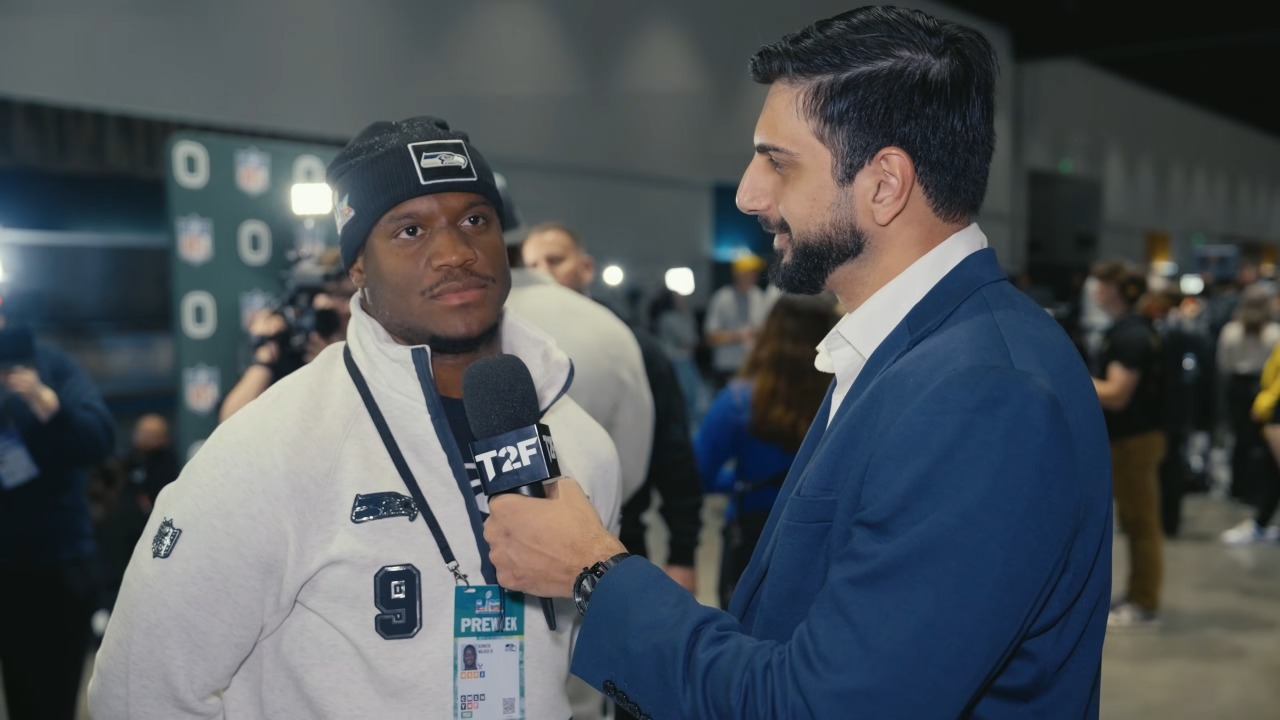
Walker finished with 135 rushing yards on 27 carries and added 26 receiving yards, giving him 161 yards from scrimmage in the biggest game of the season. According to the NFL’s official MVP recap, he became the first running back to win Super Bowl MVP since Terrell Davis and had the most rushing yards in the game since Super Bowl XXXII.
Walker broke off gains of 30 and 29 yards in the second quarter, flipping field position and helping Seattle turn a tense start into a two-score cushion. The official gamebook shows those runs came on a drive that moved the Seahawks into scoring range after Sam Darnold opened the possession with an incompletion. Instead of stalling, Seattle leaned on Walker, and Jason Myers finished the drive with one of his five field goals.
Darnold did not have to carry the offense because Walker handled the workload. He turned ordinary snaps into chain-moving runs, kept New England’s defense from settling in and allowed Seattle to stay patient even when drives ended with kicks instead of touchdowns. In a championship setting, that kind of control can be more damaging than a quick-strike passing attack.
Seattle’s defense turned pressure into separation
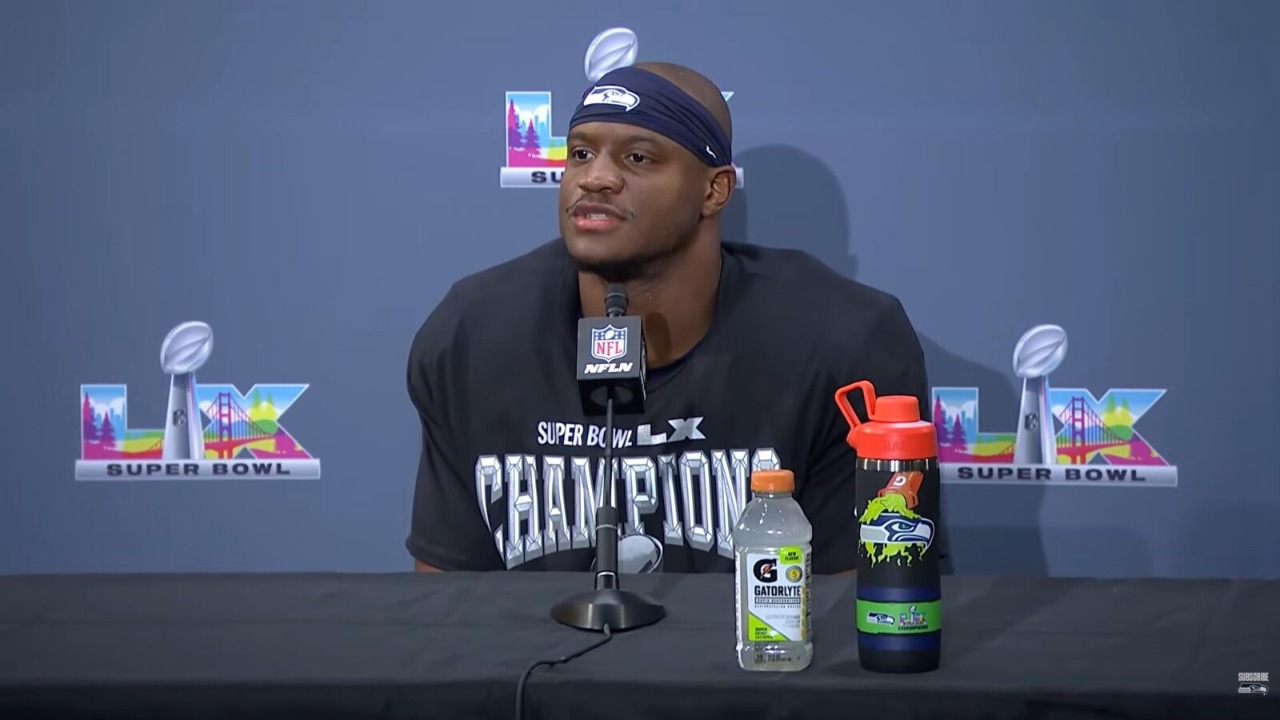
If Walker gave the Seahawks their identity on offense, the defense gave them the game.
New England did not score until the fourth quarter. By then, Seattle had built a 19-0 lead and forced the Patriots into the kind of game they did not want to play. The NFL’s postgame analysis noted how effectively Seattle’s defense pressured the Patriots while Walker paced the offense.
The gamebook shows the Seahawks finished with six sacks, forced a fumble, intercepted Drake Maye twice and limited New England to 79 rushing yards while repeatedly winning at the line of scrimmage.
The most important defensive sequence came late in the third quarter. With the Patriots still searching for their first points, Derick Hall sacked Maye and forced a fumble that Byron Murphy recovered at the New England 37. A few plays later, Darnold found rookie tight end AJ Barner for a 16-yard touchdown early in the fourth quarter, pushing the margin to 19-0.
Even when New England answered with a quick scoring strike to Mack Hollins, Seattle never looked rattled. The Seahawks continued to force Maye to throw into traffic and under pressure. The knockout blow came with 4:37 remaining, when Uchenna Nwosu intercepted a pass intended for Kayshon Boutte and returned it 45 yards for a touchdown. At that point, the scoreboard matched the feel of the game.
A second Lombardi, and a very different path back
Seattle’s first Super Bowl title came after the 2013 season, when the Legion of Boom overwhelmed Denver. This championship looked different, but the formula was familiar. The Seahawks won with physical football, a punishing run game and a defense that made every Patriots possession more difficult.
The result also carried extra weight because of the opponent. Seattle’s previous Super Bowl meeting with New England ended in heartbreak a decade earlier. This time, there was no late collapse and no single snap replayed from the wrong angle. The Seahawks were better for most of the night.
The official NFL game center reflects that control: Seattle led 9-0 at halftime, stretched it to 12-0 after another Jason Myers field goal and never let the Patriots play from a position of comfort.
That matters for how this title will be remembered. It was not decided in the final minutes. It was built possession by possession.
New England reached the stage, but could not match the terms
The Patriots did enough to reach the Super Bowl, and that alone marked a significant step for a team that had spent recent years trying to climb back into contention. But the game exposed the difference between arriving and finishing.
New England stayed close in total yards, 335-331, but that number flatters its performance. Much of the Patriots’ production came after Seattle established control. The gamebook shows New England had no answer for the Seahawks’ pass rush early, managed only 51 total net yards in the first half and fell behind without creating sustained pressure on the other side of the ball.
Maye showed flashes, especially on a fourth-quarter touchdown pass to Mack Hollins, but Seattle never allowed those moments to build into momentum. Too many drives ended with punts, sacks or mistakes, and too many obvious passing situations allowed the Seahawks’ defense to attack downhill. Against a balanced opponent playing from ahead, that is a losing formula.
A championship that made Seattle’s identity impossible to miss
Super Bowl LX did not belong to one spectacular trick play or a wild comeback. It belonged to a team that knew how it wanted to play and never drifted from that plan.
Walker gave Seattle a centerpiece, Jason Myers delivered a perfect night as a kicker and the defense turned steady control into a decisive finish. The final score was 29-13, but the game felt more lopsided because Seattle controlled the situations that decide championship football: early-down rushing, field position, pass rush and composure.
For the Seahawks, that is what gives this title lasting weight. It was not a short-term surge. It was a complete performance on the biggest stage and one that restored the franchise to the top of the league with a style that was rugged, disciplined and built for January and February.