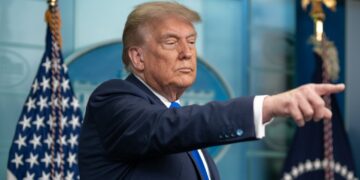
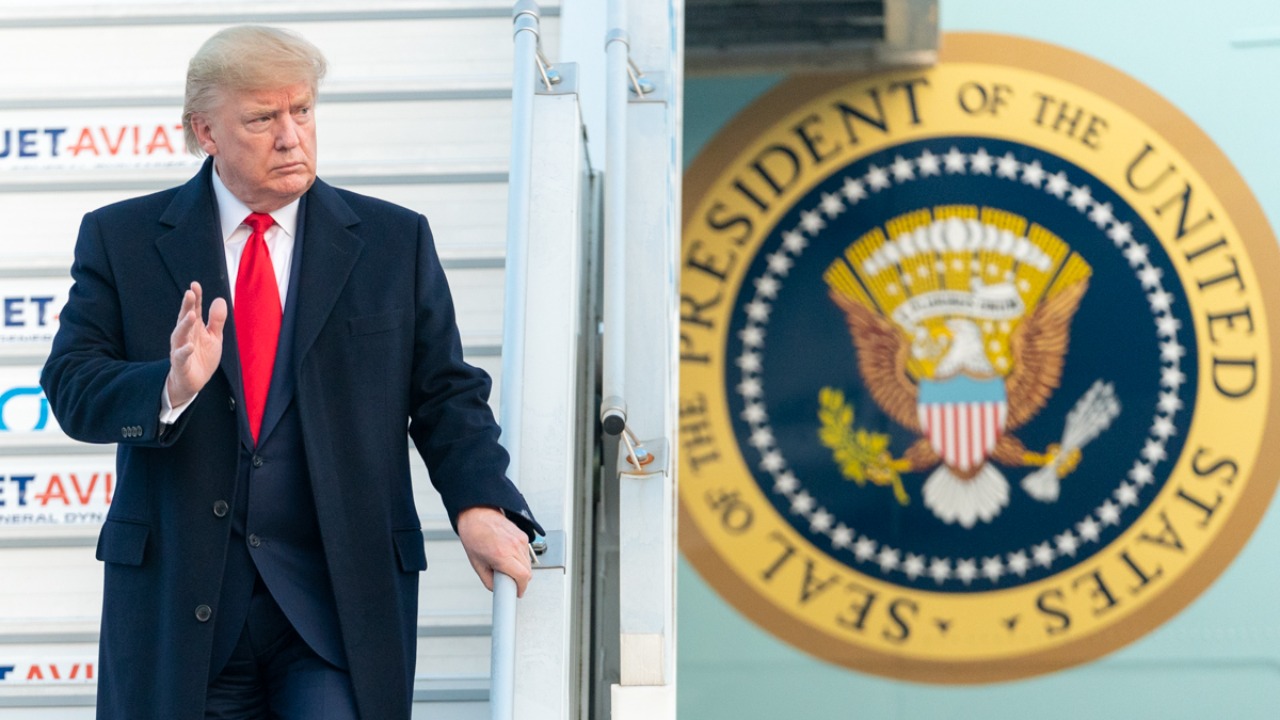
President Donald Trump used his special address at the World Economic Forum in Davos to turn Greenland from a long-running geopolitical fixation into the centerpiece of a wider argument about what the United States deserves from its allies. In a speech that blended security warnings, alliance grievances and transactional rhetoric, Trump said Washington had spent decades protecting Europe while getting little in return, then framed control of Greenland as a reasonable strategic demand rather than an extraordinary break with allied norms.
It immediately sharpened a dispute that had already been building for weeks. Denmark and Greenland had entered the forum on edge after high-level talks in Washington failed to change the administration’s position, while European leaders had been signaling that any attempt to treat Greenland as a bargaining chip would be met with resistance. By the time Trump took the stage, the issue was no longer just about one Arctic island. It had become a test of how far the White House was willing to push a transactional view of Western security.
Trump turns Greenland into the main event
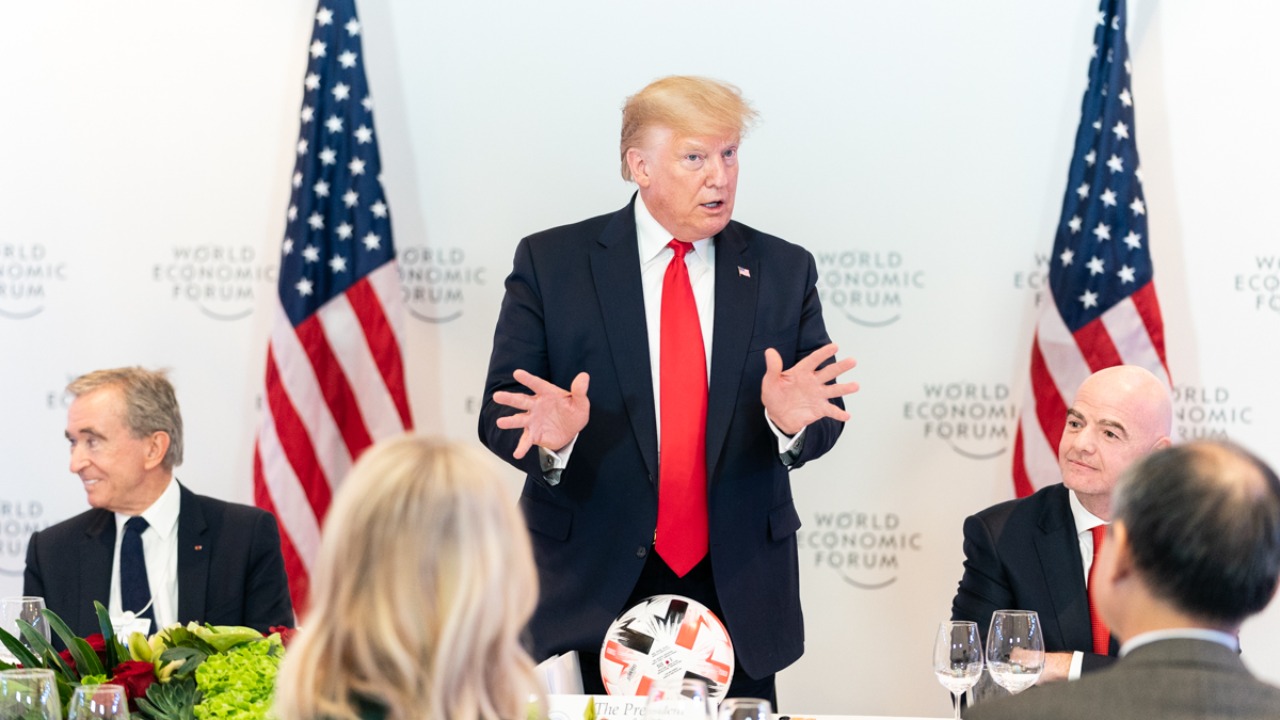
According to the World Economic Forum transcript, Trump argued that NATO allies had benefited for years from American protection and that Washington was now justified in seeking “right, title and ownership” of Greenland. He described the island as vital to world protection and cast Europe’s resistance as yet another example of allies expecting the United States to carry the burden while refusing meaningful concessions.
The language gave the address its combative edge. Trump did not present Greenland as a narrow military-access question or a dispute over basing rights. He made it sound like a referendum on whether allies repay American power with strategic cooperation or with obstruction. In that framing, Denmark was not simply disagreeing with Washington over sovereignty. It was standing in the way of a U.S. security demand that Trump believes should be self-evidently acceptable after decades of American military support for Europe. At the same time, the Davos transcript also shows Trump saying he would not use force in his attempts to acquire Greenland, a notable distinction that makes the speech more politically combustible than militarily explicit. Even without a direct threat of invasion from the Davos stage, the underlying message was confrontational enough: if allies want the United States to remain the ultimate guarantor of Western security, then they should not rule out American claims on territory Trump considers strategically indispensable.
Denmark’s answer is that sovereignty is not negotiable
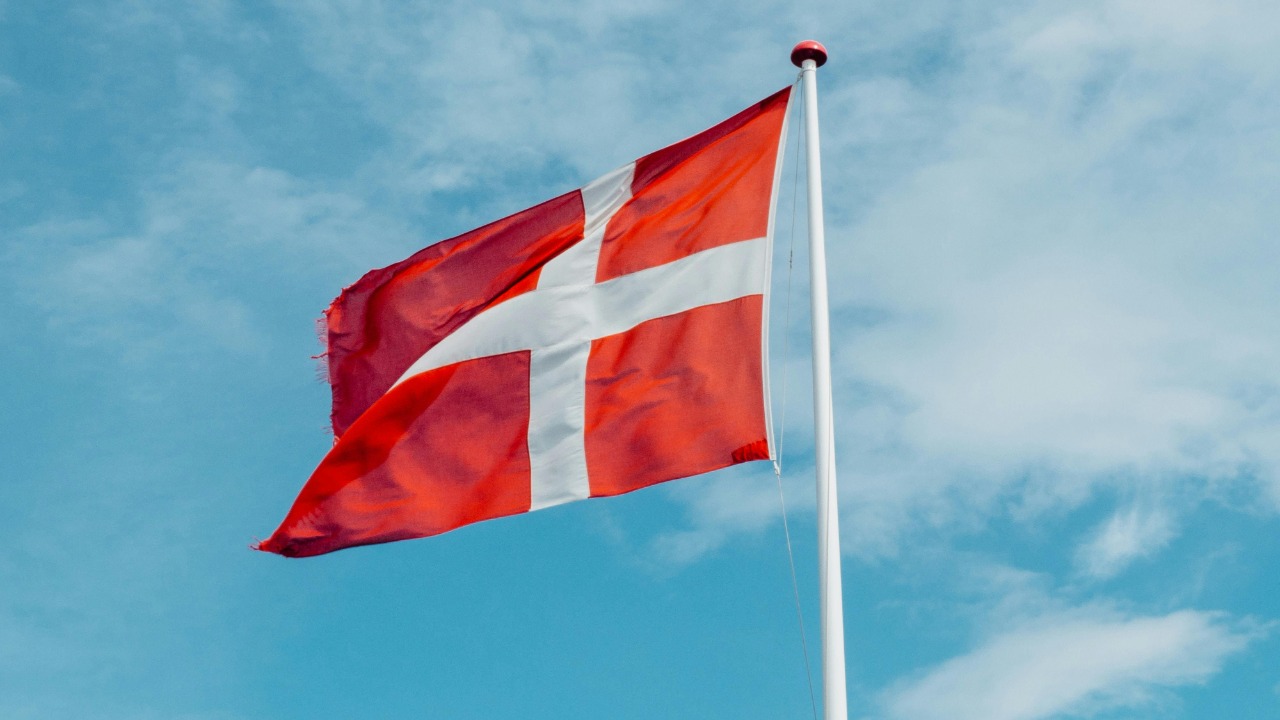
The sharpest rebuttal had already come into view before Trump arrived in Davos. In Washington the previous week, Danish Foreign Minister Lars Løkke Rasmussen and Greenlandic Foreign Minister Vivian Motzfeldt met Vice President J.D. Vance and Secretary of State Marco Rubio, only to emerge saying the two sides still had a “fundamental disagreement” over Greenland’s future, according to Reuters.
It signals the dispute is not about valuation, access fees or incremental burden-sharing. Copenhagen and Nuuk are treating the question as one of sovereignty and self-determination. Reuters reported that Rasmussen said the U.S. position had not changed and that Trump’s desire to take control of Greenland remained unacceptable. Denmark and Greenland also rejected the administration’s implication that the island’s security could be guaranteed only through a transfer of ownership, insisting instead that defense issues should be handled among allies rather than through coercive pressure.
That is why Trump’s Davos speech landed so hard. There was no ambiguity left to hide behind. After the Washington talks, European officials already knew the administration was serious. After Davos, they also knew Trump was prepared to sell the dispute publicly as a test of gratitude inside the alliance.
Europe had already begun to close ranks
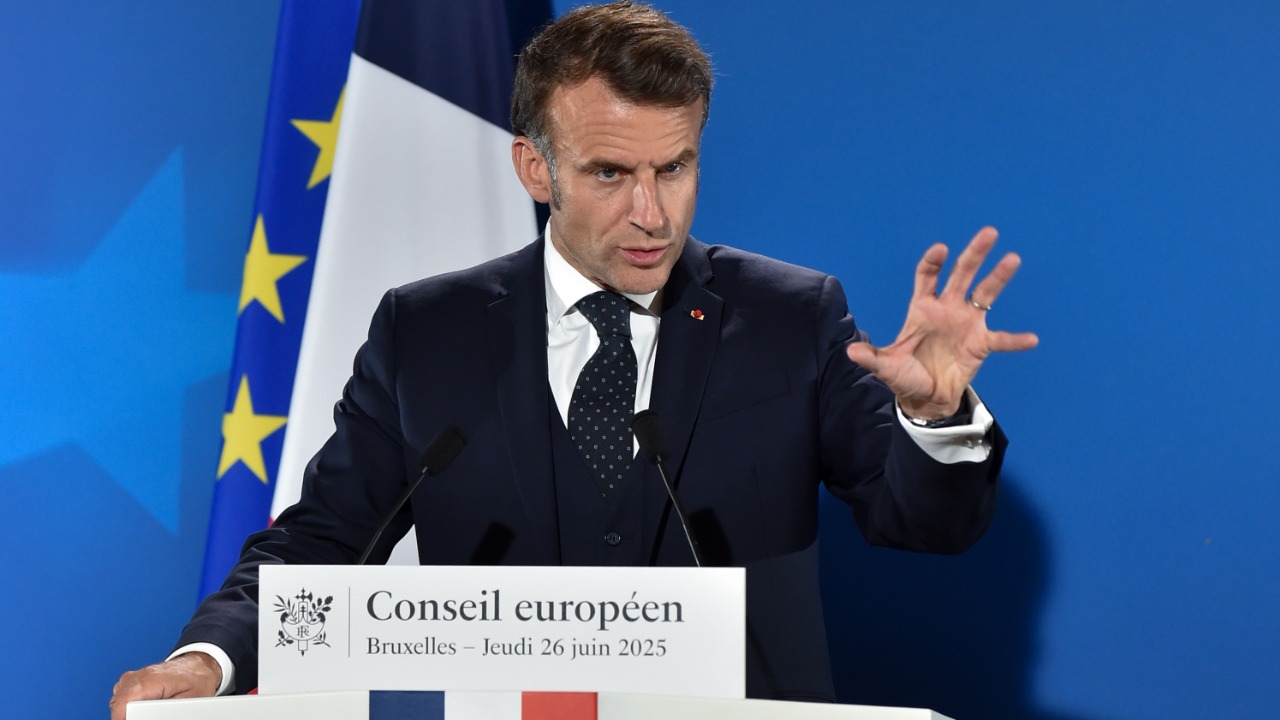
The speech also arrived after a visible show of European solidarity. In June 2025, French President Emmanuel Macron visited Greenland in a trip that Reuters described as a signal of European resolve after Trump’s annexation threats. During that visit, Macron said Greenland was “not to be sold, not to be taken,” underscoring that Europe wanted to make the island’s status a broader continental concern rather than a bilateral standoff between Washington and Copenhagen.
Greenland is no longer viewed in Europe as a distant outpost sitting at the edge of the map. It is increasingly seen as part of a strategic Arctic frontier shaped by shipping routes, critical minerals, military surveillance and great-power rivalry. Macron’s visit put political weight behind the idea that any change in Greenland’s status would affect the whole European security architecture, not just Denmark’s relationship with the United States. Trump’s Davos remarks therefore did more than irritate one ally. They challenged an emerging European consensus that Arctic security has to be managed through cooperation, not public pressure from Washington for territorial control.
The deeper rupture is about how Trump defines alliance loyalty
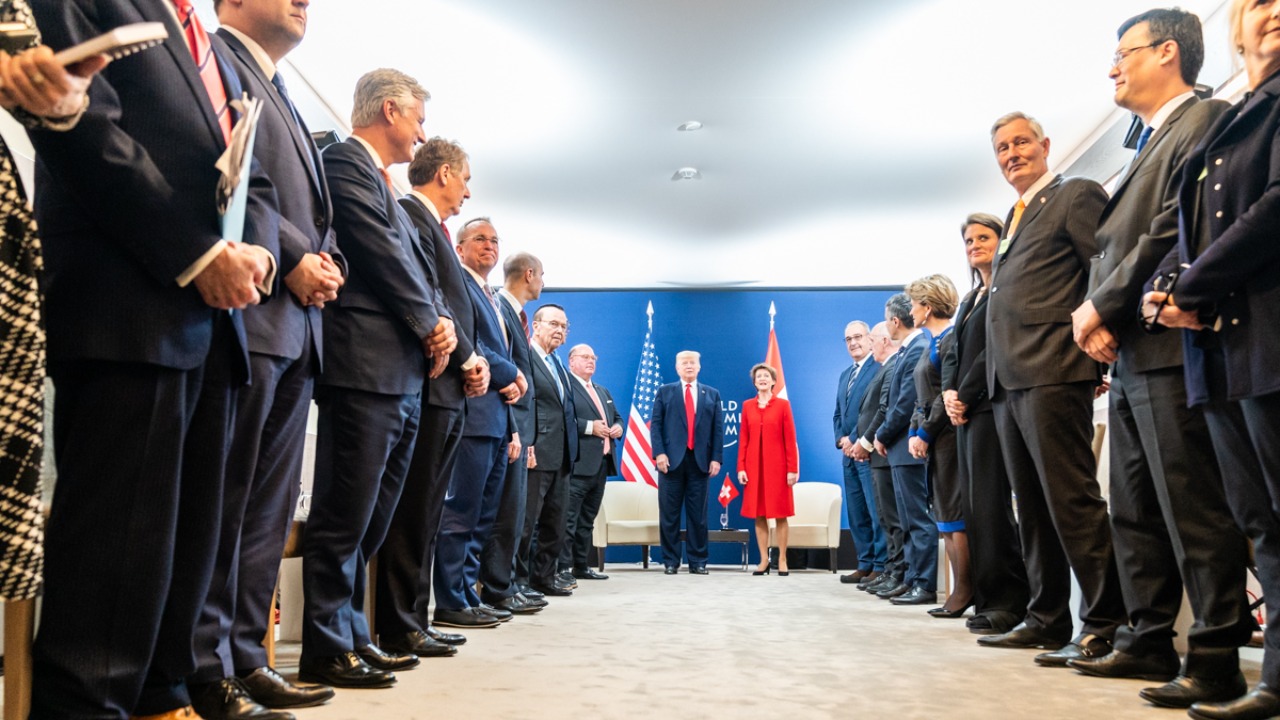
What made the speech consequential was not only the headline-grabbing language about Greenland. It was the theory of alliances sitting underneath it. In the Davos transcript, Trump argued that the United States had protected Europe for years while receiving little in return, and he openly linked future support to concrete strategic gain. That is a much harder line than the traditional American complaint that allies should simply spend more on defense.
The broader discussion at Davos reflected how destabilizing that shift has become. In a separate panel transcribed by NATO, the moderator introduced the debate by saying Europe’s defense question had been thrust to the forefront as Trump threatened allies over Greenland.
Even allowing for the fact that line came from a moderator rather than a formal NATO statement, the framing captured the mood surrounding the forum: Greenland had become shorthand for a much larger fear that the alliance’s internal rules were being rewritten in real time. This is the real significance of Trump’s speech. He did not just argue that Greenland matters to U.S. security.
He argued that America’s role as Europe’s protector gives Washington standing to demand ownership of strategically valuable territory from within the alliance itself. For Denmark, that is a nonstarter. For Europe more broadly, it is a warning that burden-sharing fights may no longer stop at defense budgets or trade imbalances. As a result, the Davos address is likely to be remembered less as a one-off outburst than as a clear statement of method. Trump used one of the world’s highest-profile stages to tell allies that American protection is not an abstract commitment rooted only in shared values. In his telling, it is leverage. And in the Greenland dispute, he made plain that he expects that leverage to produce something tangible.