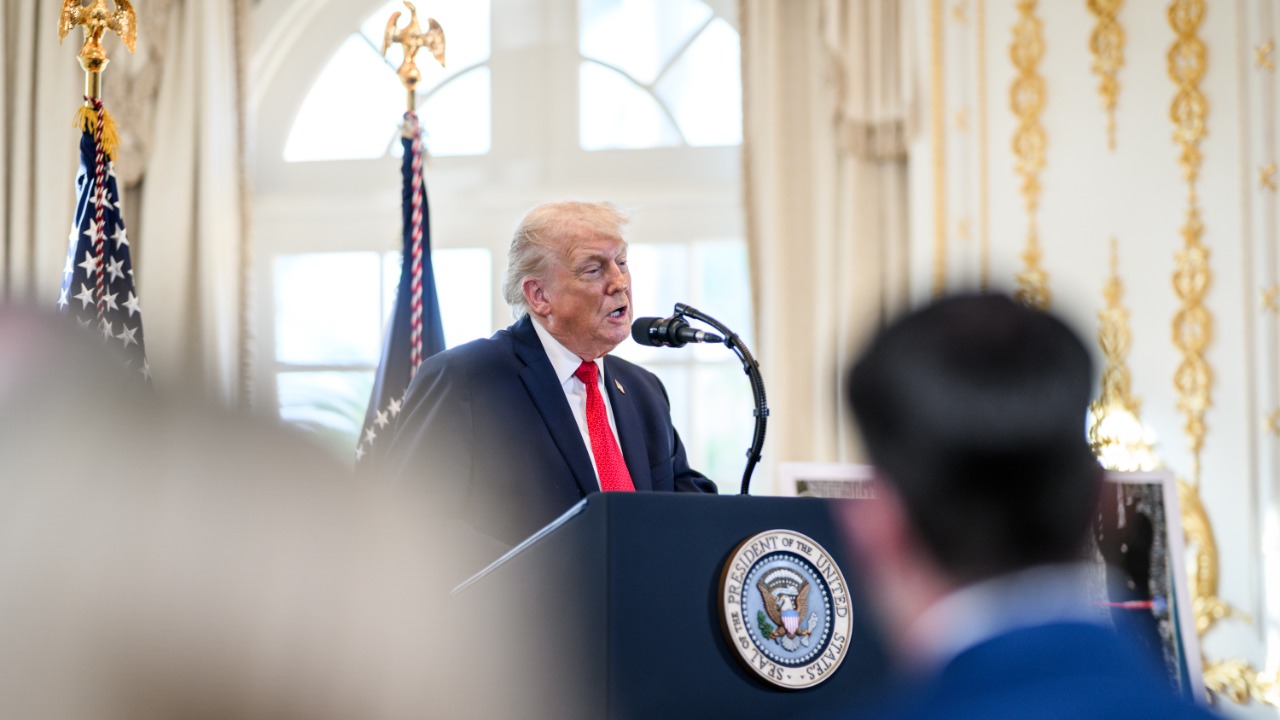
Donald Trump has signed a sweeping executive order aimed at pushing the federal government deeper into the mechanics of American elections. The measure directs federal agencies to assemble state-by-state lists of citizens eligible to vote in federal races and presses the U.S. Postal Service toward new national rules for how mail ballots are sent, tracked and processed.
That combination quickly turned what might have been another White House messaging effort into a constitutional dispute. Democratic election officials, voting rights advocates and legal scholars argued that the administration was moving into territory the Constitution largely leaves to the states and Congress. For a White House that has made election procedures a recurring focus of its post-2024 agenda, the order appears less like a routine policy change than the opening move in another courtroom battle
What the order actually does
The clearest place to start is the text of Executive Order 14399 in the Federal Register. It directs the Department of Homeland Security, working through U.S. Citizenship and Immigration Services and in coordination with the Social Security Administration, to compile a “state citizenship list” for each state. Under the order, those lists would draw on federal citizenship, naturalization and SAVE records and be sent to state election officials before regularly scheduled federal elections.
The order also states that those federal lists would not, by themselves, register anyone to vote. That distinction matters because it shows the administration is not formally creating a national voter roll in the traditional sense. But it would create something close: a federal eligibility screen that state officials would be expected to use while maintaining their own registration systems. The White House fact sheet frames that system as an election-integrity measure. Opponents argue it would serve as a federal back door into a process long administered at the state and local level.
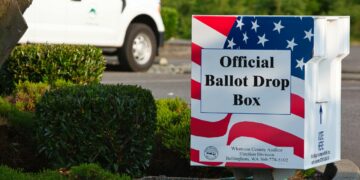
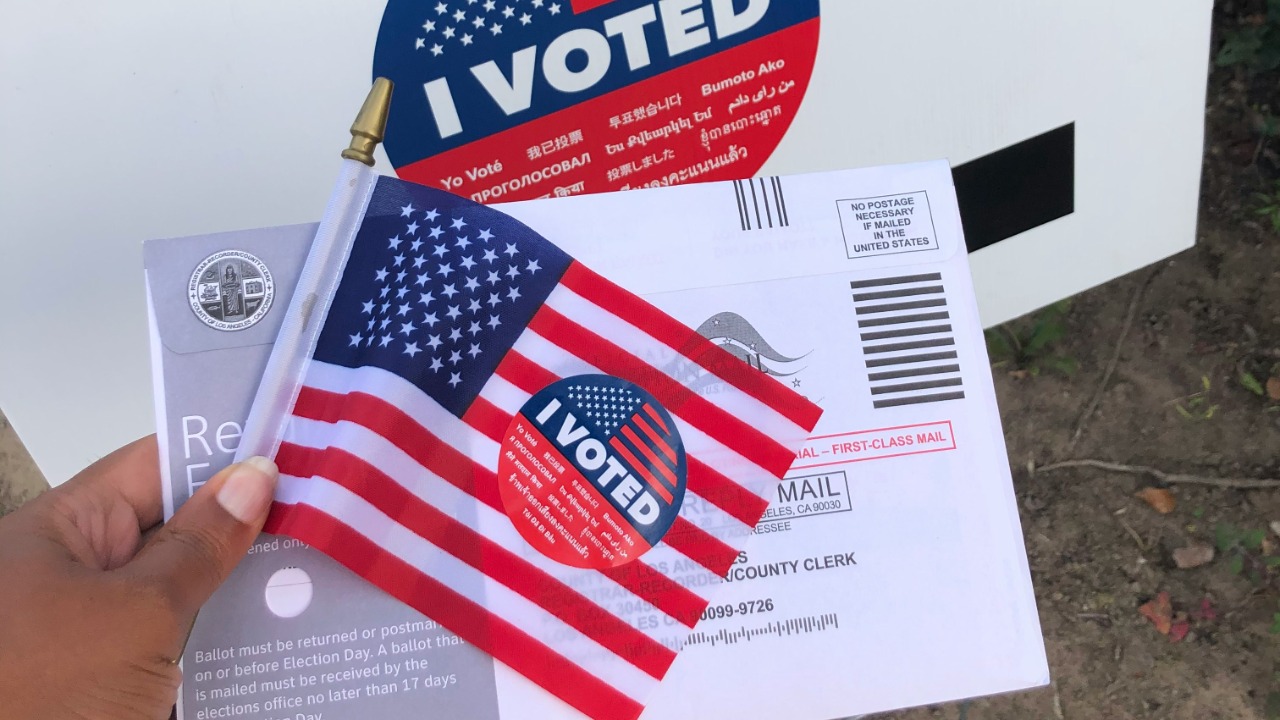
Section 3 goes further by directing the postmaster general to begin rulemaking on mail and absentee ballots. The proposal outlined in the order would require official election mail markings, automation-compatible envelopes and unique Intelligent Mail barcodes. It also contemplates state-specific participation lists that the Postal Service would use before transmitting mail ballots. In practice, that would move the U.S. Postal Service beyond its traditional role as a neutral carrier and toward a more direct role in ballot handling.
Why the backlash was immediate
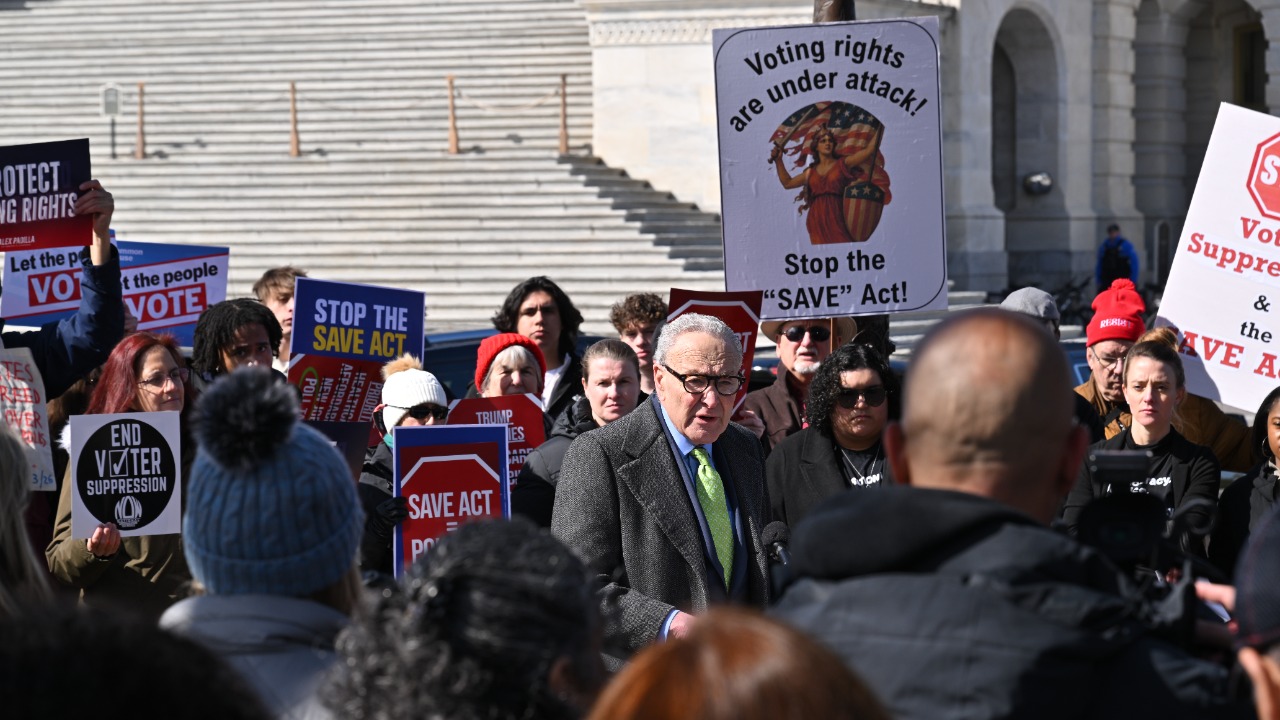
In reporting by the Associated Press reporting and Reuters reporting, election officials in states that rely heavily on mail voting said the order was unconstitutional, unworkable or both. Arizona Secretary of State Adrian Fontes said the federal government could not dictate who his state recognizes as eligible voters. Maine Secretary of State Shenna Bellows called the move unconstitutional. Officials in Oregon and Nevada also signaled resistance.
American elections are administered by states and thousands of local jurisdictions under a constitutional framework that gives states primary authority over the “times, places and manner” of federal elections, while allowing Congress, not the president, to alter those rules by statute. That is why legal critics focused on separation of powers and federalism rather than the technical details of barcodes and envelope design.
The political sensitivity is clear. Voting procedures have become one of the most contentious issues in national politics, and any move that appears to add a new federal layer over registration or ballot handling is likely to draw litigation. That is especially true when the White House acts through executive authority rather than legislation passed by Congress.
Where the order looks most vulnerable
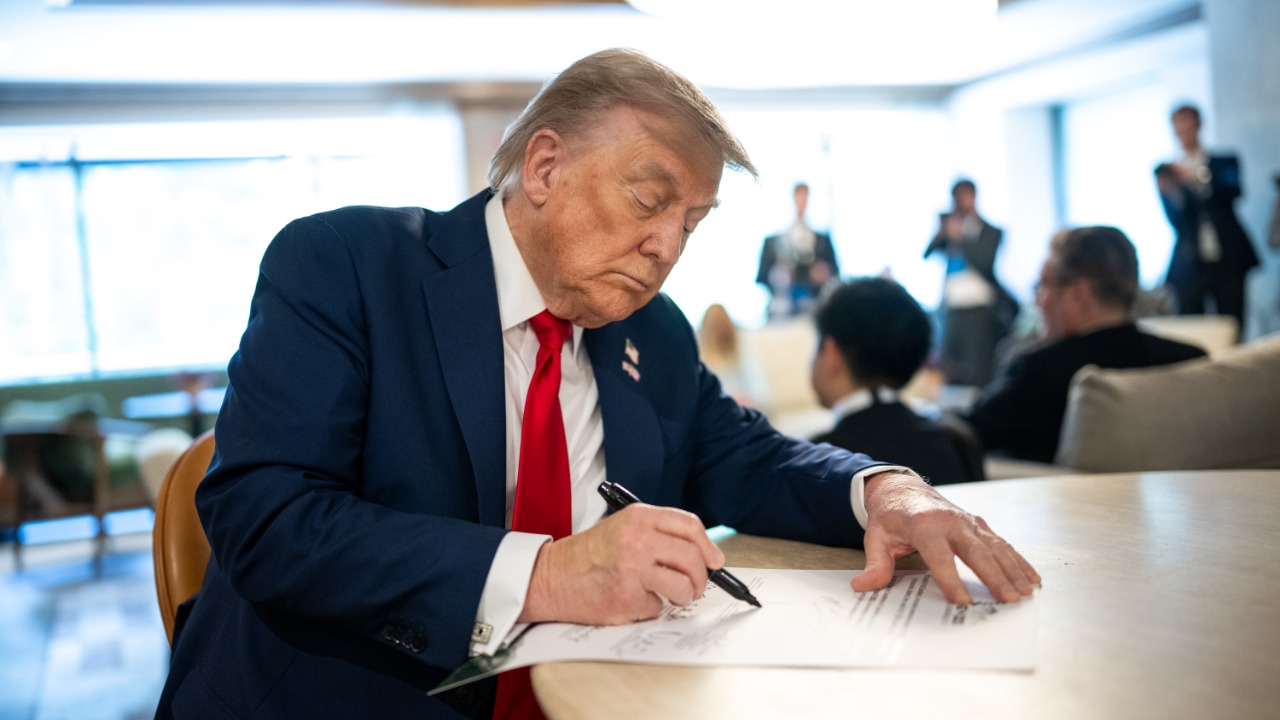
The central weakness is that the order asks the president to perform functions the Constitution generally assigns elsewhere. Donald Trump can direct executive agencies, but that does not automatically grant authority to rewrite election rules or require an independent postal system to enforce ballot eligibility. The U.S. Postal Service operates under a statutory framework created by Congress, and the order’s mail-ballot provisions appear to test the limits of that independence.
The administration is also relying on the assumption that federal databases can produce reliable citizenship determinations at scale. Coverage from the Associated Press notes that the SAVE system has drawn scrutiny over data quality and privacy concerns, particularly when used in large matching exercises. A federal list that is even slightly outdated could place state officials in the position of deciding whether to rely on their own records or a federally generated dataset that may not fully reflect moves, name changes, naturalizations or clerical errors.
The order states that individuals identified on the state citizenship list must still satisfy state law to be properly registered. That caveat may limit one line of legal challenge, but it also highlights the project’s constraints. If the federal list is not definitive, and state law continues to govern registration, the administration may need to explain the purpose of the additional layer beyond enforcement or deterrence.
This fight did not come out of nowhere
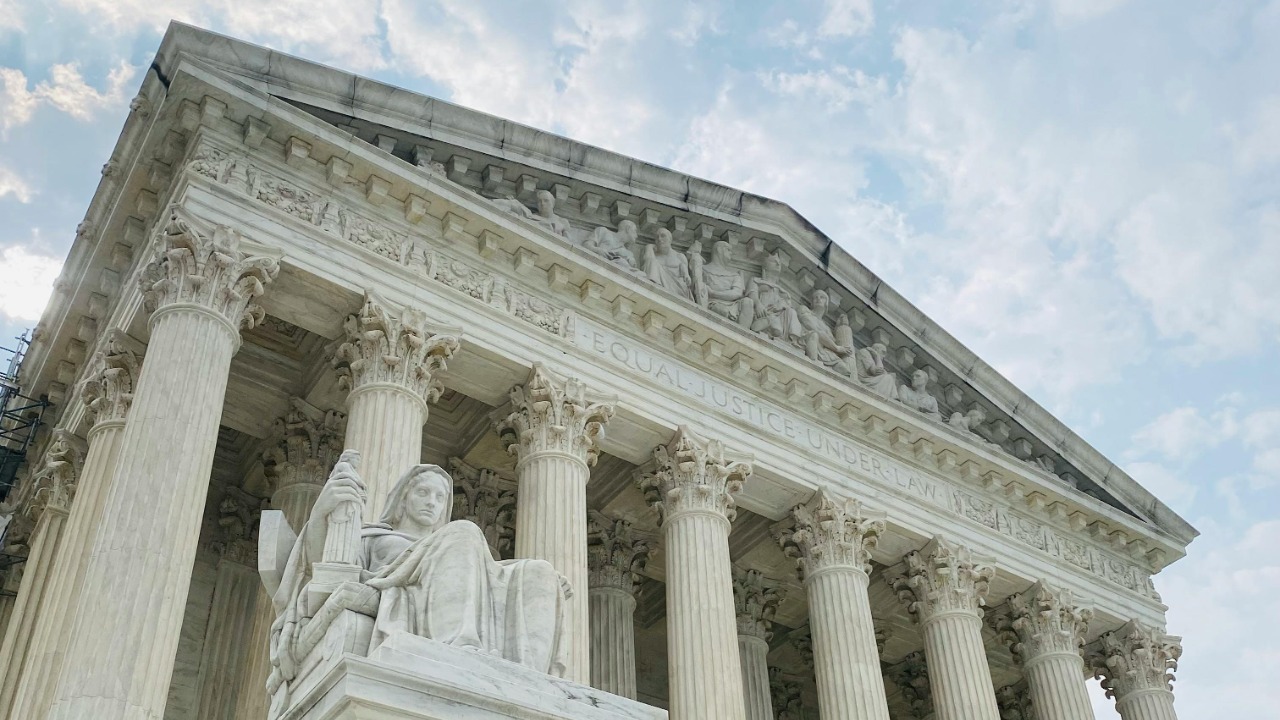
This order also arrives with recent legal baggage. Donald Trump issued a broad elections order in 2025, and federal courts later blocked parts of it, including provisions tied to citizenship checks and mail-ballot handling. The Brennan Center for Justice has tracked those cases and said the rulings reflect skepticism toward executive efforts to reshape election administration without congressional backing.
The language emphasizes rulemaking, data sharing and enforcement of existing law. But the practical effect could still be broad if agencies follow through. A federal citizenship list, combined with postal screening of ballot transmission, would move Washington deeper into election administration than presidents have traditionally gone.
What happens next
Legal challenges are already underway, and the next question is which part of the order will be tested first. The state-list provision is likely to face challenges over federalism, privacy and data reliability. The U.S. Postal Service section raises a separate issue: whether the president can pressure an independent agency to redesign how election mail operates nationwide.
The order seeks to turn concerns about election fraud into federal policy. Whether courts allow any portion of it to stand will shape how future federal elections are administered and how much authority presidents can claim over the mechanics of voting.
For now, the order is in effect, the constitutional questions are significant and the response is immediate. Even before the first major lawsuit is fully briefed, Executive Order 14399 is being treated as a test of the balance of power that has long defined how U.S. elections are administered.