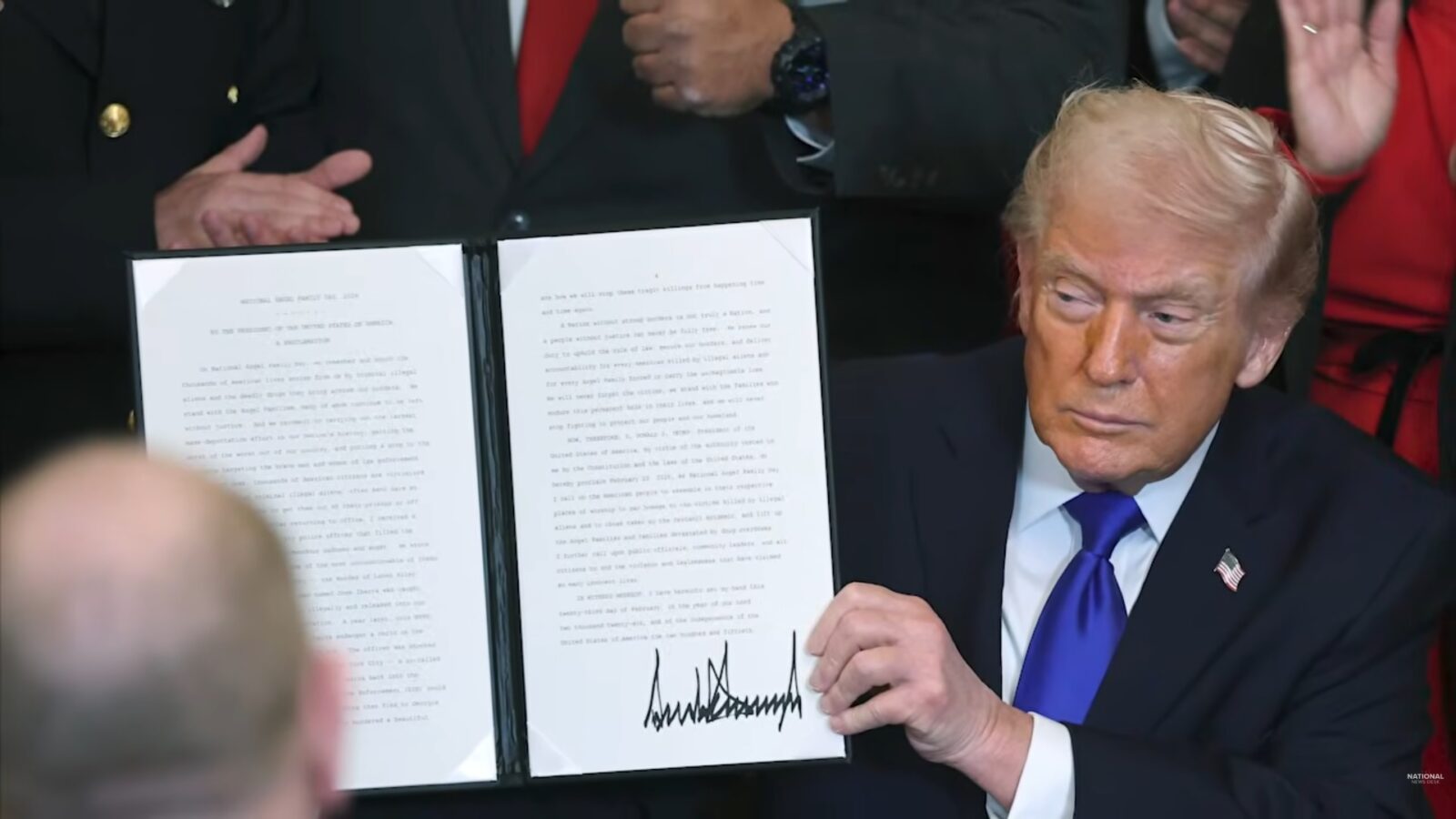
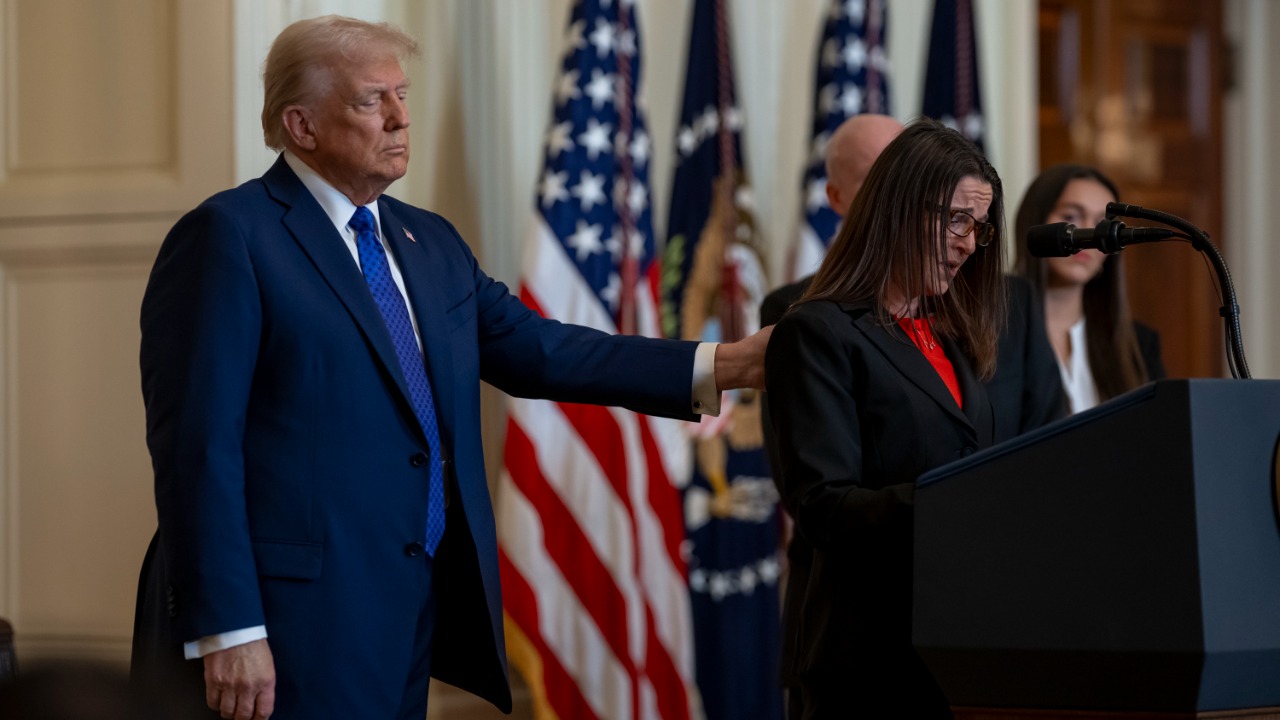
President Donald Trump has designated Feb. 22 as National Angel Family Day, using a presidential proclamation to honor families who have lost loved ones in crimes committed by people in the country illegally and in fentanyl-related deaths.
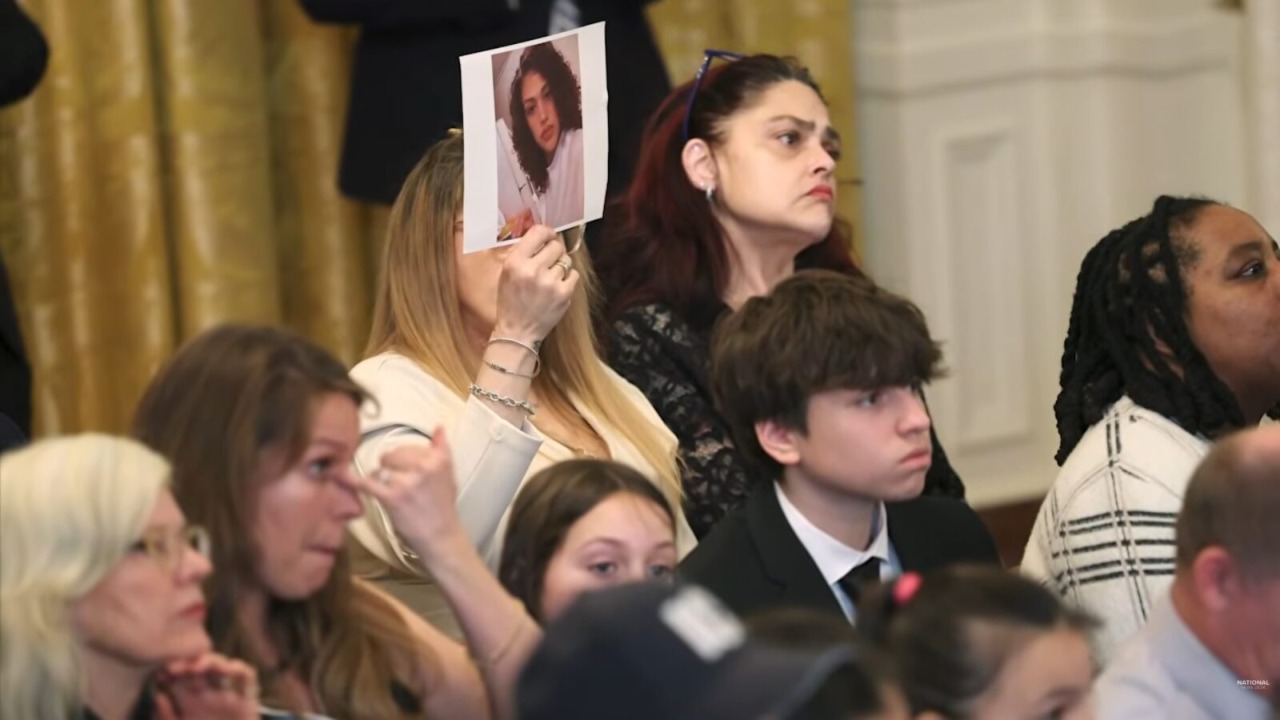
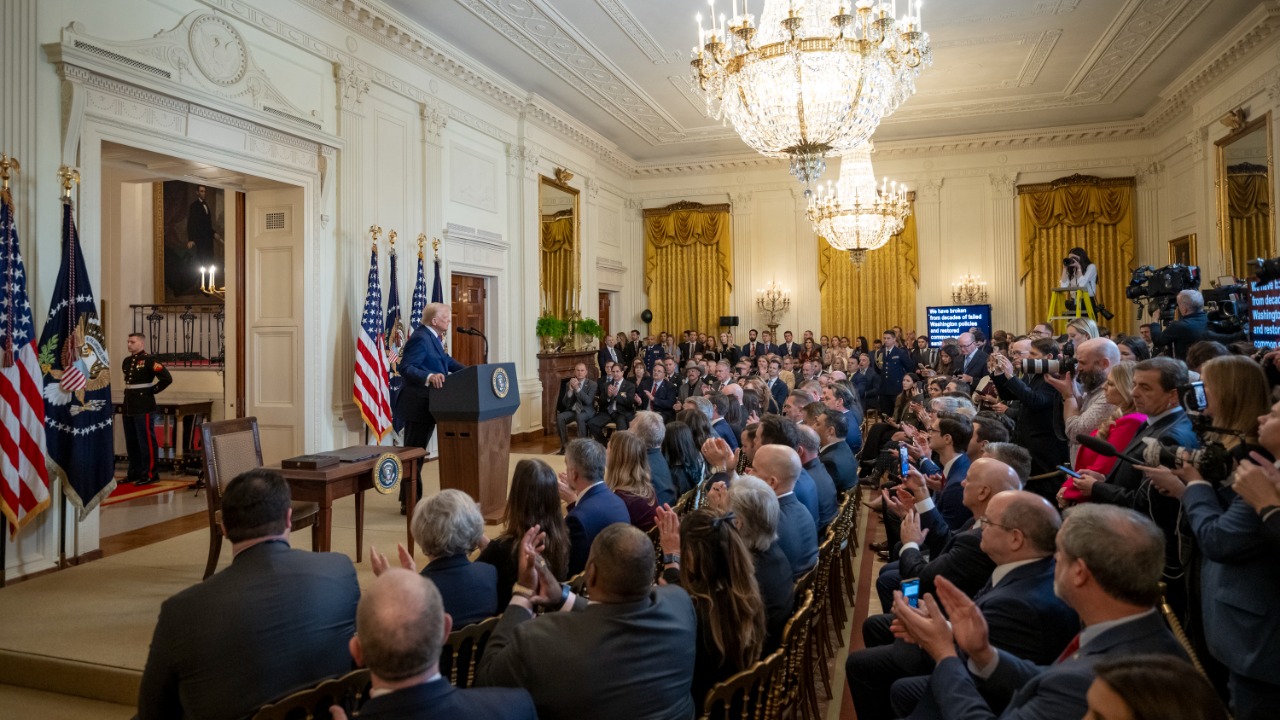
The announcement came at a White House ceremony focused on “Angel Families,” a term long used in immigration politics to describe relatives of Americans killed by undocumented immigrants.
In the proclamation, Trump cast the observance as both a memorial and a policy statement, tying personal loss to his administration’s broader border security agenda, giving the document more political force than a typical commemorative proclamation.
It does not create new law or funding, but it does place an official White House stamp on a message Trump has made central to his second-term immigration pitch: that border enforcement is not only about sovereignty, but also about preventing avoidable deaths.
What Trump’s Proclamation Says
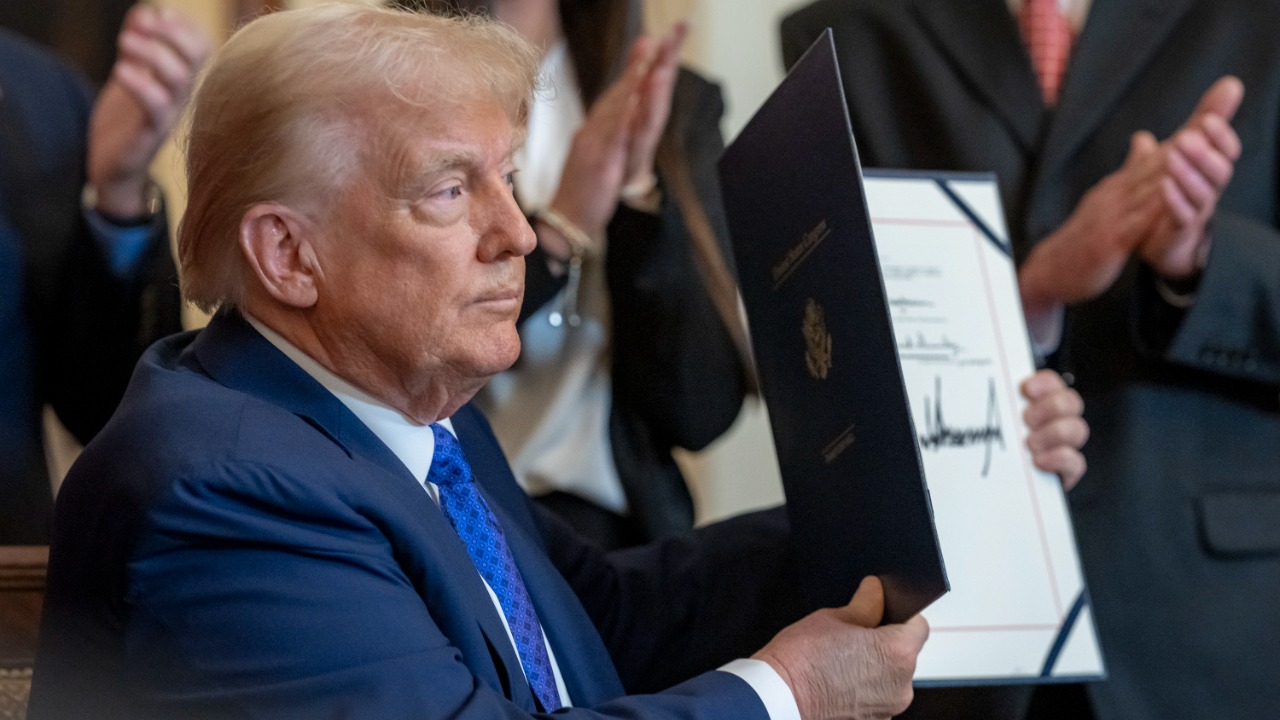
Trump signed Proclamation 11013 on Feb. 23, formally proclaiming Feb. 22, 2026, as National Angel Family Day.
In the text, he said the day should honor “the thousands of American lives stolen from us by criminal illegal aliens and the deadly drugs they bring across our borders,” explicitly linking crimes committed by undocumented immigrants with fentanyl deaths.
The proclamation calls on Americans to gather in places of worship to pay tribute to victims killed by people in the country illegally and to those lost in the fentanyl epidemic. It also urges public officials and community leaders to work to end what the administration described as violence and lawlessness tied to illegal immigration.
That language matters because it does more than announce a day of remembrance. It frames the observance as part of the administration’s case for tougher enforcement, more deportations and a broader crackdown on sanctuary jurisdictions and cross-border trafficking networks.
Why February 22 Was Chosen
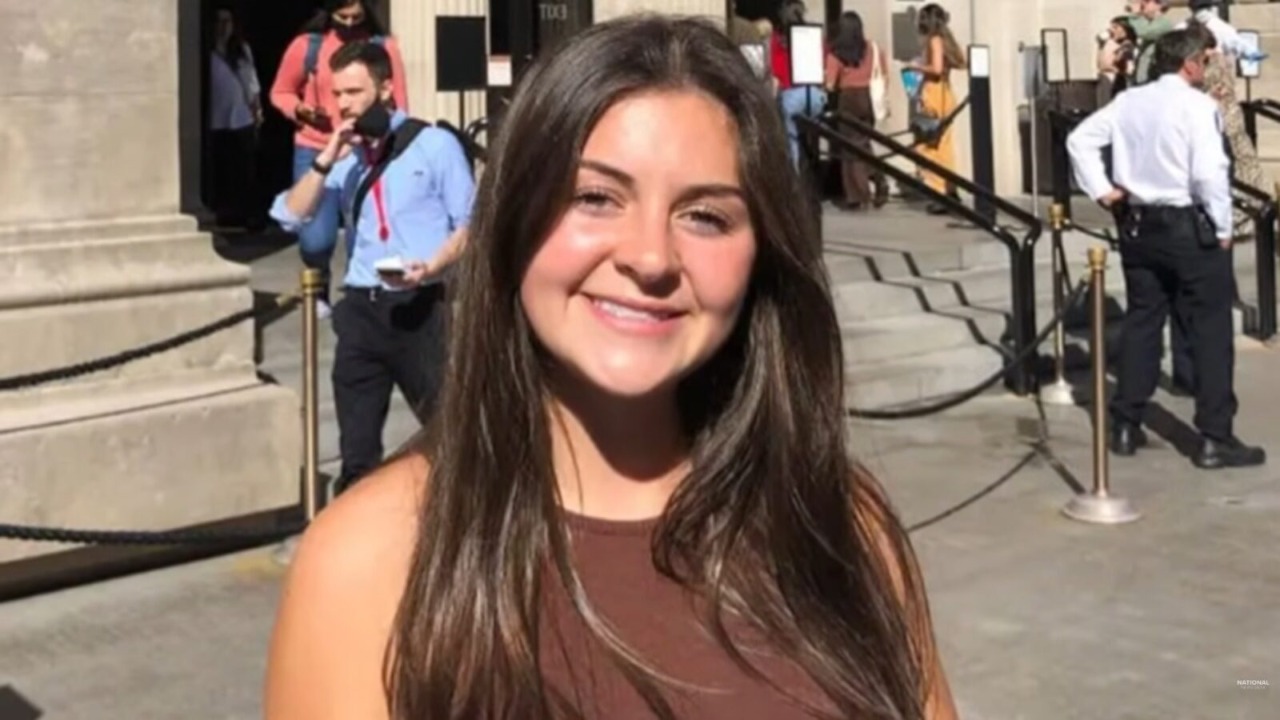
The date was chosen to coincide with the second anniversary of the day Laken Riley disappeared while out for a run near the University of Georgia campus. University police said Riley was reported missing by a friend after she failed to return, and her body was later found in a wooded area near Lake Herrick.
Her killing became one of the most politically potent criminal cases in the immigration debate. Jose Ibarra, a Venezuelan man authorities said had entered the country illegally, was convicted in 2024 and sentenced to life in prison without the possibility of parole.
Trump’s proclamation directly invokes Riley’s case and presents it as an example of a death that could have been prevented. That gives the annual observance a personal anchor rather than an abstract policy rationale. It also ensures that future mentions of Angel Family Day are likely to bring Riley’s name back into the public conversation.
The Fentanyl Link Broadens the Message
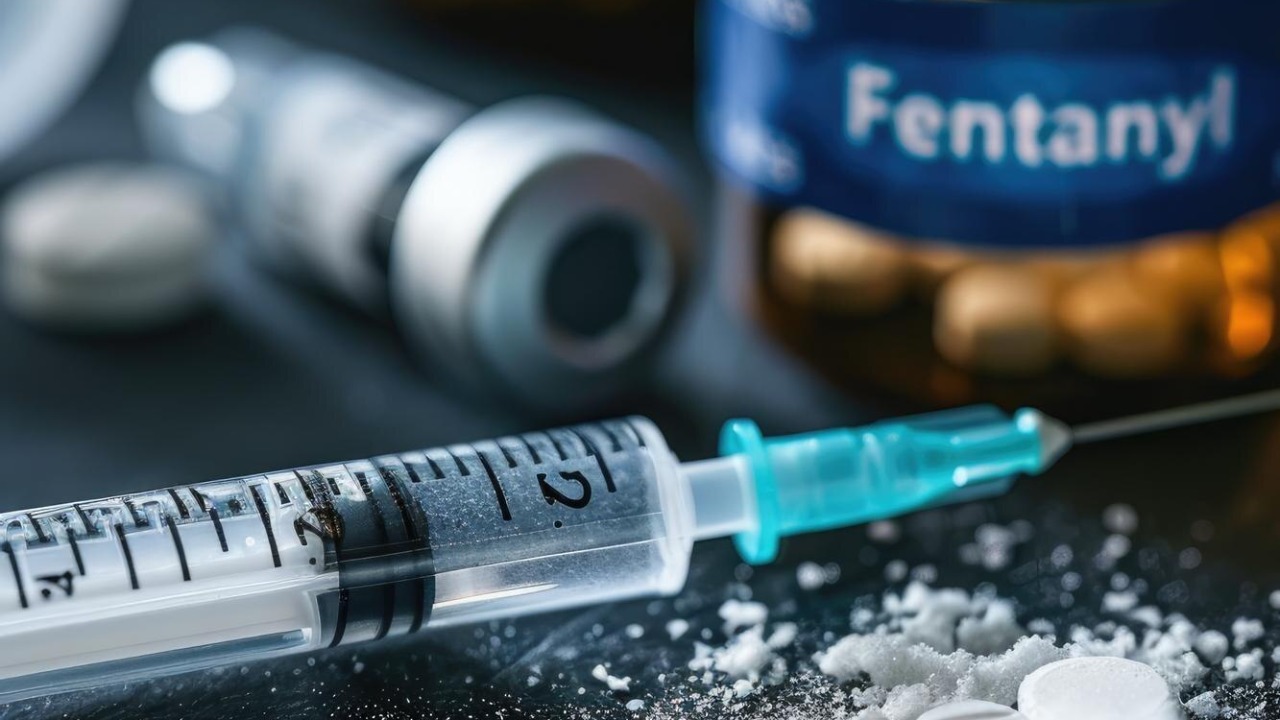
One of the more consequential choices in the proclamation is the decision to pair homicide victims with Americans lost to fentanyl. Those are not the same type of problem, and they do not move through the same policy channels.
Violent crime, immigration enforcement, drug smuggling, addiction treatment and overdose prevention each involve different institutions and different solutions. But politically, the pairing is powerful. It allows the administration to present border policy as a common answer to multiple forms of harm.
In that sense, Angel Family Day is not only about memorializing victims. It is also about reinforcing a broader argument that border security is central to public safety, law enforcement and the overdose crisis alike.
Supporters of that approach are likely to see the proclamation as overdue recognition for families whose losses have shaped public debate. Critics are likely to argue that it compresses complex issues into a single immigration-focused frame.
Riley’s Case is Still Unfolding Beyond the Criminal Verdict
The proclamation also arrives as the fallout from Riley’s death continues outside the criminal case itself.
In late February, The Associated Press reported that Riley’s father filed a wrongful death lawsuit accusing the Georgia university system and others of negligence, adding a civil track to a case that had already become nationally politicized.
That parallel legal battle underscores how Riley’s death now operates on several levels at once. It is a closed murder prosecution, an active civil dispute and a continuing political symbol.
Trump’s proclamation does not address the lawsuit, but it helps cement the case’s place in the federal immigration narrative.
What the Order Actually Changes
As a matter of law, not much changes immediately. Presidential proclamations establishing commemorative days are symbolic. They do not appropriate money, create criminal penalties or expand executive authority on their own.
But symbolism is not meaningless, especially when it comes from the White House and is tied to families whose stories already carry national recognition. By placing National Angel Family Day on the presidential calendar, Donald Trump has created an annual occasion that allies, advocacy groups and sympathetic media outlets can use to renew attention on immigration-related crime and fentanyl deaths.
Whether that observance becomes a durable part of the political calendar or fades after the first cycle of coverage will depend on how aggressively it is adopted outside the executive branch.
For now, the proclamation’s clearest effect is to fuse remembrance with message discipline: a memorial day built to reinforce the administration’s argument that border policy is a matter of American lives.