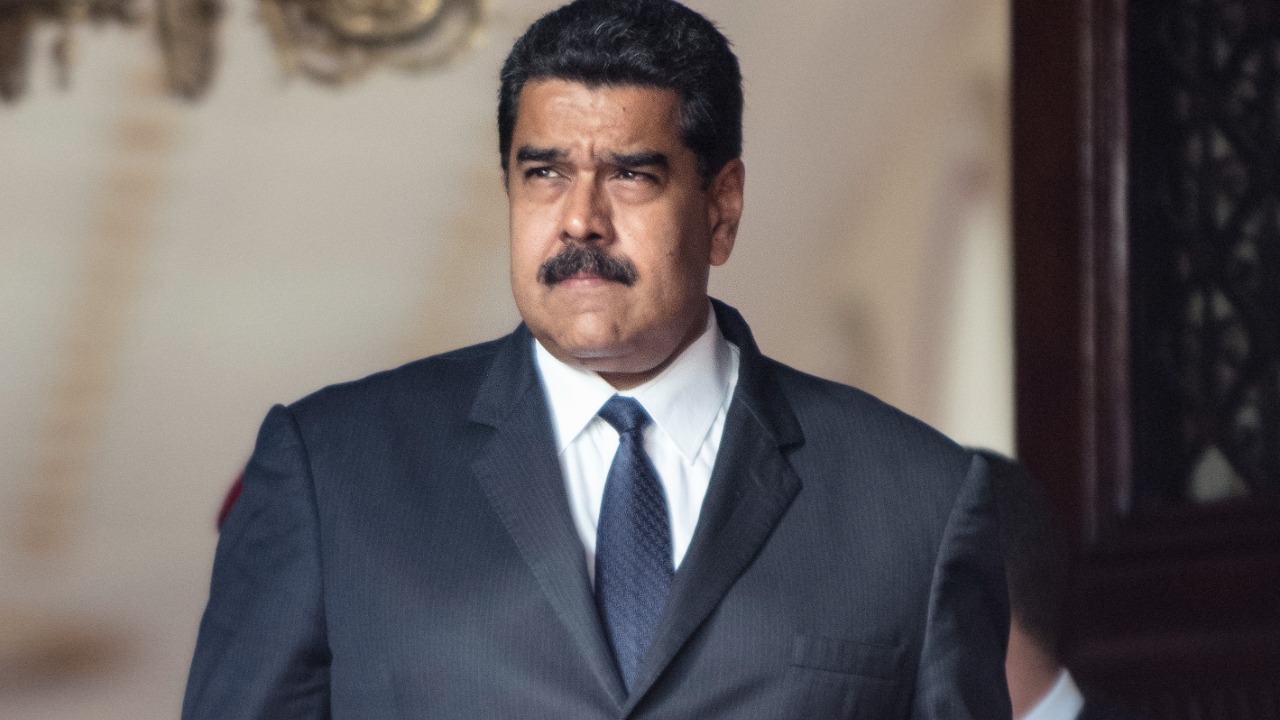
Nicolas Maduro appeared in federal court in Manhattan on Monday and pleaded not guilty to U.S. charges that accuse him of taking part in a narco-terrorism and weapons conspiracy, opening an extraordinary new chapter in a case that had sat on the books for years before his sudden capture in Venezuela. The proceeding turned a long-running U.S. indictment into a live criminal prosecution, placing the former Venezuelan leader before a judge in Lower Manhattan under heavy guard and with the eyes of Washington, Caracas, and much of Latin America fixed on the courtroom.
Prosecutors say Maduro was part of a conspiracy that moved cocaine toward the United States while working with members of Colombia’s FARC guerrilla movement and facilitating access to weapons. Maduro, speaking through an interpreter, pushed back from the start. According to courtroom reporting, he said he had been captured and later described the operation that brought him to New York as a kidnapping, signaling that his defense is likely to challenge not only the allegations themselves but also the legitimacy of how he was brought into U.S. custody.
Not guilty plea in a courtroom unlike any ordinary federal arraignment
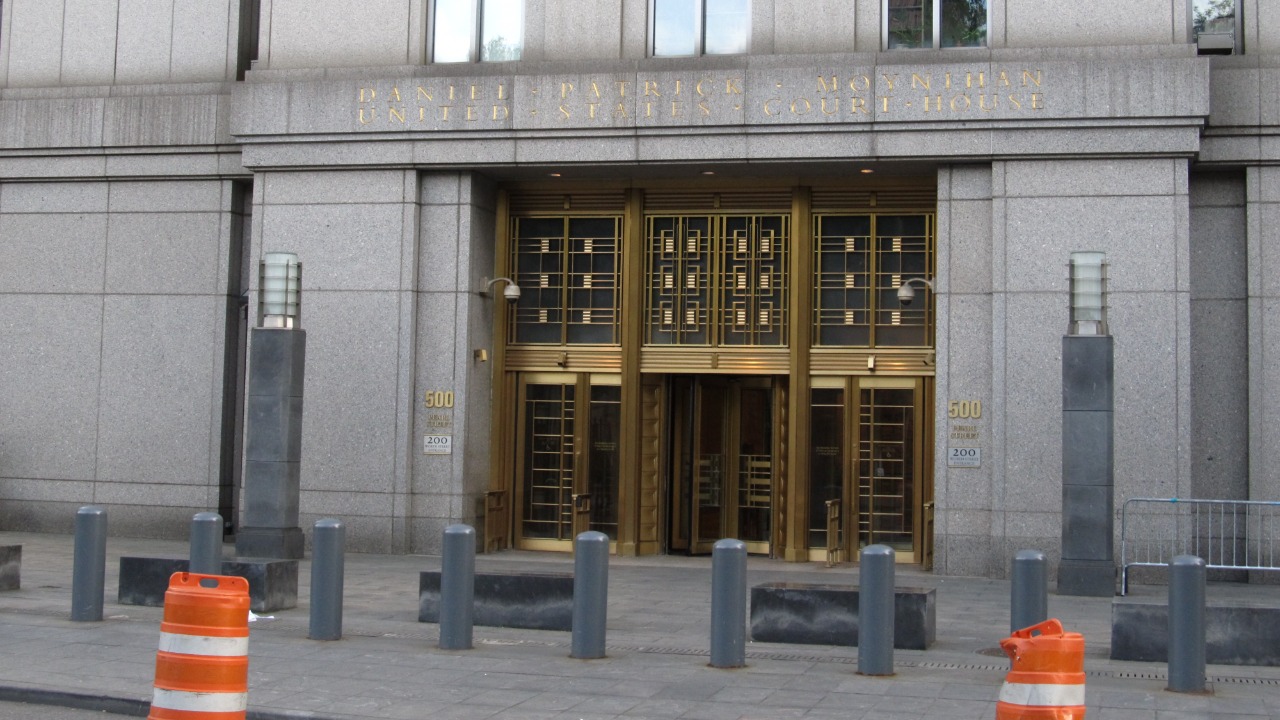
Maduro entered a not guilty plea to four counts that federal prosecutors in the Southern District of New York indictment say include narco-terrorism conspiracy, cocaine importation conspiracy, possession of machine guns and destructive devices, and conspiracy to possess those weapons. The indictment, first unveiled in 2020, alleges that Maduro and several co-defendants helped direct a network that used Venezuelan territory and state protection to move large quantities of cocaine.
What had once existed as a high-profile but largely theoretical U.S. prosecution became something more concrete the moment Maduro stood in a Manhattan courtroom. Reuters reported that he appeared shackled and defiant, while The Associated Press described him as insisting he remained Venezuela’s constitutional president.
What the indictment says prosecutors plan to prove
The government’s theory is unusually sweeping. In the SDNY case papers, prosecutors allege Maduro and other current or former Venezuelan officials worked with FARC figures in a conspiracy that involved large cocaine shipments and weapons. The filing says the alleged arrangement linked narcotics trafficking, armed insurgency, and state-backed protection in a way that made the case far more consequential than an ordinary drug prosecution.
A Reuters overview of the charges noted that U.S. authorities accuse Maduro of helping a cartel structure sometimes referred to by American officials as the Cartel of the Suns. Prosecutors contend that the conspiracy was aimed in part at flooding the United States with cocaine, while the weapons counts add another layer of severity by alleging involvement with machine guns and destructive devices. Each of those accusations remains unproven, but together they give the case the scale of a national security prosecution rather than a conventional narcotics file.
How he ended up in New York
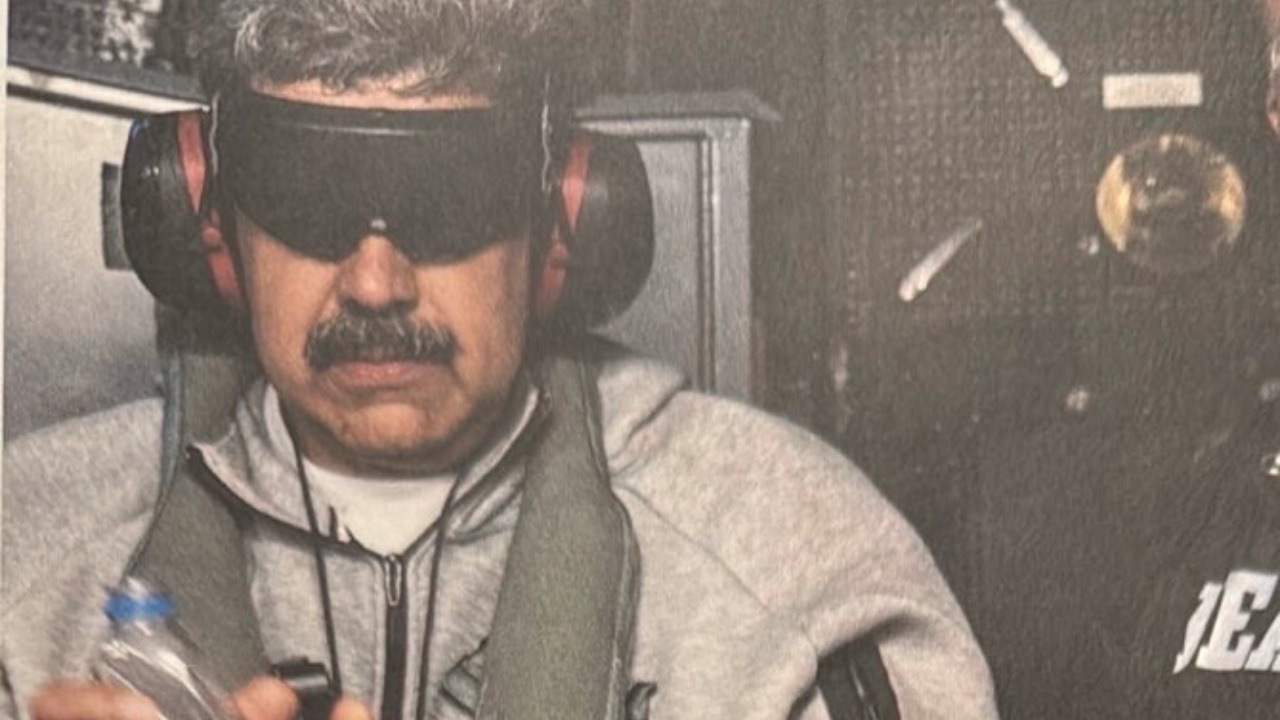
The extraordinary path to Monday’s appearance is one reason the case is likely to remain under intense scrutiny. Reuters reported that Maduro was captured days earlier in a U.S. military operation in Caracas and then transported to New York. The courtroom scene reflected that tension. Security was tight, and the hearing moved through the usual procedural steps of a federal arraignment while carrying none of the feel of an ordinary criminal appearance. CBS News reported that Maduro and his wife, Cilia Flores, were being held at the Metropolitan Detention Center in Brooklyn after their capture. The same report said the next court date was set for March 17, a sign that the case is moving into the slower but more consequential phase in which pretrial motions could shape everything that follows.
A defense likely to focus on capture, legitimacy, and immunity
Maduro’s immediate public posture suggested a defense strategy that will extend well beyond a point-by-point denial of the indictment. By saying he had been captured and by calling the operation a kidnapping, he signaled that his lawyers are likely to argue the prosecution is tainted by the way he was brought to the United States. Time reported that his attorney planned to contest the legality of the operation and to argue that Maduro should be treated as immune from prosecution because he still claims to be Venezuela’s lawful president.
The U.S. government has long refused to recognize Maduro as Venezuela’s legitimate leader, and that position could weaken any attempt to invoke head-of-state immunity in an American courtroom. But even if such a claim ultimately fails, it gives the defense a broader frame for the case: that this is not merely a criminal proceeding about drugs and weapons, but a clash over sovereignty, recognition, and the reach of American law.
Why the case matters beyond one defendant
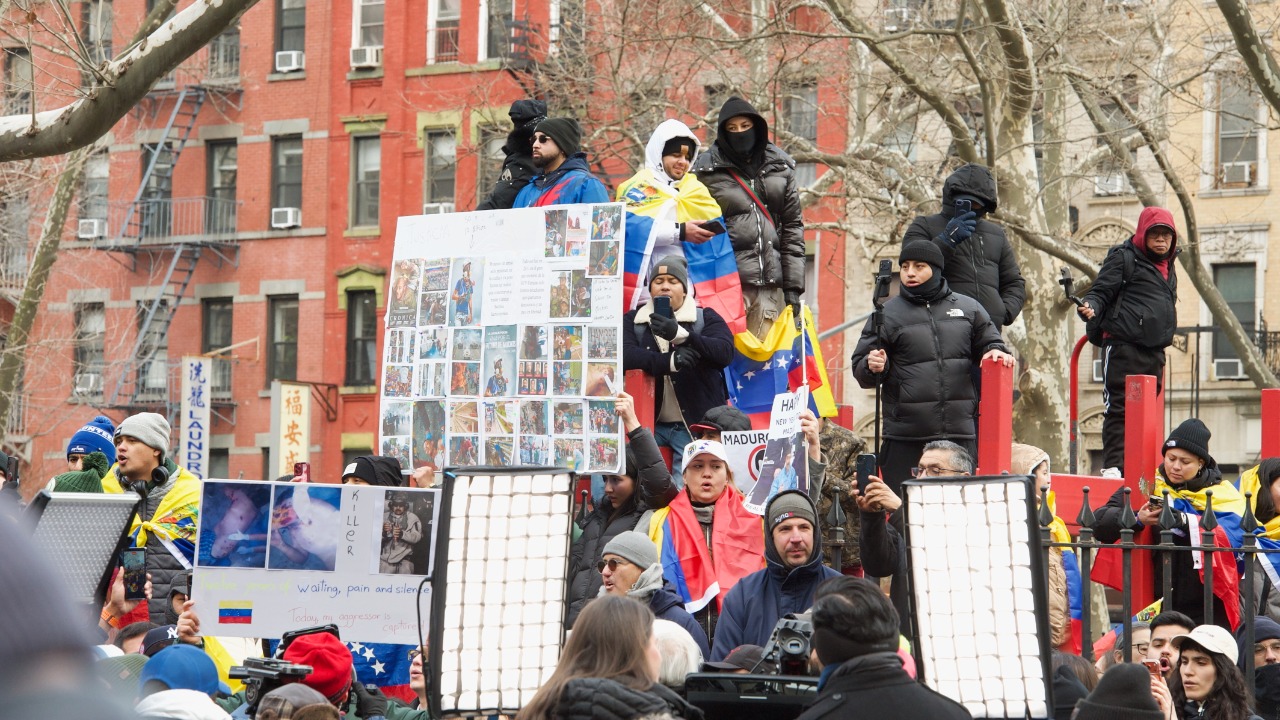
The arraignment landed as a legal event, but it is impossible to separate it from the larger political shock created by Maduro’s removal from Caracas. International reaction was immediate, and major outlets treated the court appearance as a milestone in a crisis that could reshape regional diplomacy. The case now sits at the intersection of counternarcotics policy, military power, and U.S. strategy toward Latin America. For prosecutors, Monday’s hearing was the first concrete step toward proving that a man who once sat at the top of the Venezuelan state can be treated like any other federal defendant if the evidence supports it. For Maduro, it was the opening moment of a campaign to portray himself as a political prisoner delivered into a courtroom by force. For readers trying to understand why the case matters, the answer is straightforward enough: the charges are serious, the arrest was extraordinary, and what happens next could influence how the United States pursues foreign officials accused of shielding drug trafficking networks for years to come.